
About
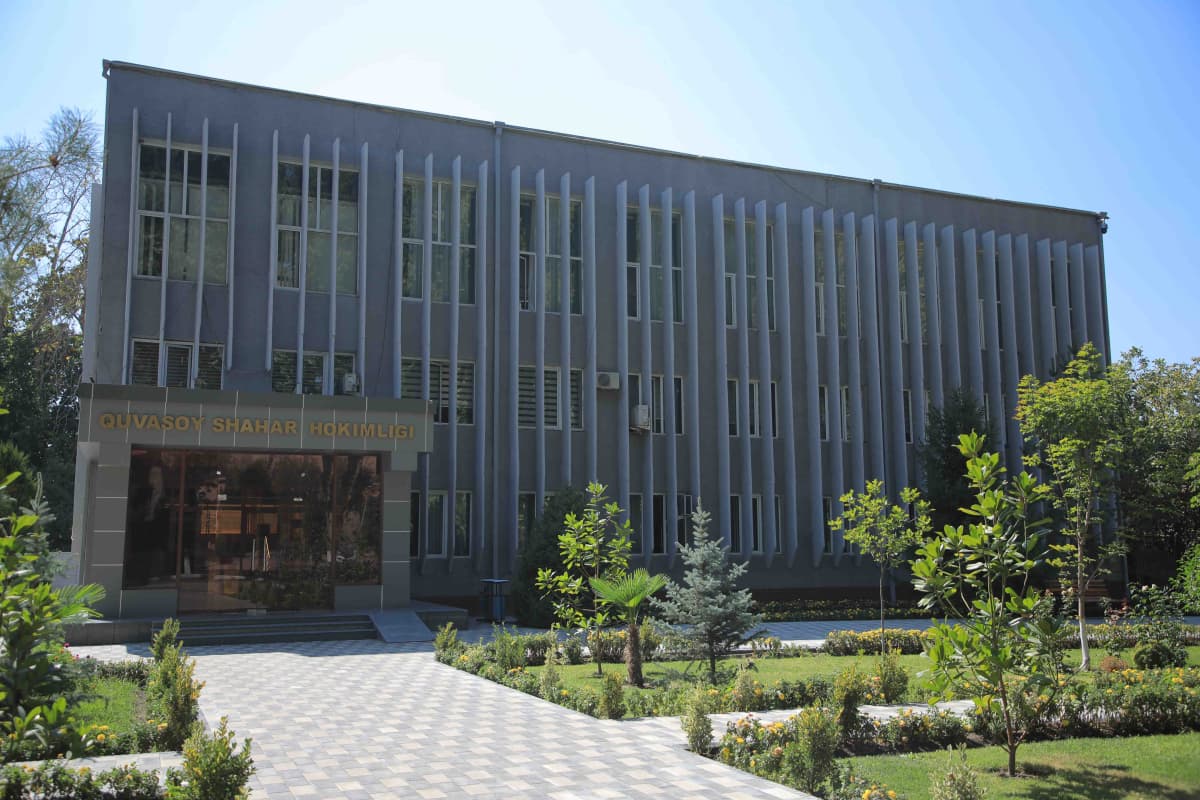
In the Republic of Uzbekistan, state governance is carried out through three types of powers: legislative, executive, and judicial. The legislative power is represented by the Oliy Majlis, which consists of two chambers: the lower and upper houses. The lower house, called the Legislative Chamber, is composed of 150 full-time deputies and is primarily responsible for drafting legislative documents. The upper house, known as the Senate, is composed of 100 senators. Senators, without being released from their main duties, convene periodically to review and approve new legislative acts adopted by the Legislative Chamber.
The executive power includes ministries, agencies, and local administrations of Tashkent city and the regions, all under the leadership of the Cabinet of Ministers. The executive branch is mainly responsible for ensuring the implementation of laws at the local level. The judicial power, led by the Supreme Court of the Republic, encompasses all courts across various sectors. These courts ensure that laws are not violated by either executive authorities or citizens.
City Administration (Hokimiyat)
The city administration is responsible for:
-
The socio-economic development of the city,
-
Implementation of the laws of the Republic of Uzbekistan, decisions of the Oliy Majlis, decrees, decisions, and orders of the President, decisions of the Cabinet of Ministers, resolutions of the City Council of People's Deputies, and the city hokim’s decisions, instructions, and protocols.
The city administration is accountable to the President of the Republic of Uzbekistan, the Cabinet of Ministers, and the Regional Council of People's Deputies.
Execution of City Hokimiyat Powers
The exercise of powers is ensured by:
-
The city hokim (mayor),
-
Deputy hokims,
-
Heads of local government bodies,
-
District and city hokims,
-
Permanent and temporary commissions of the city hokimiyat,
-
Other working bodies established by relevant decisions,
-
The administrative apparatus of the city hokimiyat.
City Hokim’s Authority
The activities of the city hokimiyat are organized by the city hokim, who issues decisions that are binding for all local bodies, enterprises, institutions, officials, and citizens within the scope of authority established by law.
-
Regulatory or significant documents are issued in the form of decisions.
-
Operational or current issues are addressed through orders.
Legal Framework and Governance Apparatus
According to the Presidential Decree No. PQ–3407 dated November 28, 2017, "On Improving the Activities of Local Executive Authorities in Attracting Investments and Introducing Innovations", the structure, tasks, functions, rights, responsibilities, and procedures of the regional hokimiyat’s administrative apparatus are defined.
The administrative apparatus operates in accordance with:
-
The Constitution of the Republic of Uzbekistan,
-
The Law on Local State Government,
-
Other laws of the Republic of Uzbekistan,
-
Resolutions of both chambers of the Oliy Majlis,
-
Decisions, decrees, and orders of the President,
-
Decisions and orders of the Cabinet of Ministers,
-
Other legal regulations,
-
Documents from the Council of People's Deputies and the hokim,
-
And the Regulations on the Administrative Apparatus of the Kuvasoy City Hokimiyat.
Main Responsibilities of the Apparatus
The administrative apparatus:
-
Provides informational-analytical, legal, organizational-technical, and financial-economic support for the hokimiyat’s activities,
-
Prepares meetings of the Council of People's Deputies in accordance with the council’s regulations,
-
Drafts documents for the council and the hokim,
-
Develops and implements practical measures for enforcement and systematically monitors execution.
It also ensures the organizational, technical, and other services required for the activities of the Council of People's Deputies.
Administrative Compliance
The city hokimiyat’s apparatus operates under:
-
The Constitution of Uzbekistan,
-
The Law on Local State Government,
-
Presidential Decree No. PQ–3407 of November 28, 2017,
-
The Cabinet of Ministers' Decision No. 140 of March 29, 1999, which includes the “Instructions on Workflow and Monitoring of Document Execution” in the administrative offices of the Council of Ministers of the Republic of Karakalpakstan and hokimiyats of regions, cities, and districts.
Work related to citizen appeals, applications, and complaints is conducted in accordance with the Law on Citizens’ Appeals of the Republic of Uzbekistan.
📍 Contact Information
-
Address: 150900, Kuvasoy City, "Soy Bo‘yi" Neighborhood (MFY), Mustaqillik Street, Building 45
-
Landmark: Next to Kuvasoy City Department of Culture
-
Phone: (0373) 372-07-71
-
Email: info@quvasoy.uz
-
Working Hours: Monday to Friday, 09:00 – 18:00
-
Lunch Break: 13:00 – 14:00
-
Days Off: Saturday and Sunday