First healthcare programme under the Restitution Agreement between Uzbekistan and Switzerland successfully concluded
2026-06-26 09:55:00 / News
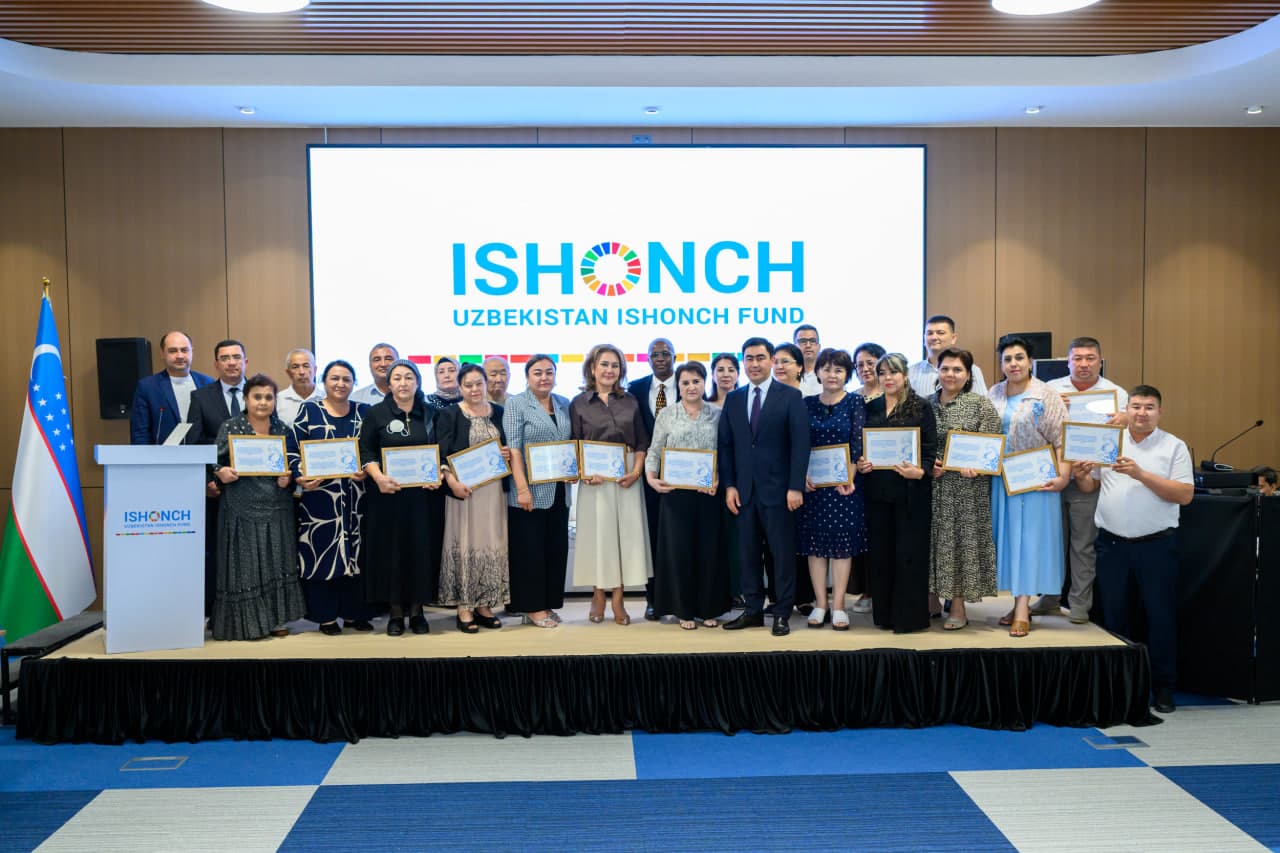
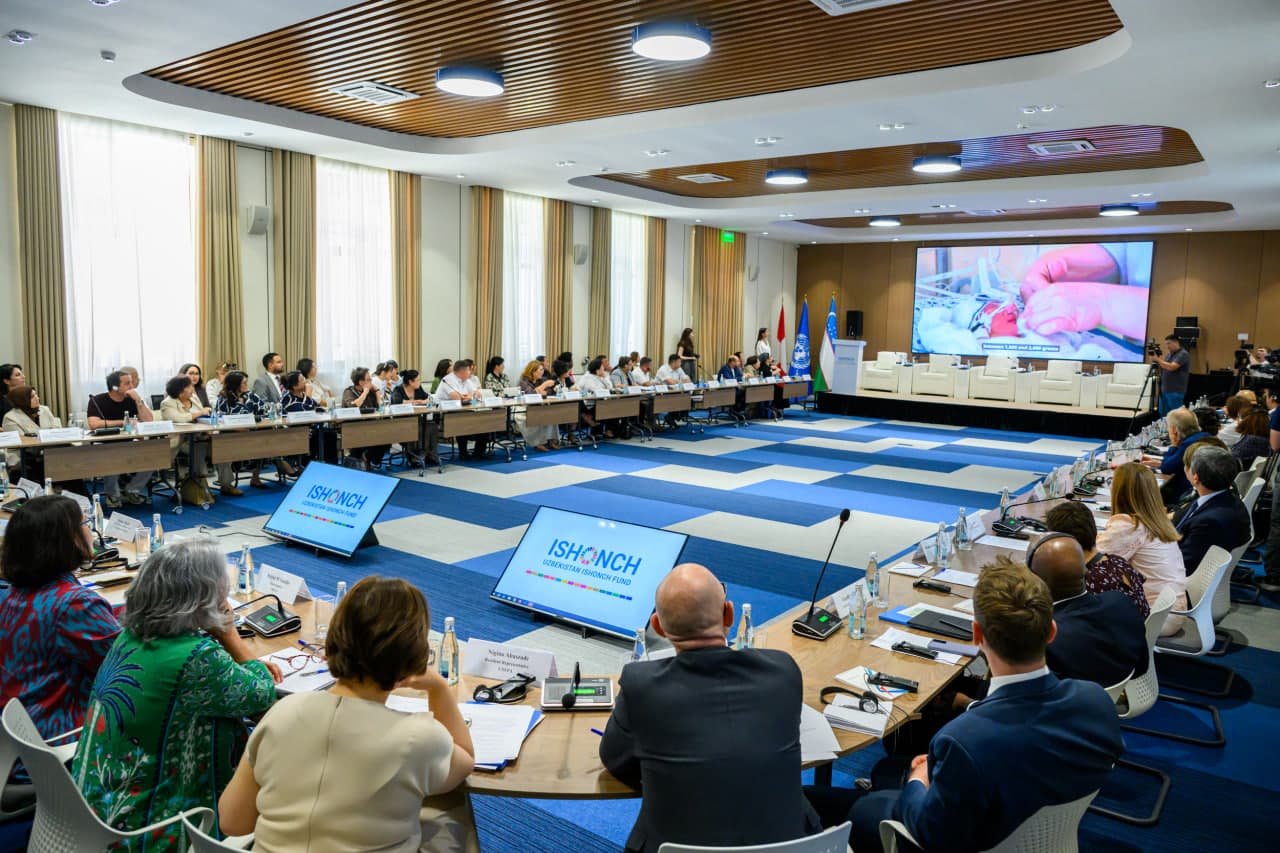
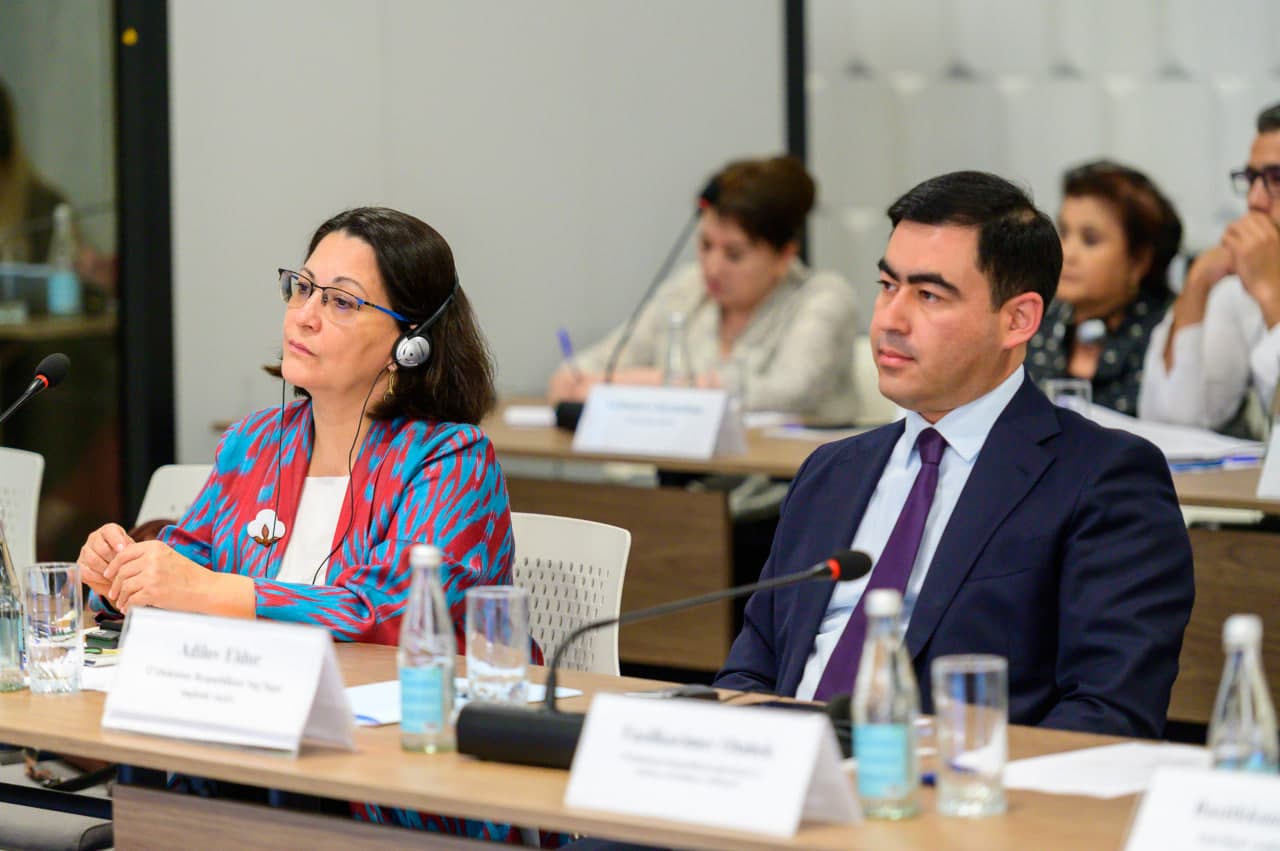
The event, dedicated to the completion of the Joint Programme on Maternal and Perinatal Care, established under the Restitution Agreement between the Government of the Republic of Uzbekistan and the Government of the Swiss Confederation, brought together representatives of the Ministry of Health of the Republic of Uzbekistan, the Ministry of Economy and Finance of the Republic of Uzbekistan, the Embassy of Switzerland in Uzbekistan, United Nations agencies, and international partner organizations to review the programme's outcomes and achievements.
The programme was the first project financed by the Ishonch Fund and was implemented jointly by UNICEF, UNFPA, and the World Health Organization (WHO). A total of US$43.5 million was invested to strengthen the maternal and child healthcare system, improve the quality of perinatal services, and enhance the technical capacity of healthcare institutions across the country.
As part of the programme, 231 perinatal healthcare facilities nationwide were equipped with modern medical equipment. In particular, approximately US$31 million was allocated for the procurement of advanced incubators, respiratory support systems, anaesthesia equipment, and other life-saving medical devices, which were delivered to perinatal centres throughout Uzbekistan.
In addition, more than 80,000 healthcare professionals received specialized training in modern perinatal care, the management of high-risk pregnancies, care for preterm newborns, and laboratory diagnostics.
The programme also supported the development and revision of 49 clinical protocols on maternal and newborn healthcare.
Furthermore, nationwide public awareness campaigns promoting the importance of regular antenatal care reached nearly 20 million people, while improved maternal and perinatal healthcare services benefited almost 4 million citizens.
According to monitoring results, the proportion of preventable maternal deaths declined from 77.3 per cent in 2022 to 62.8 per cent, representing a reduction of 14.5 percentage points. Survival rates among newborns, particularly those with extremely low birth weight, improved by approximately 13 per cent since the programme began.
Alongside workforce development, the programme strengthened laboratory capacity, introduced anti-corruption measures within programme implementation, and supported systematic efforts to ensure comprehensive antenatal care coverage for pregnant women.
Speaking at the event, Regina Castillo, UNICEF Representative in Uzbekistan, emphasized that the programme demonstrates the tangible results of the strong partnership between the Government of Uzbekistan, the Government of Switzerland, civil society, and United Nations agencies. She noted that the introduction of modern medical equipment and advanced clinical practices in hundreds of perinatal facilities has significantly expanded access to high-quality maternal and newborn healthcare services across the country.
The Ambassador Extraordinary and Plenipotentiary of Switzerland to Uzbekistan, Konstantin Obolensky, highlighted that the restitution of illicitly acquired assets and their transparent and accountable use remain among Switzerland's key priorities. He noted that the Ishonch Fund, established through close cooperation between the Government of Uzbekistan and the United Nations, serves as a practical example of how returned assets can directly improve people's quality of life.
Speaking at the event, Otabek Fazilkarimov, Deputy Minister of Economy and Finance of the Republic of Uzbekistan, emphasized that the restitution of illicitly acquired assets and their effective use play an important role in developing human capital and supporting social sector reforms.
As highlighted during the event, programmes financed through the Ishonch Fund are channeling returned assets into priority sectors such as healthcare and education, contributing directly to improving the quality of life of the population. The results of the programme also demonstrate the practical impact of effective cooperation between government institutions, international partners, and civil society in ensuring that returned assets are used for the benefit of the people of Uzbekistan.
The Ishonch Fund was established under the Restitution Agreement between the Governments of Uzbekistan and Switzerland to ensure that returned assets are managed transparently, accountably, and effectively for the benefit of the people of Uzbekistan. The Fund finances programmes implemented by United Nations agencies in support of national development priorities and operates under a governance mechanism comprising representatives of Uzbekistan, Switzerland, the United Nations, and civil society.
Going forward, programmes financed through the Ishonch Fund will continue to support new initiatives in the healthcare and education sectors, enhance the quality of public services, and contribute to Uzbekistan's sustainable development objectives.