
Fire Safety in Industrial Enterprises: Analysis of Responsibility and Preventive Measures
2026-03-10 09:30:00 / News
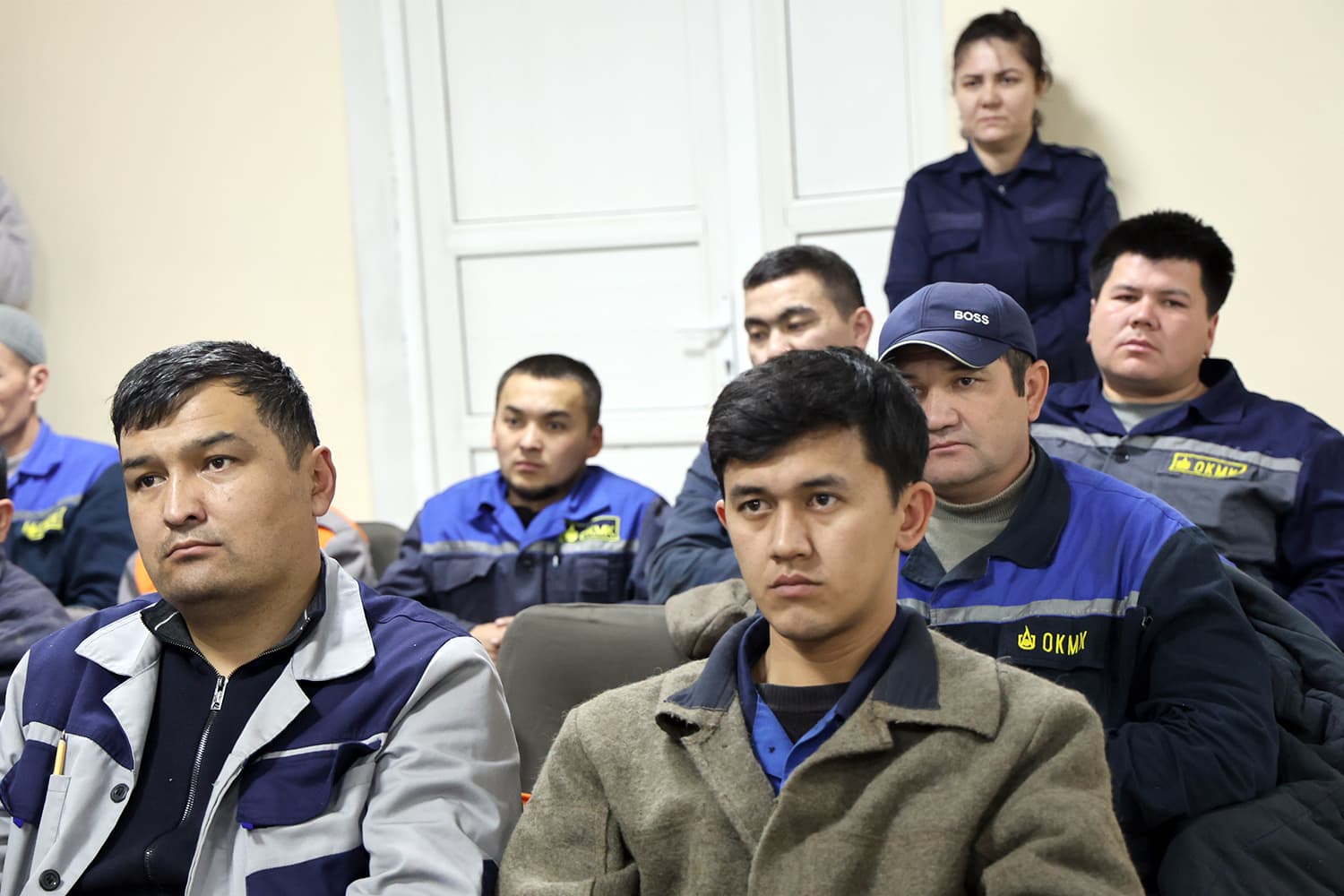


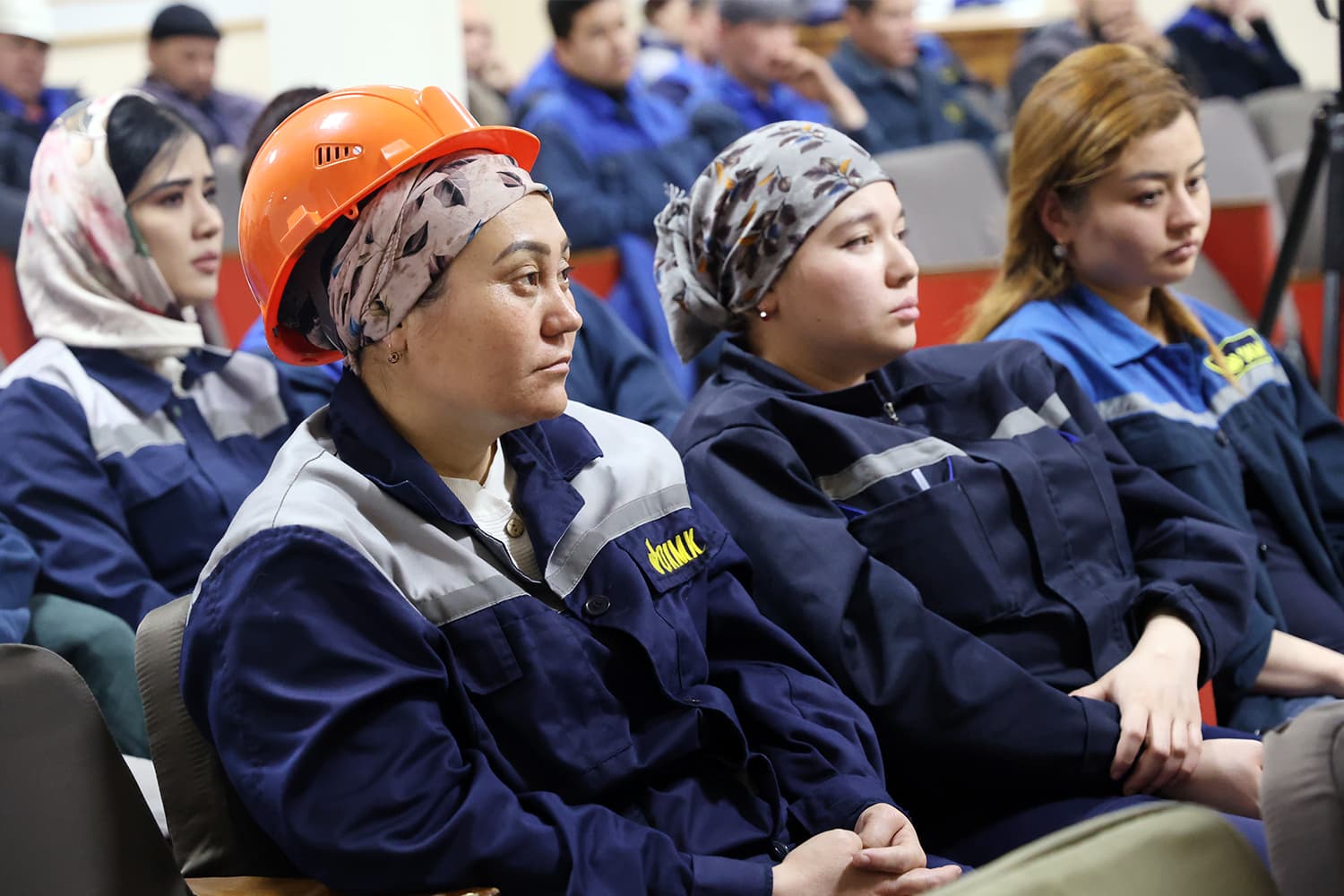
Industry specialists, engineers, and representatives of supervisory bodies participated in the event titled "Emergency Prevention and Fire Safety Provision — A Primary Task." The seminar served to develop not only theoretical knowledge but also skills for managing real-world risks at industrial sites.
Strategic Approach and Participants
The seminar was attended by A. Akhrorov, Head of the Fire Safety Organization Department at the complex's facilities, representatives of the Civil Protection Squad, and the management of the plant. The main focus was on enhancing the ability of management personnel and volunteer fire brigade members to make rapid and correct decisions under extreme conditions.
Industrial fire safety systems are organized based on four priority areas:
-
Regular Prevention: Technical inspection of electrical networks and equipment, and verification of the functionality of primary fire-extinguishing equipment.
-
Training and Drills: Familiarizing employees with evacuation plans and building practical response skills.
-
Technical Discipline: Strict compliance with established safety standards in production processes.
-
Innovative Solutions: Implementation of modern early warning and automatic alarm systems.
Risk Factors and Monitoring Results
According to analysis, the majority of emergencies at industrial sites are related to human factors and technical malfunctions. Specialists classified the main factors causing fires as follows:
-
Improper use of electrical equipment;
-
Carelessness when working with open flames;
-
Leaving gas equipment unattended;
-
Violations of safety regulations.
As part of the seminar, the readiness level of volunteer fire brigade members for fire mitigation and rescue operations was re-evaluated. Strengthening monitoring mechanisms in the industrial safety system was assessed as a guarantee for preventing economic loss and ensuring the integrity of material assets.
Analytical Conclusion and Future Tasks
The results of the event demonstrate that fostering a safety culture should not be limited to technical measures alone. The personal responsibility of every worker and manager is the foundation of industrial stability. Strengthening the oversight system serves not only to reduce fire incidents but also to increase production efficiency.
In the future, there are plans to expand digital monitoring systems across the complex's facilities and organize continuous training courses for employees. Ultimately, adhering to safety rules means protecting company property and, most importantly, human lives.