Mining and Industrial Safety: Stages of Transparency and Digitalization of Public Services
2026-03-05 12:10:00 / News
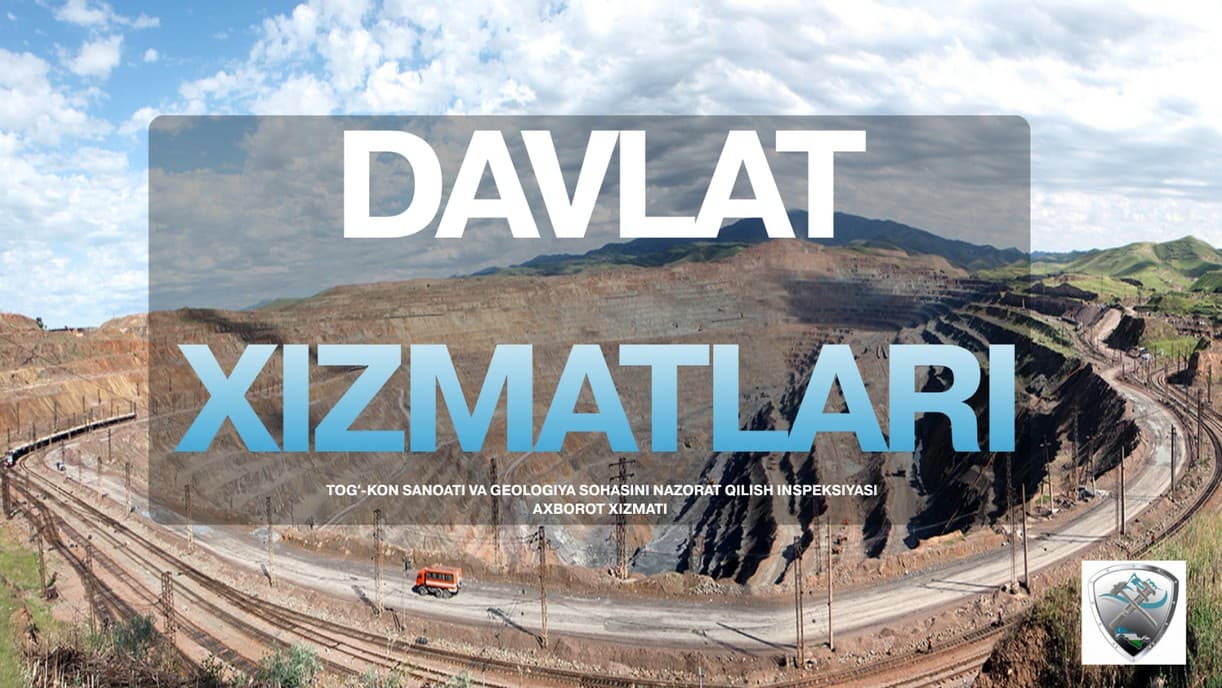
The 20 types of core public services provided by the Inspectorate cover strategic areas such as mining operations, handling explosive materials, and the operation of hazardous production facilities. The transition of most of these services to an electronic format allows entrepreneurs to significantly save time and resources.
Industrial Safety and Licensing Processes
Compliance with safety requirements in the mining industry is a top priority. Therefore, the procedure for issuing licenses for highly responsible activities such as the creation, production, transportation, and storage of explosive and toxic substances is strictly regulated. Currently, this service is provided to legal entities entirely in electronic form on a paid basis.
The process of obtaining permits for the installation, repair, and commissioning of new explosive technological processes and equipment, including amusement park rides, has also been digitalized. These measures are aimed at preventing accidents that may arise due to technical malfunctions.
Regulation of Mining Operations and Subsoil Use
To control the rational use of subsoil resources, several free services have been introduced in the sector. In particular:
-
Approval of mining development plans (electronic);
-
Issuance of mining allotment acts for purposes related and unrelated to mineral extraction (traditional);
-
Issuance of conclusions on the write-off of mineral reserves extracted or lost during the mining process from the subsoil user's account.
It is worth noting that the approval of special projects for the liquidation and reclamation of mining enterprises or parts thereof is carried out in a traditional form on a paid basis. This process is crucial for ensuring environmental protection and guaranteeing the safe use of land plots in the future.
Control and Technical Conformity Assessment
The Inspectorate regularly inspects the material and technical base of high-risk facilities and the level of staff knowledge. The issuance of conclusions on the compliance of personnel with industrial safety requirements in electronic form ensures the efficiency of the system.
Conclusions on the transfer of oil and gas wells during operation, liquidation, and conservation, as well as the compliance of oil depot facilities with safety requirements, are also an integral part of state control. These documents serve to minimize the risk of industrial disasters at production sites.
Analytical Conclusion
The digitalization of public services and the clear classification of their types contribute to improving the investment climate in the mining, metallurgical, and industrial sectors. The transition of authorization procedures to a free and electronic format (for example, approval of mining development plans or certain permits for blasting operations) reduces the financial burden on business entities.
At the same time, maintaining strict control over explosive substances and high-risk equipment reflects the state's responsibility for the safety of its citizens. Systematic monitoring and the provision of transparent services will serve to enhance the culture of industrial safety and strengthen legality in the field of subsoil use in the future.