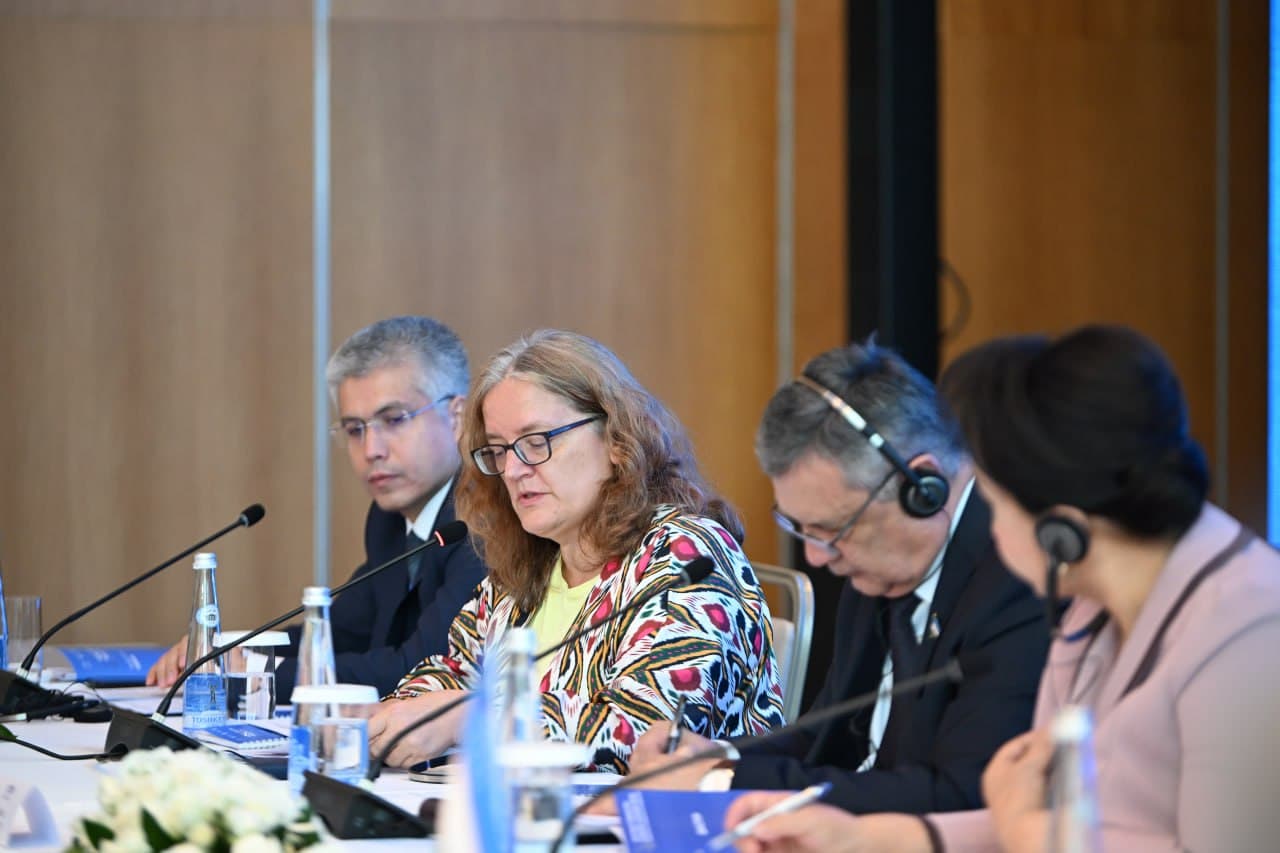
The international scientific and practical conference titled “Independent Uzbekistan — 35 Years of Development: Reforms, Results and Prospects” is currently underway.
2026-08-14 14:00:00 / News of ministry
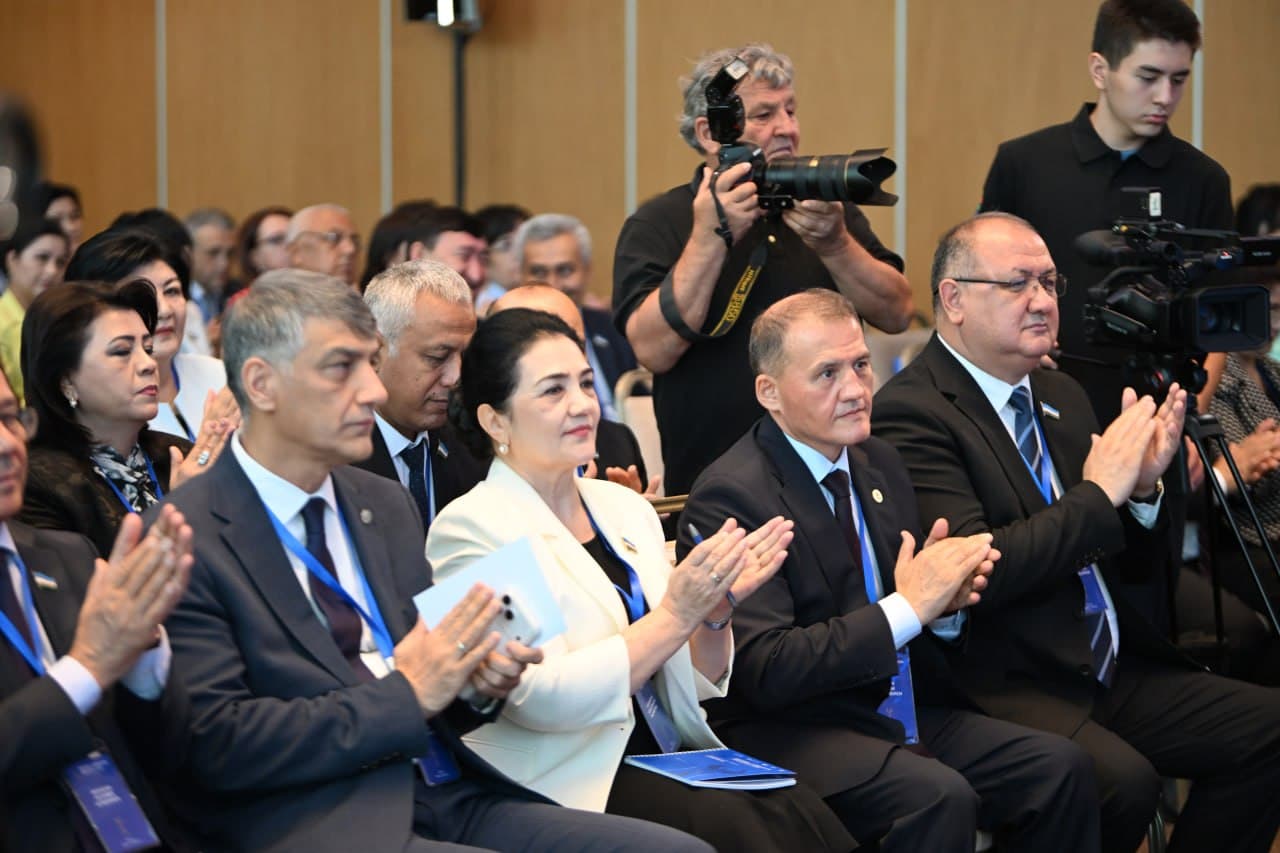
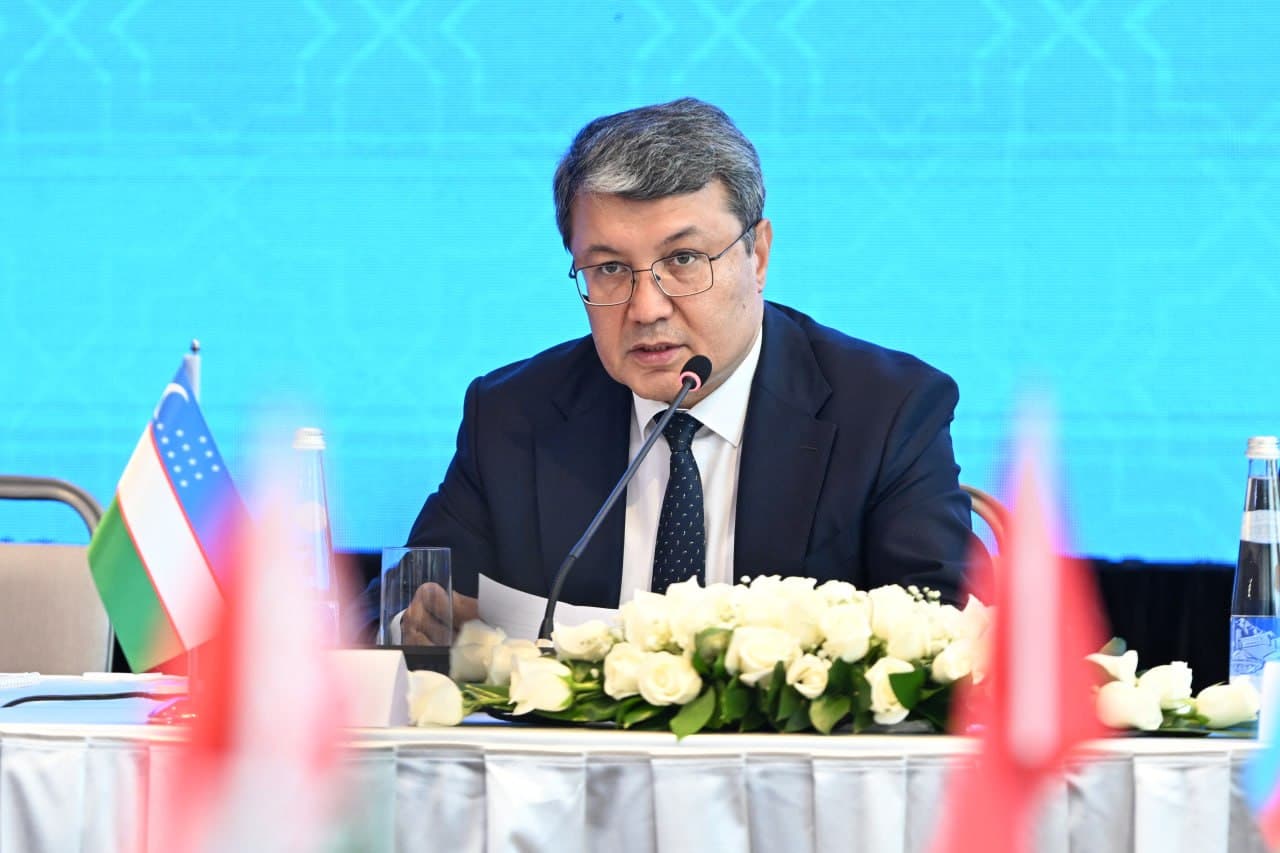
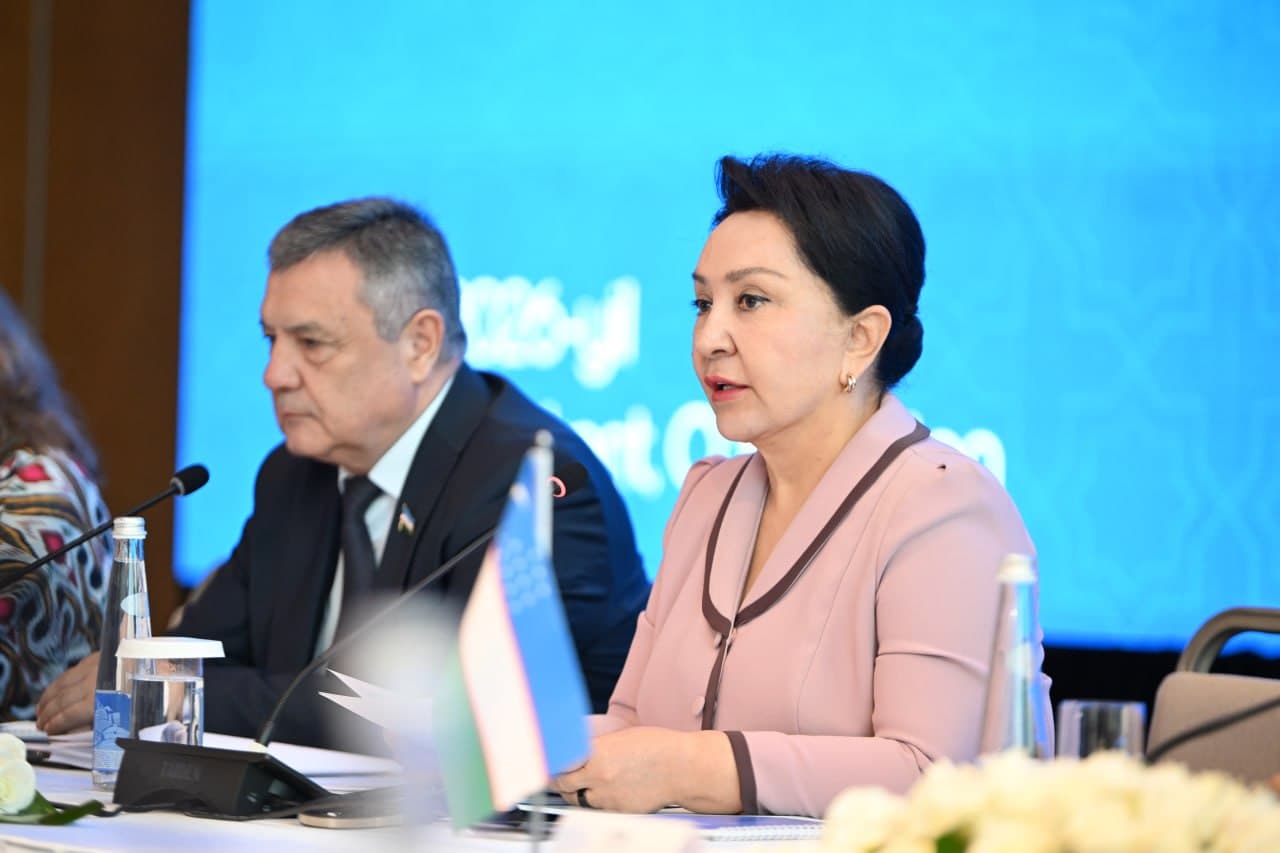
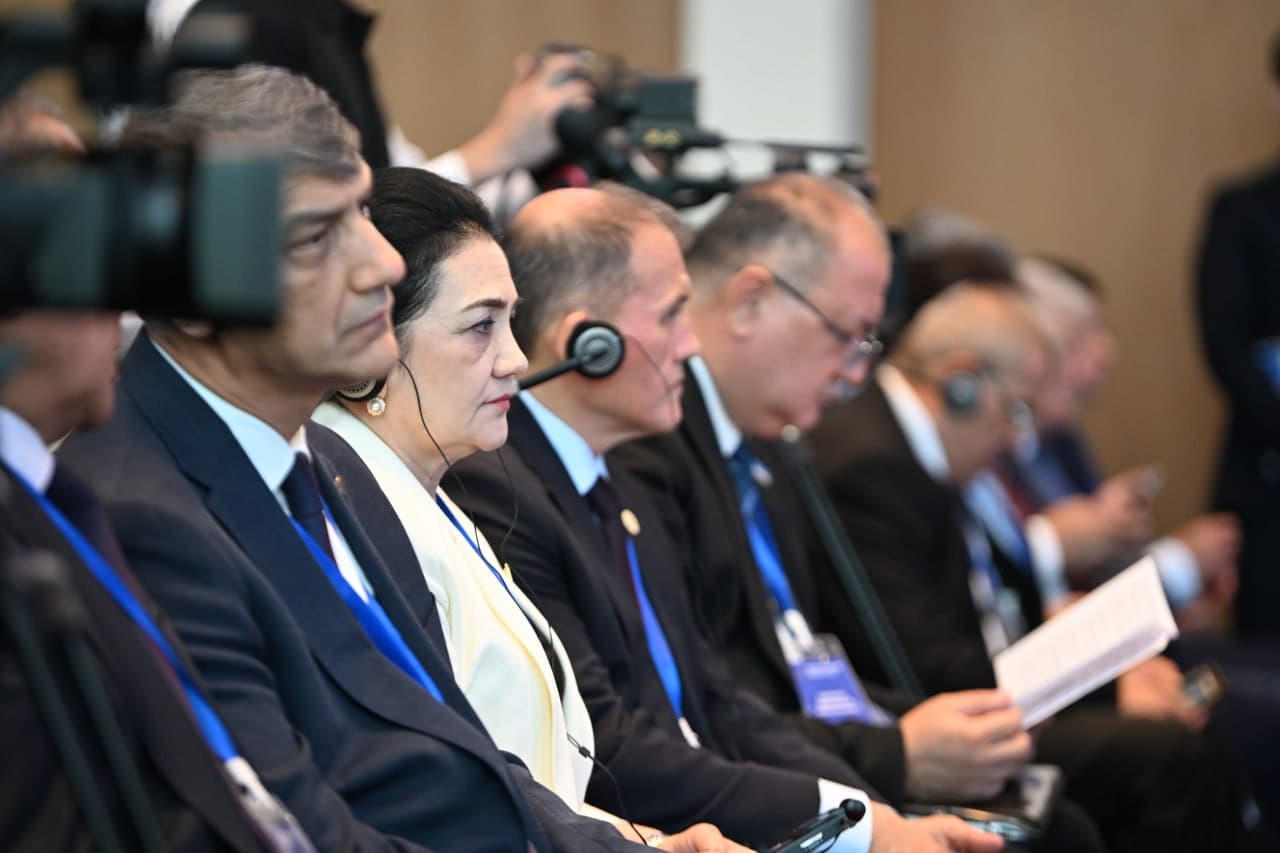
During the conference, Minister of Justice Akbar Tashkulov delivered a speech highlighting the reforms implemented in Uzbekistan’s legal system during the years of independence, the results achieved, and the key priorities for the future.
Key points from the Minister of Justice’s speech:
Uzbekistan’s 35-year path of development since independence has been a period of strengthening state sovereignty, building a national legal system, and placing human dignity, rights and freedoms at the heart of state policy.
Over the past decade, the concept of the rule of law has evolved from a theoretical principle into an important benchmark for everyday public administration.
The new edition of the Constitution, adopted through a nationwide referendum in 2023, firmly established Uzbekistan as a state governed by the rule of law, as well as a social and secular state.
The direct applicability of human rights and freedoms and the principle that contradictions and ambiguities in legislation must be interpreted in favor of the individual have been enshrined as constitutional principles.
Legislation and practice within the judicial and legal system have been fundamentally reformed to guarantee individual rights, prevent torture, eliminate forced labor, and protect the rights of women and children.
The openness of the law-making process has been enhanced through the widespread introduction of mechanisms for public consultation on draft legislation, regulatory impact assessment, and anti-corruption review.
The main task today is not to increase the number of laws, but to ensure their quality, stability and effective implementation. Efforts are continuing to abolish outdated and excessive requirements and simplify legal procedures for citizens and businesses.
Most public services have been transferred to electronic platforms, while the practice of requiring citizens to resubmit information already available to government authorities is being phased out.
In the first half of 2026, more than 460,000 notarial acts were completed remotely. Ninety percent of public services are now provided online.
At the next stage, priorities will include expanding pre-trial dispute resolution, mediation and other alternative dispute resolution mechanisms, as well as improving the quality of professional legal assistance.
Artificial intelligence, the digital economy and cross-border relations are creating new challenges for the legal system. Uzbekistan aims to build a new-generation legal ecosystem by harnessing the potential of artificial intelligence and LegalTech.
“Our goal is to build a legal system in which the law is not a complex obstacle for individuals, but a reliable instrument that protects their rights and interests.”