Expanded Board Meeting Held at the Ministry of Justice
2026-07-31 18:00:00 / News of ministry
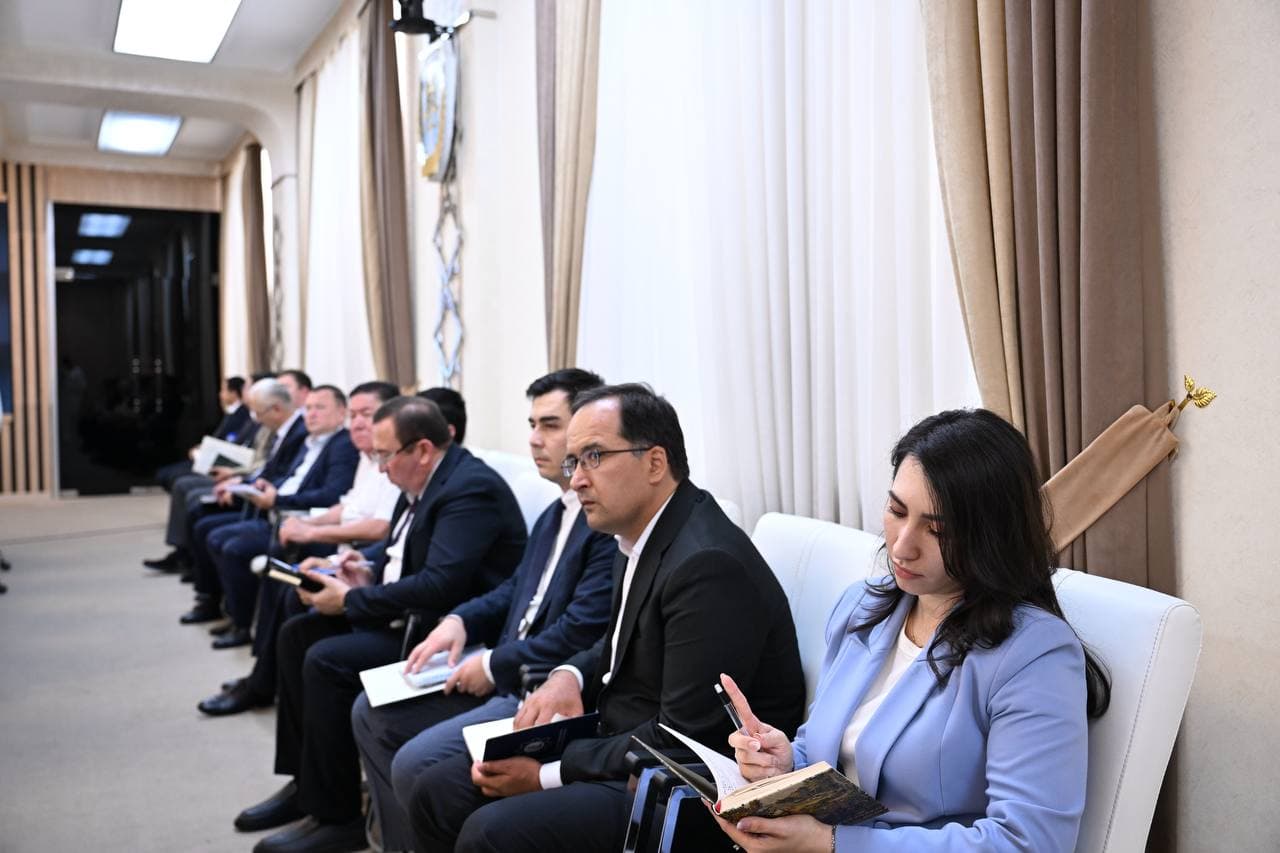
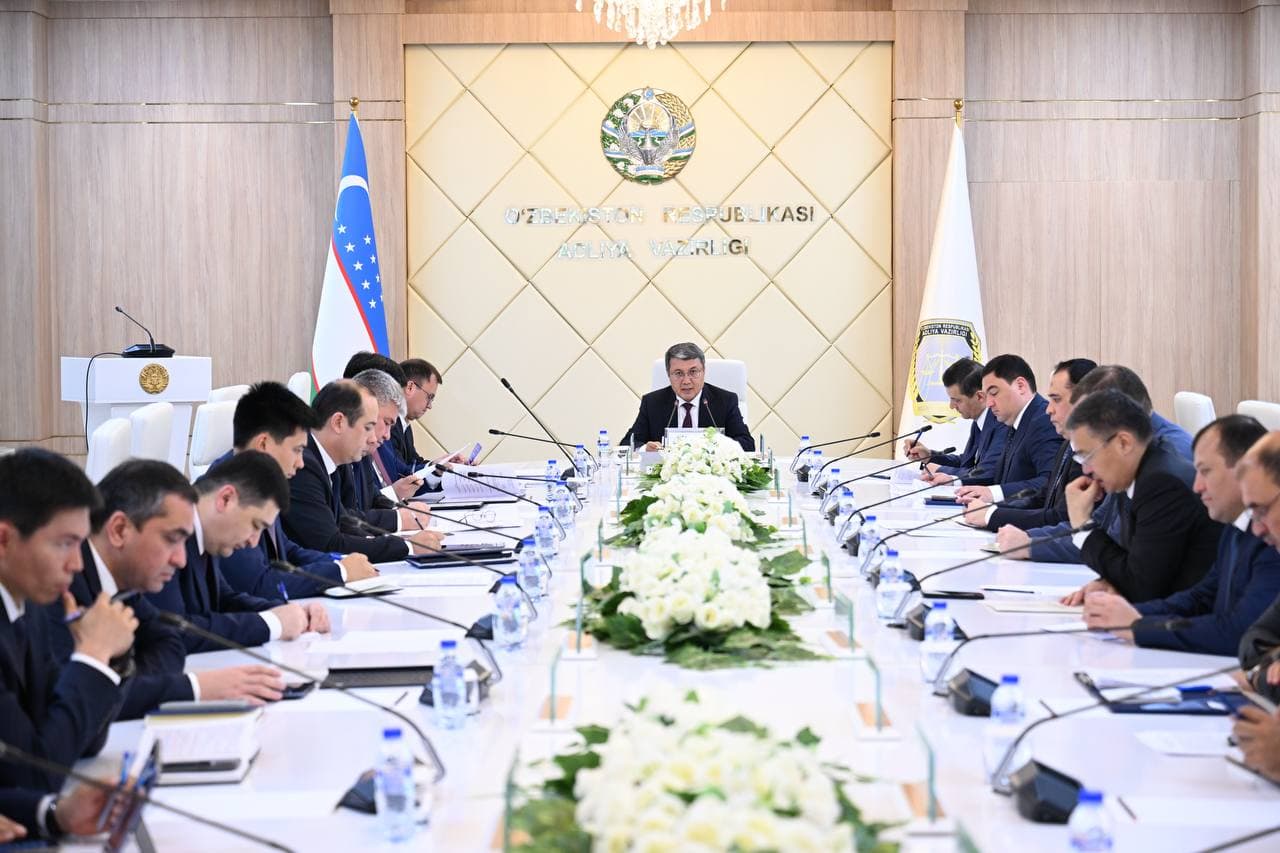
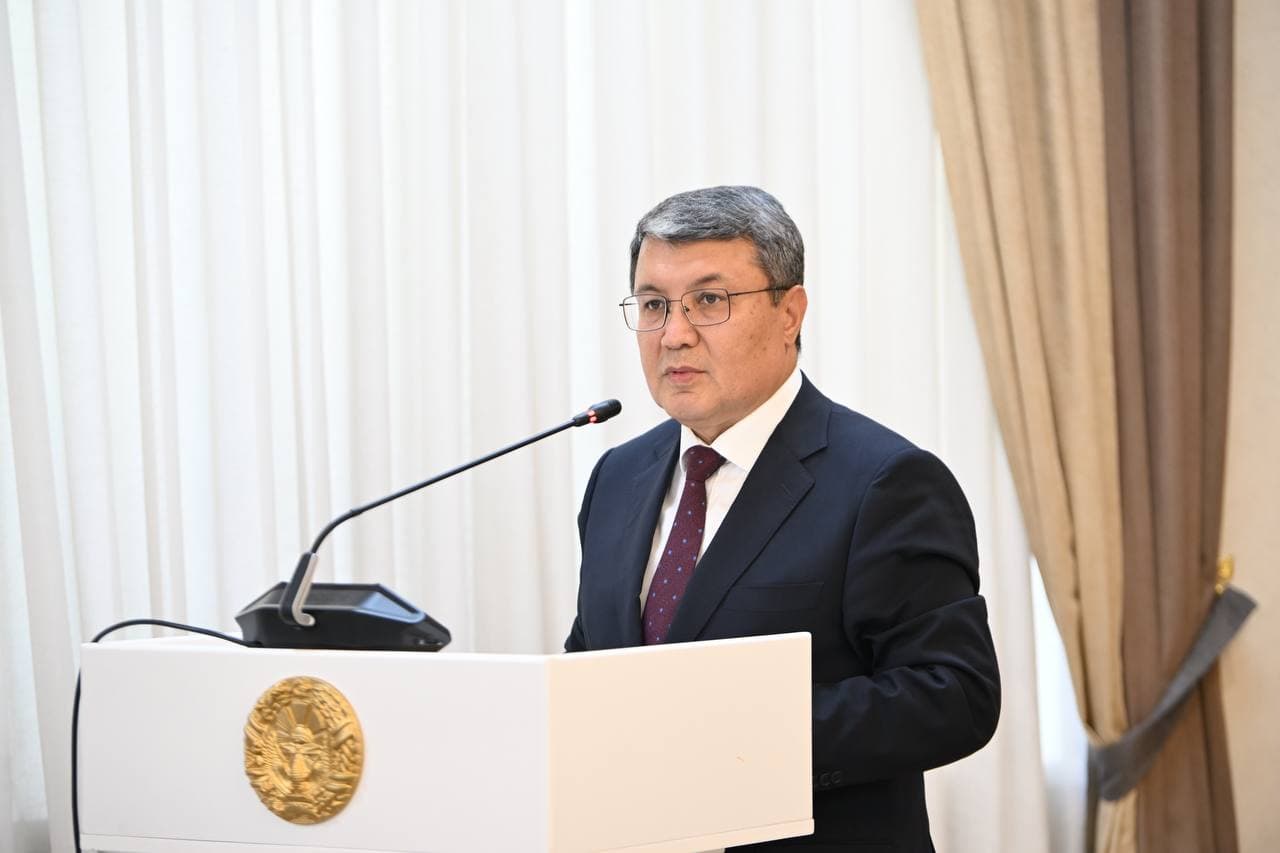
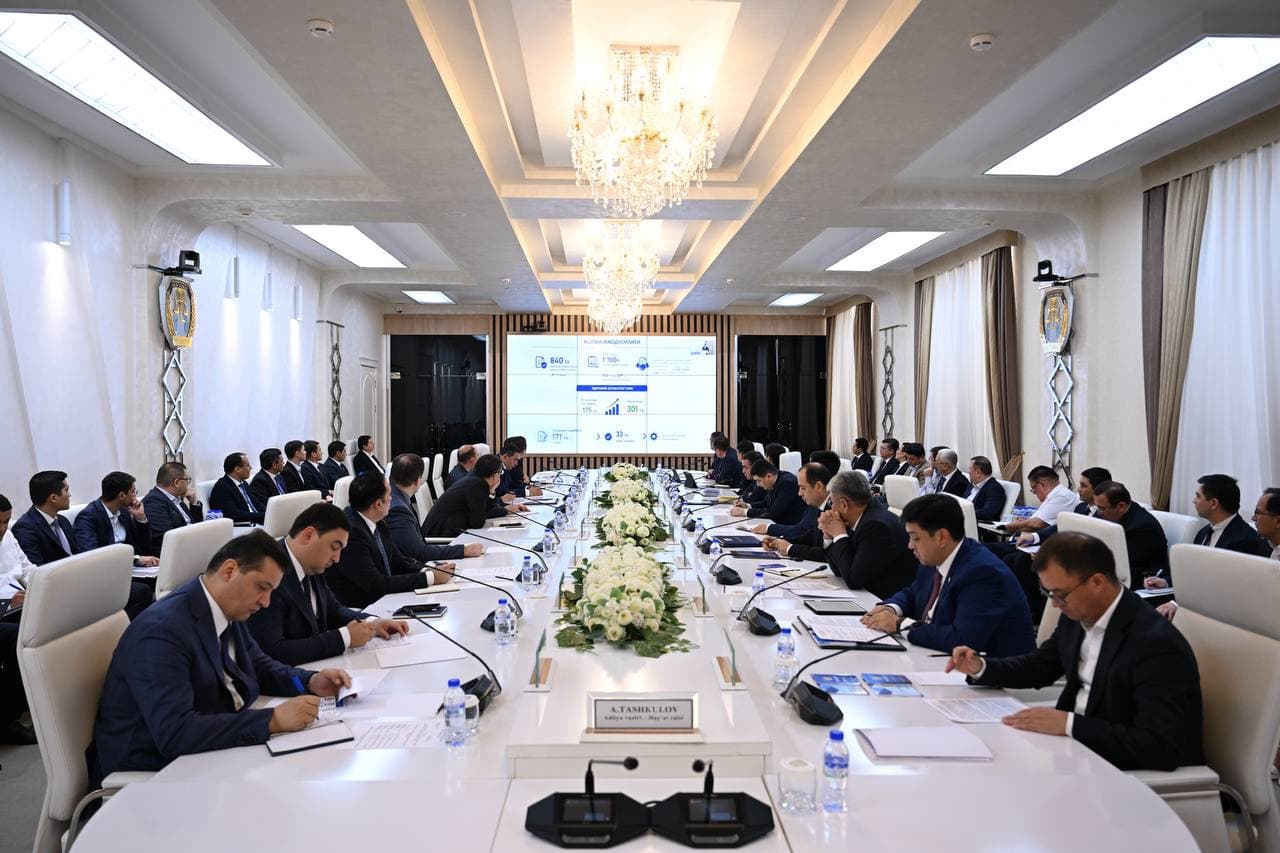
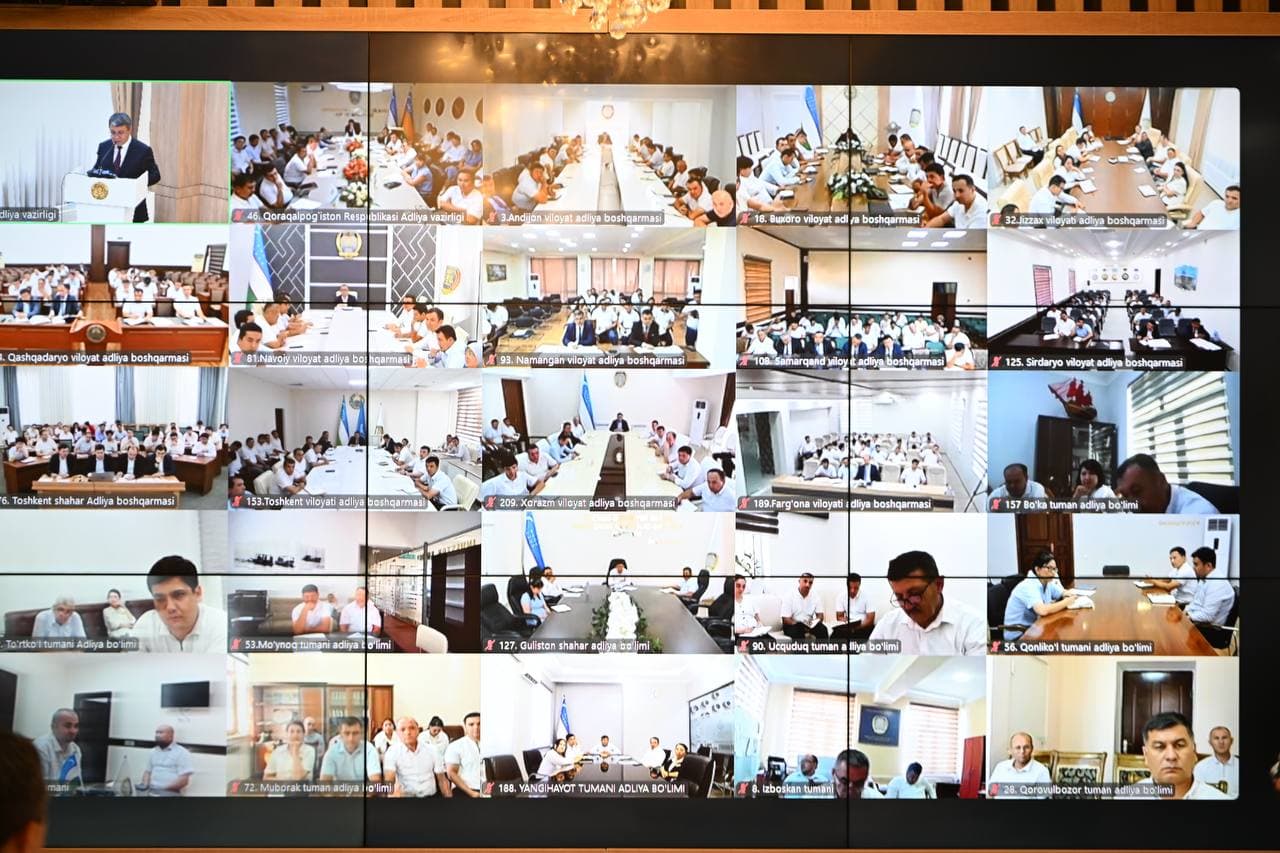
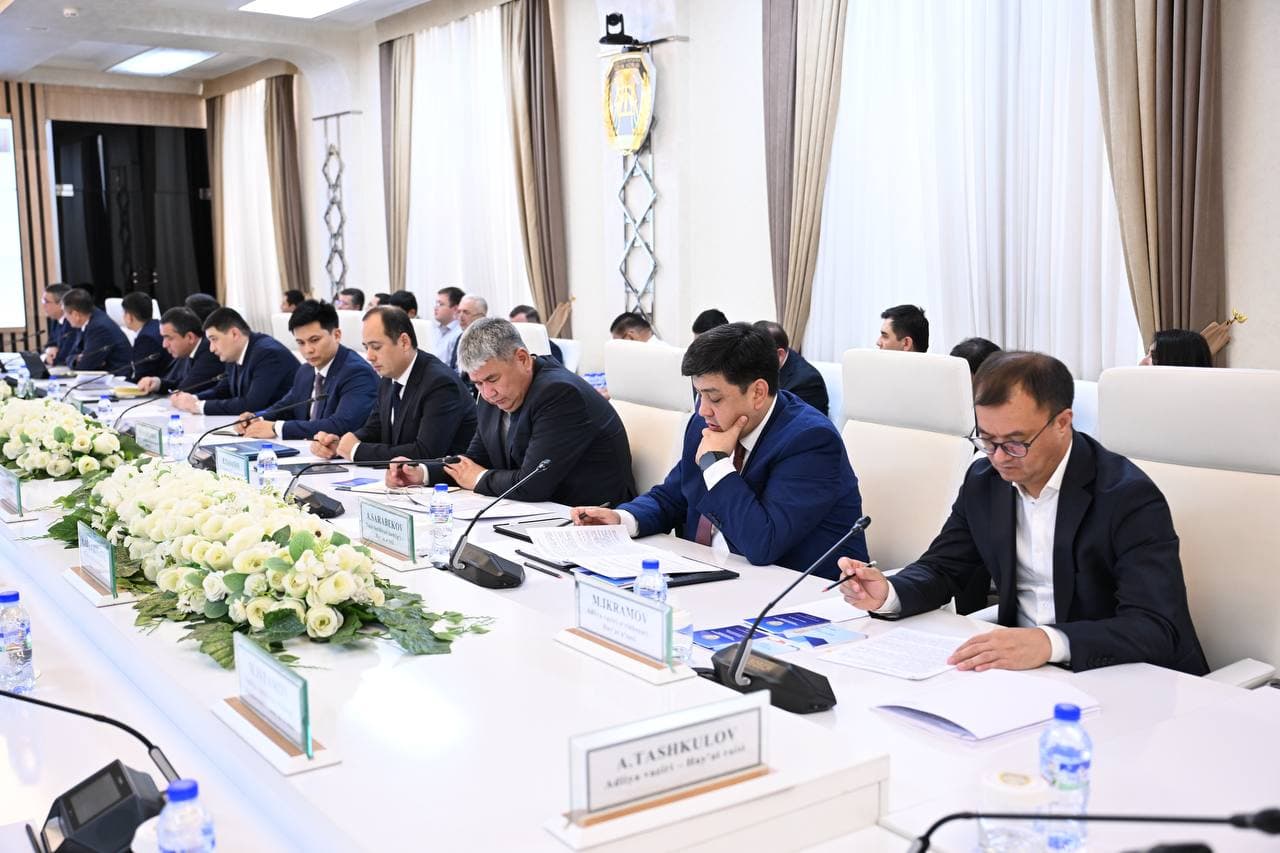
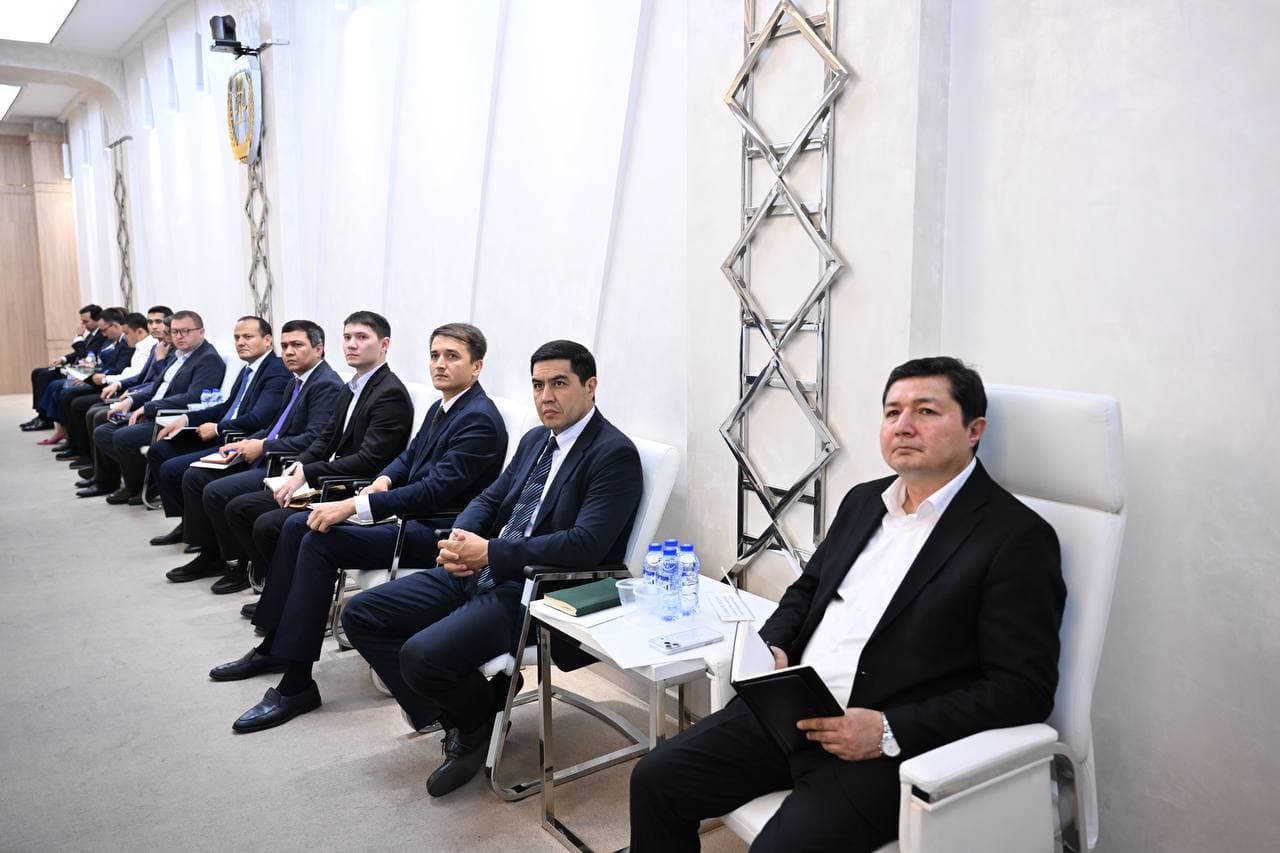
During the meeting, the results of the first half of 2026 were reviewed, and priority tasks for the upcoming period were outlined.
It was noted that, under the “Quality Public Administration” program, the Ministry of Justice was recognized as a “Model Ministry” among 41 government agencies.
Key achievements during the reporting period:
840 normative legal acts were officially registered, representing a 21% increase compared to the same period last year.
The number of departmental normative legal acts registered by the state increased 1.5 times, reaching 301.
More than 1,700 draft normative legal acts underwent Regulatory Impact Assessment (RIA), resulting in the identification of 229 corruption risk factors.
Within the Mandatory Requirements Register, 42,000 mandatory requirements are currently under review.
Forty public services were simplified, increasing the number of composite public services to 128 and proactive services to 33.
The number of services provided through Public Service Centers increased by 75, reaching a total of 592.
Birth certificates are now issued 100% automatically online without the involvement of staff.
The number of notarial acts completed online increased fourfold, exceeding 463,000.
The number of mediation agreements also increased fourfold, surpassing 18,000.
Integration of the E-Notary information system with the information systems of other government agencies reached 95%.
State-funded free legal aid expanded to 80,000 services annually.
The number of lawyers per 100,000 population increased from 14 to 20.
Legal Service Centers issued legal opinions on 4.3 million draft documents prepared by government organizations, reducing the average review time from 46 hours to just 2 hours.
The number of registered intellectual property objects increased 1.5 times to over 15,000, while the number of legally protected IP objects doubled to more than 3,100.
By reducing bureaucratic procedures, the time spent on the Ministry’s internal processes was optimized by 45%.
The execution discipline rate reached 99.59%.
The meeting also critically reviewed existing shortcomings and assigned specific tasks to responsible officials to eliminate deficiencies and ensure the timely and high-quality implementation of the identified priorities.