Uzbekistan’s legislation is being aligned with WTO requirements
2026-03-09 15:00:00 / News of ministry
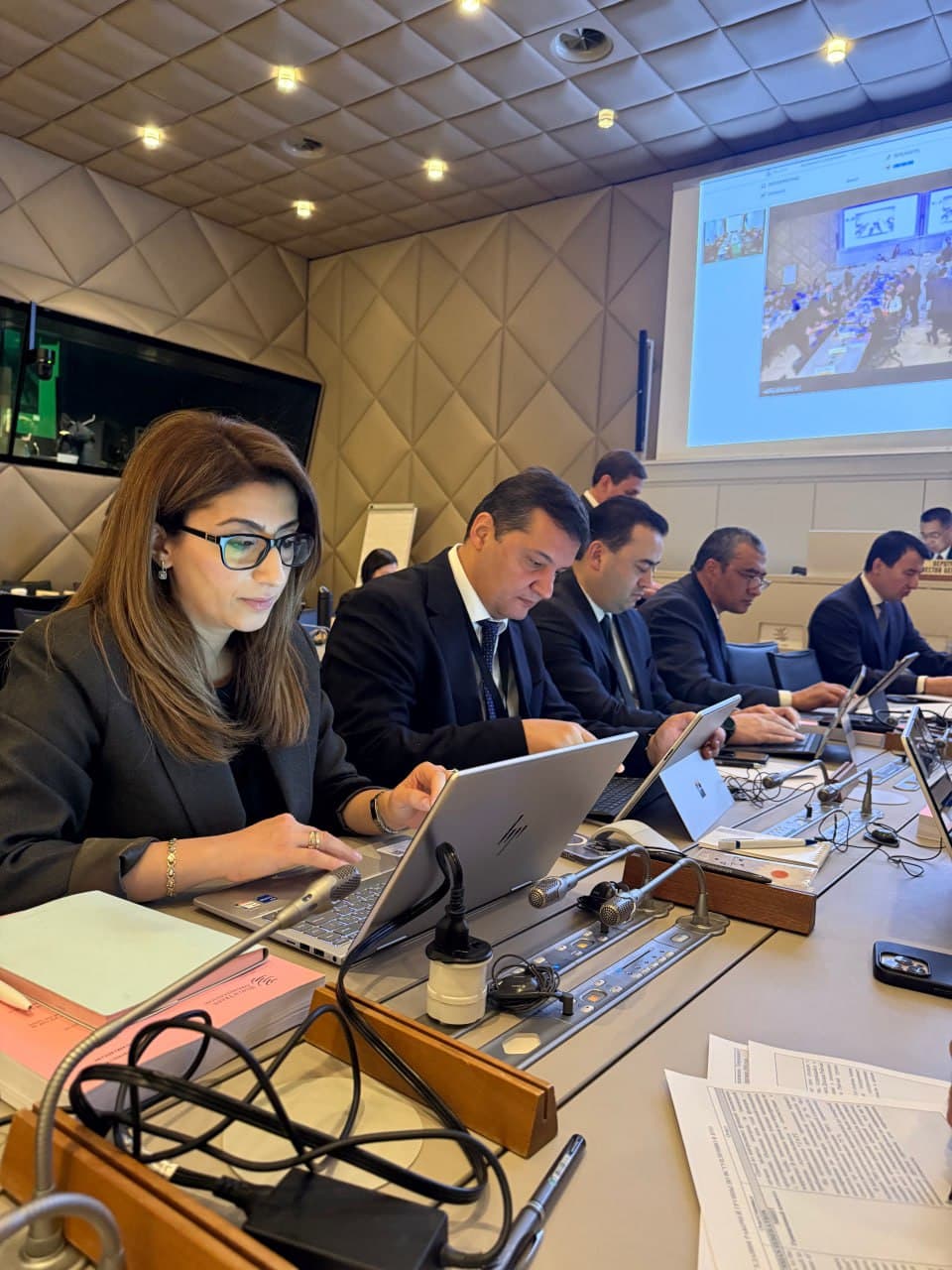
🔸 On March 9 of this year, the 12th meeting of the Working Party on Uzbekistan’s accession to the World Trade Organization (WTO) was held in Geneva, Switzerland. Representatives of the Ministry of Justice, along with other responsible ministries and agencies, participated in the meeting as part of a delegation led by the Deputy Prime Minister of the Republic of Uzbekistan, J. Khodjayev.
🔹 During the meeting, First Deputy Minister of Justice M. Istamov delivered a presentation on the work carried out to harmonize national legislation with WTO agreements.
▪️ Since the 11th meeting of the Working Party, 19 normative-legal acts have been aligned with WTO requirements.
▪️ As a result, the total number of legal documents harmonized with WTO standards has exceeded 180 to date.
The adopted documents provide for the following important changes:
Customs sector:
Double customs duties imposed on products imported from countries that do not benefit from the Most-Favoured-Nation (MFN) treatment in trade and economic relations have been abolished. It was also established to maintain a registry of prohibitions and restrictions in the “Single Window” customs information system, regularly publish the amounts of fees for services provided by state agencies, and introduce the activity of a “consultant auditor” to create more convenience for entrepreneurs. At the same time, the monthly import limit for individual entrepreneurs has been abolished.
Competition development:
Exclusive rights granted to certain enterprises in the trade of ferrous and non-ferrous metals and natural gas have been abolished and replaced with a licensing system.
Technical regulation:
In sectors where two or more private organizations provide conformity assessment services, state organizations are now prohibited from providing such services. Conformity assessment bodies are also allowed to operate based on foreign standards that meet export requirements, and the use of standards has been made voluntary.
Food safety:
The requirement to obtain a sanitary-epidemiological conclusion for importing food products with internationally recognized certificates has been abolished. In addition, food safety requirements have been aligned with the standards of the Codex Alimentarius.
✅ These reforms will serve to liberalize trade, create favorable conditions for entrepreneurship, and strengthen the competitive environment.