Burchmulla State Forestry
2025-05-29 09:30:00 / News
Burchmulla State Forestry was established in 1947. The total land area of the farm is 379699.4 hectares, of which 80462.15 hectares are covered with forests, 3704.03 hectares are cultivated forests, 3677.34 hectares are unconnected forests, and 55.4 hectares are forest nurseries. The farm has Chatkal, Pskom, Sijjak, Sargardon, Khumson, Okbulak, Chakak, Burchmulla, Karangutokay, Ogayen, Turakbau forestry department and nurseries of Ozodbosh, Abdurahmonov, and Yusufkhona.
 Abdukarim Abdujamilov has been in charge of the forestry since 1979. Abdukarim Hoji, who is turning 80, has dedicated his entire life to the field of forestry. During his long-term leadership, new forests were established on an area of 35 thousand hectares. Currently, more than 800 employees work on the farm. Most of them are representatives of the local population.
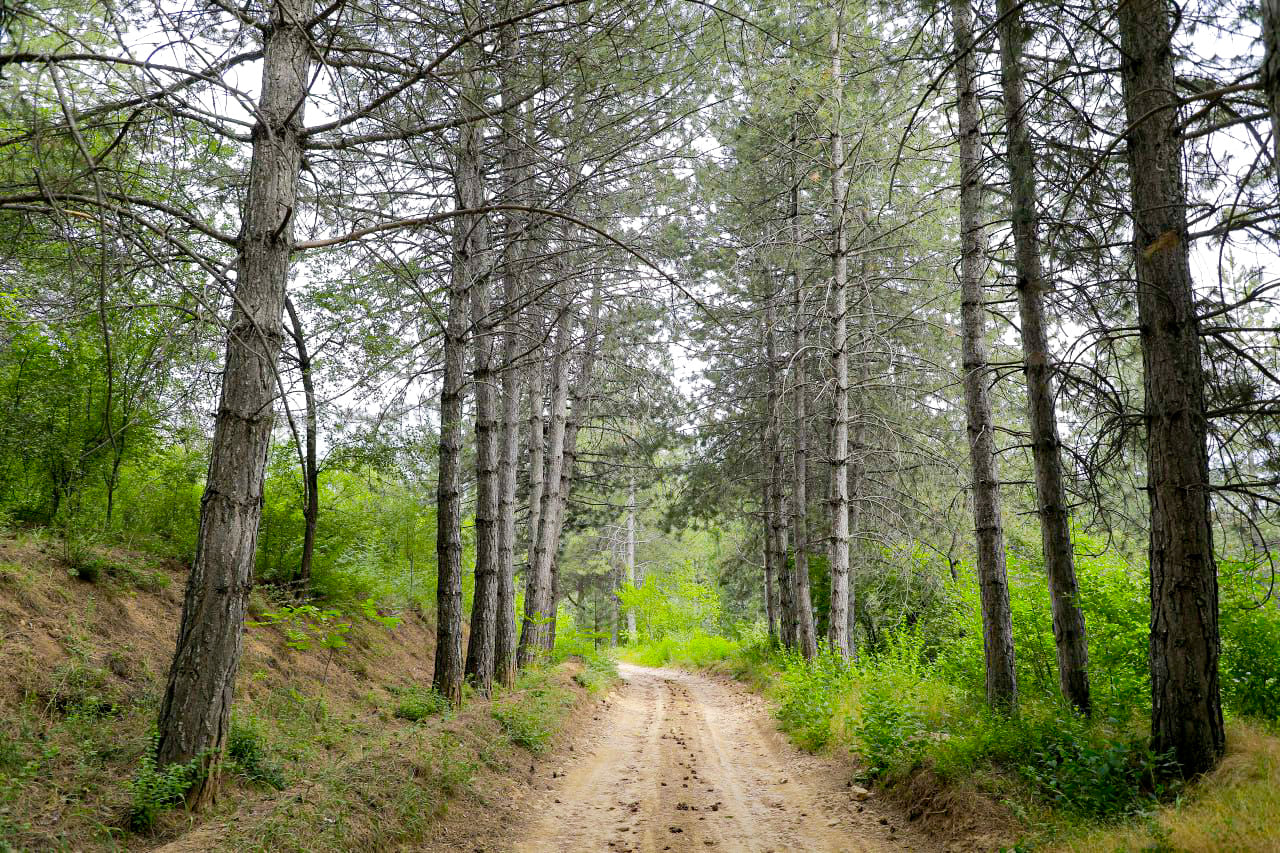
The Burchmulla State Forestry covers six mountain ranges of the Western Tian Shan region. About 1800 species of plants are distributed in the territory, more than 80 of which are listed in the "Red Book" of the Republic of Uzbekistan. There are also about 230 species of the animal world, of which 32 species are listed in the Red Books of Uzbekistan and the International Red Book. The forestry department annually carries out measures to create new forest plantations on an area of 308 hectares. The main types of planted seedlings are coniferous: Crimean pine, juniper, eastern camel, decorative seedlings: chestnut, oak, lipa, jasmine, clove, poplar, elm, Japanese pagoda tree, fruit seedlings: walnut, almond, rosehip, apple, apricot, plum, cherry, and other types of seedlings.
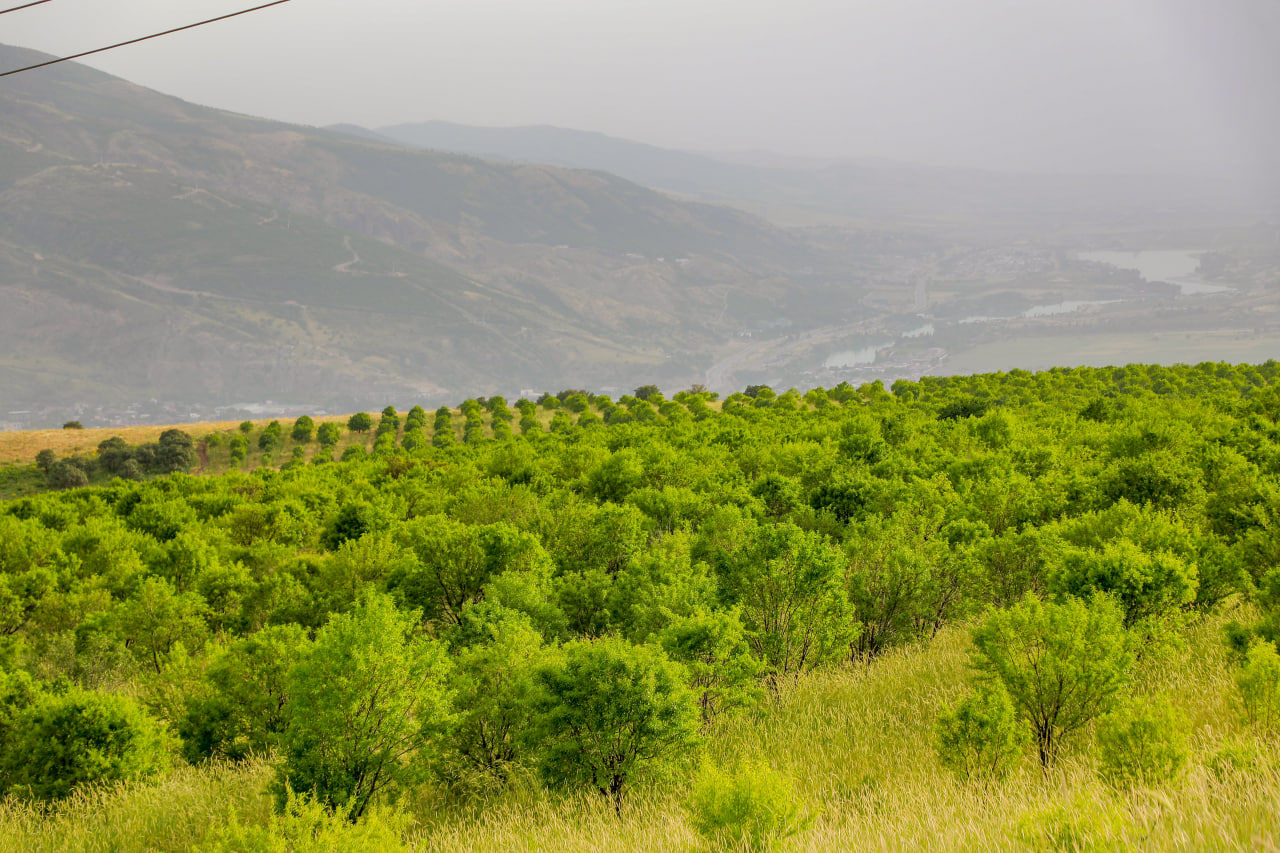 Forest nurseries have been established in 9 control areas of the farm, and seedlings and saplings are grown on 55.33 hectares. A special warehouse has been allocated for storing medicinal and food plant raw materials, where various types of medicinal plants are stored today.
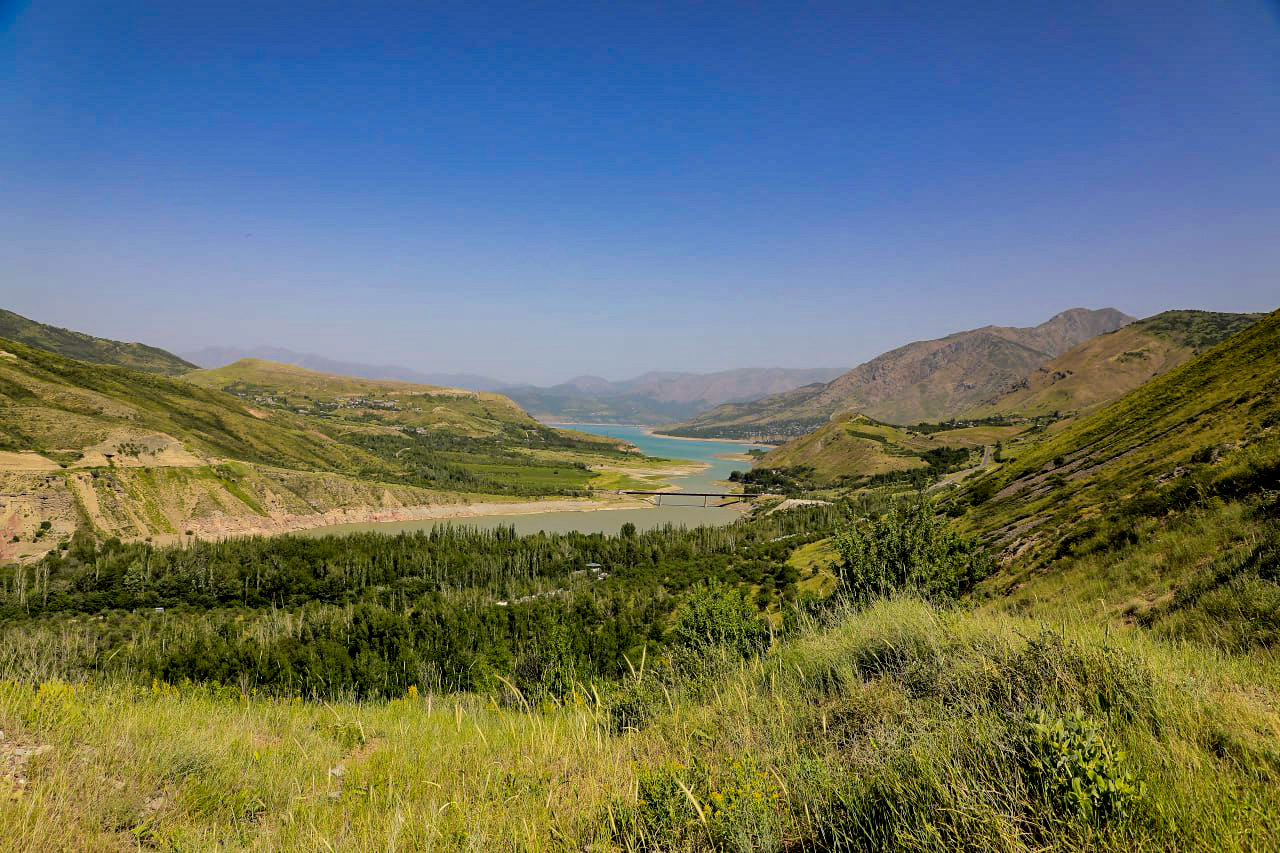
 The Chatkal, Koksu, Pskem, and Ugam rivers flow from the Burchmulla forestry area, forming the Chirchik River. This river provides drinking water to the city of Tashkent and the region.