
Smart Nursery Complex Commissioned in Piskent
2026-10-29 09:50:00 / News
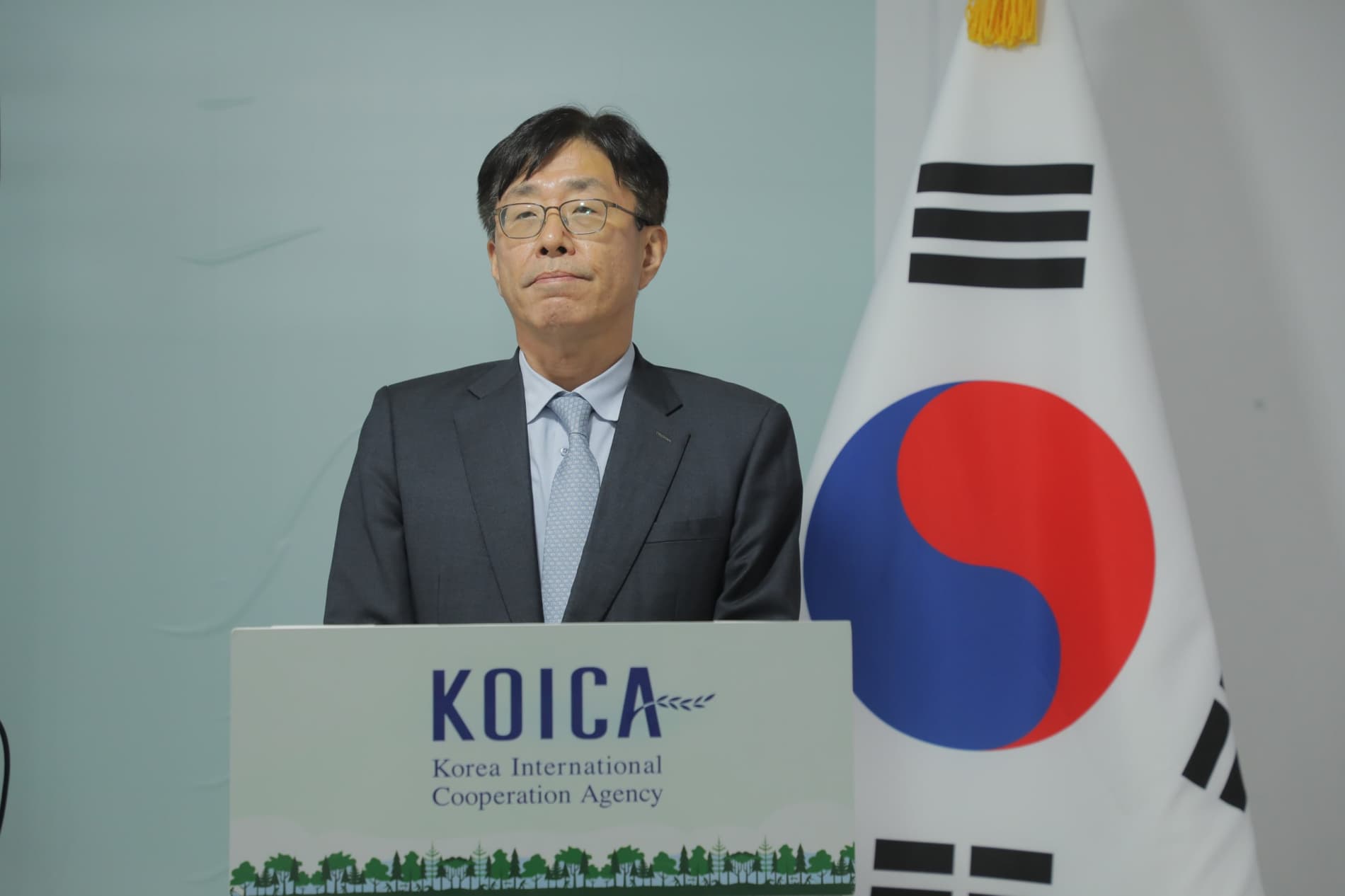
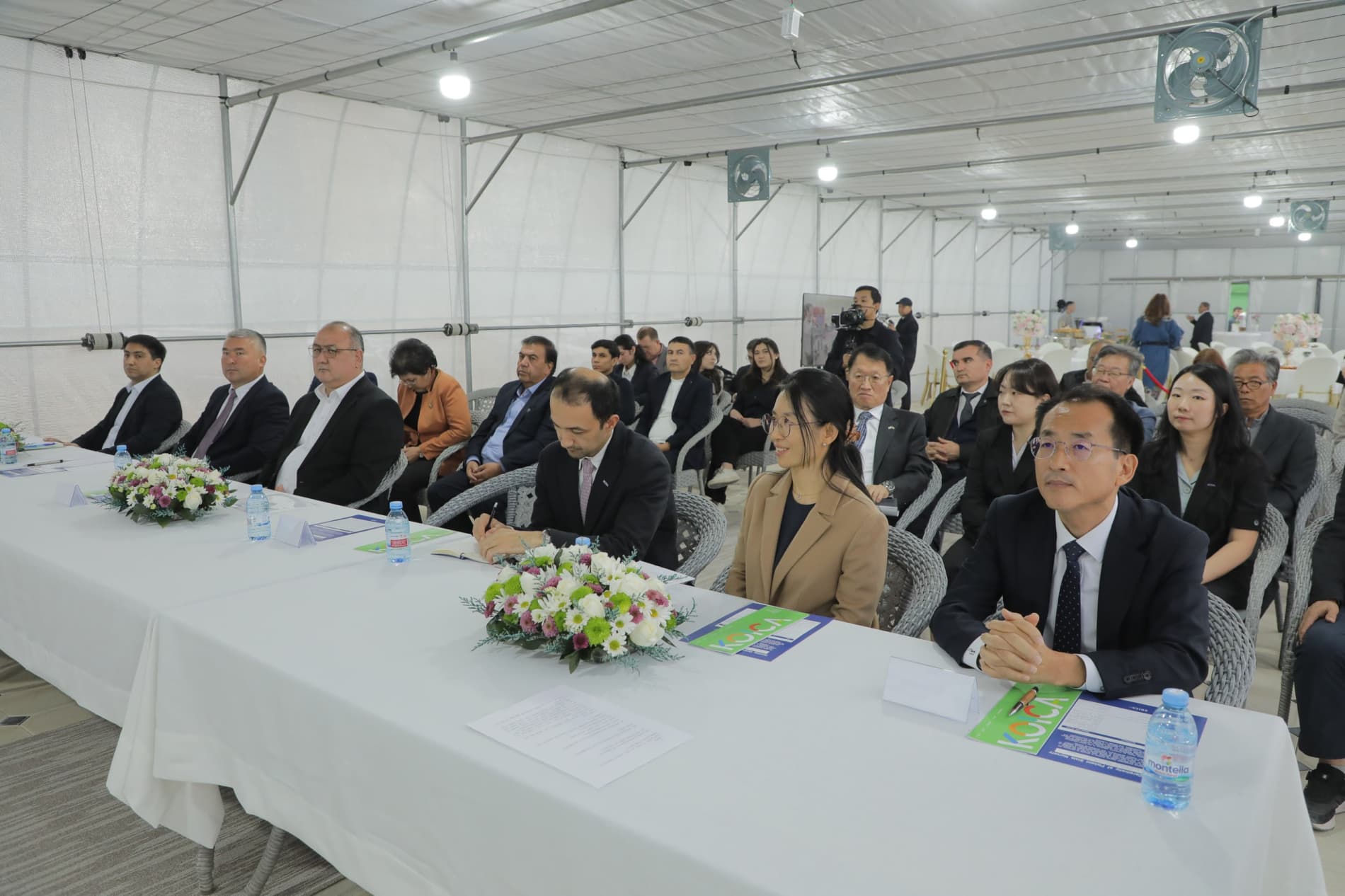

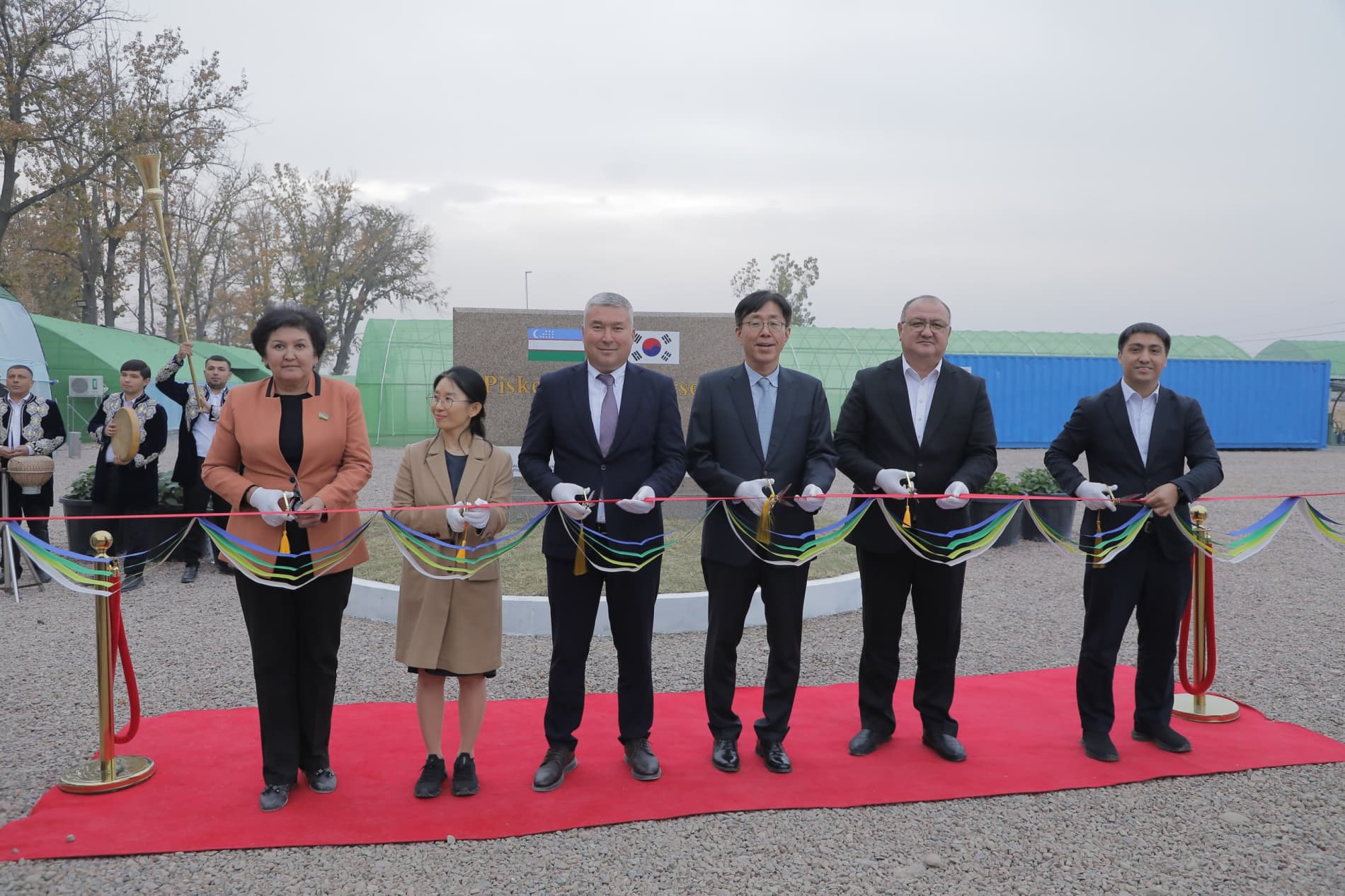

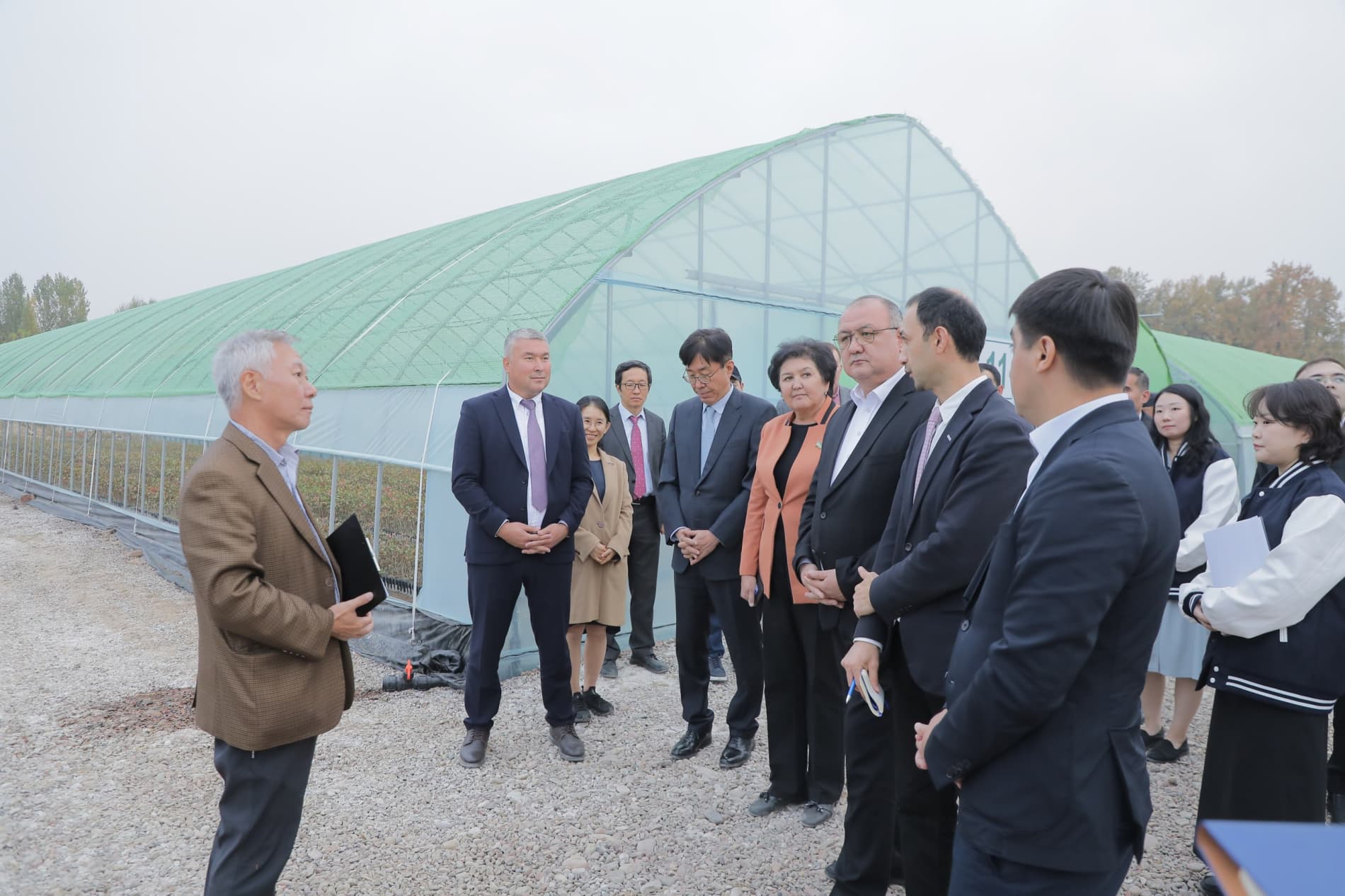
The ceremony marking the commissioning of the modern nurseries was attended by Golibjon Qurbonov, Deputy Director of the Forestry Agency; Won Do Yeon, Ambassador Extraordinary and Plenipotentiary of the Republic of Korea to Uzbekistan; Abdushukur Hamzayev, Head of the Ecological Party of Uzbekistan faction in the Legislative Chamber of the Oliy Majlis; representatives of the Ecology Committee and the Forestry Agency; KOICA experts; officials from the Piskent District administration; heads of regional state forestry enterprises; and representatives of the mass media.
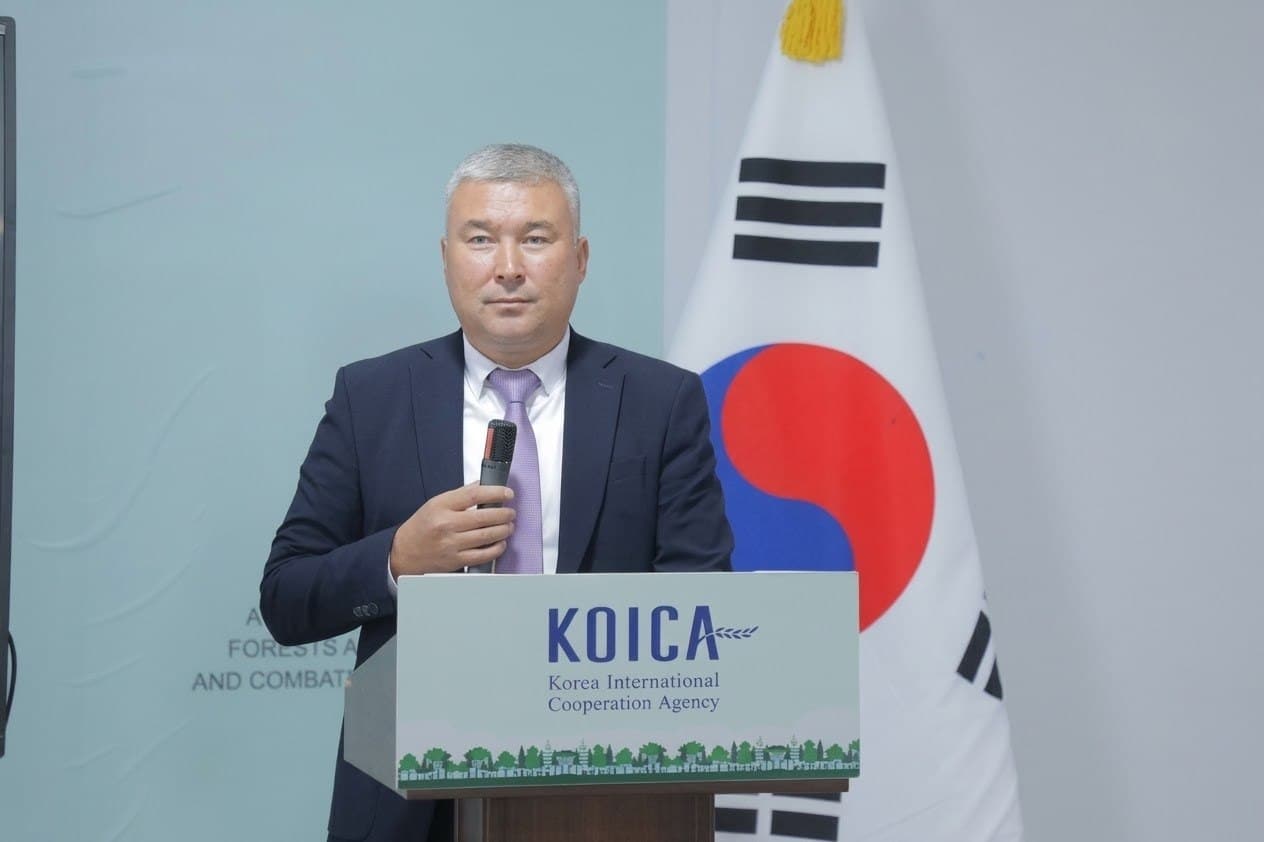
Opening the event, Deputy Director of the Forestry Agency Golibjon Qurbonov noted that, in recent years, significant efforts have been made in Uzbekistan, at the direct initiative of the Head of State, to establish new forests and expand green areas.
“It is worth noting that a modern nursery centre capable of producing millions of high-quality seedlings annually recently began operations in Guzar District, Kashkadarya Region. This year, a smart nursery complex covering a total area of 5.5 hectares was also established in Andijan Region. These nurseries will help take the nationwide ‘Yashil Makon’ (‘Green Space’) project to a new level.
“The smart nurseries being commissioned today in Piskent District, Tashkent Region, are a continuation of these important initiatives. On behalf of the Forestry Agency, we express our sincere gratitude to the Government of the Republic of Korea, KOICA, and all our partners who have supported the establishment of this modern complex and contributed to the successful implementation of the project,” said Golibjon Qurbonov.
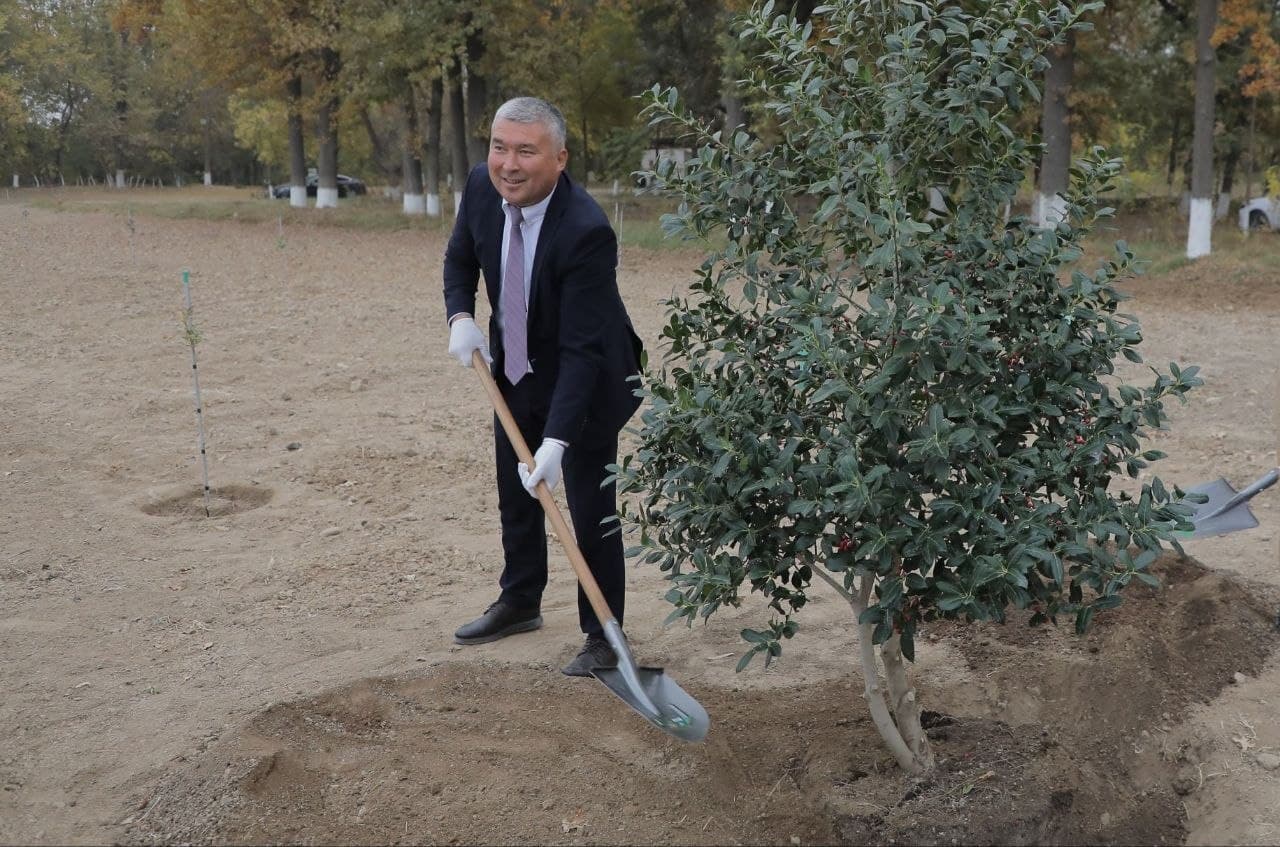
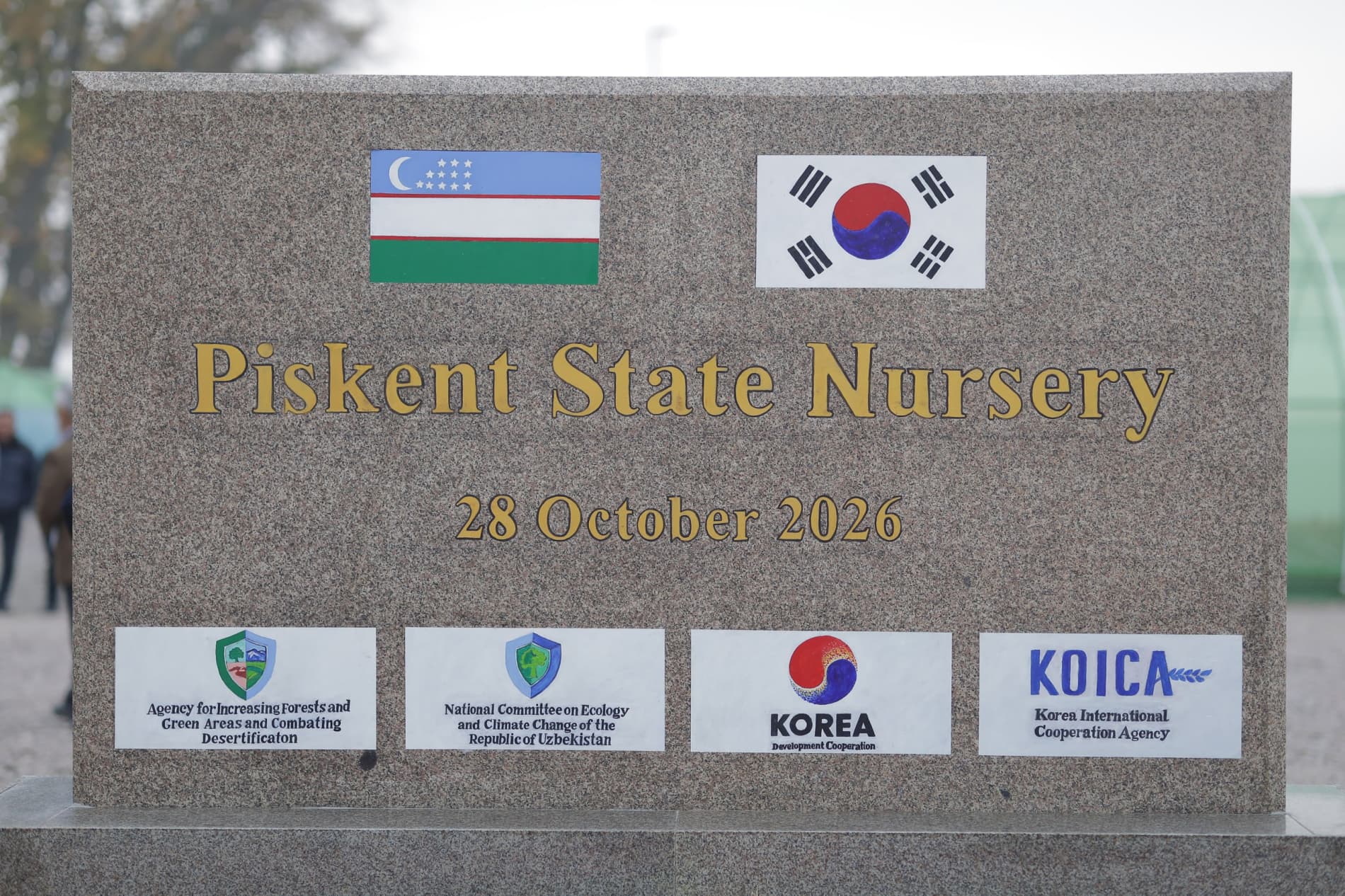
During the ceremony, a commemorative stone marking the establishment of the smart nursery complex was officially unveiled. Guests also planted trees on the premises to commemorate the occasion. Participants then familiarised themselves with the nursery’s operations and infrastructure.
The project, implemented in cooperation with KOICA, runs from 2024 to 2028 and has a total value of USD 7.7 million.
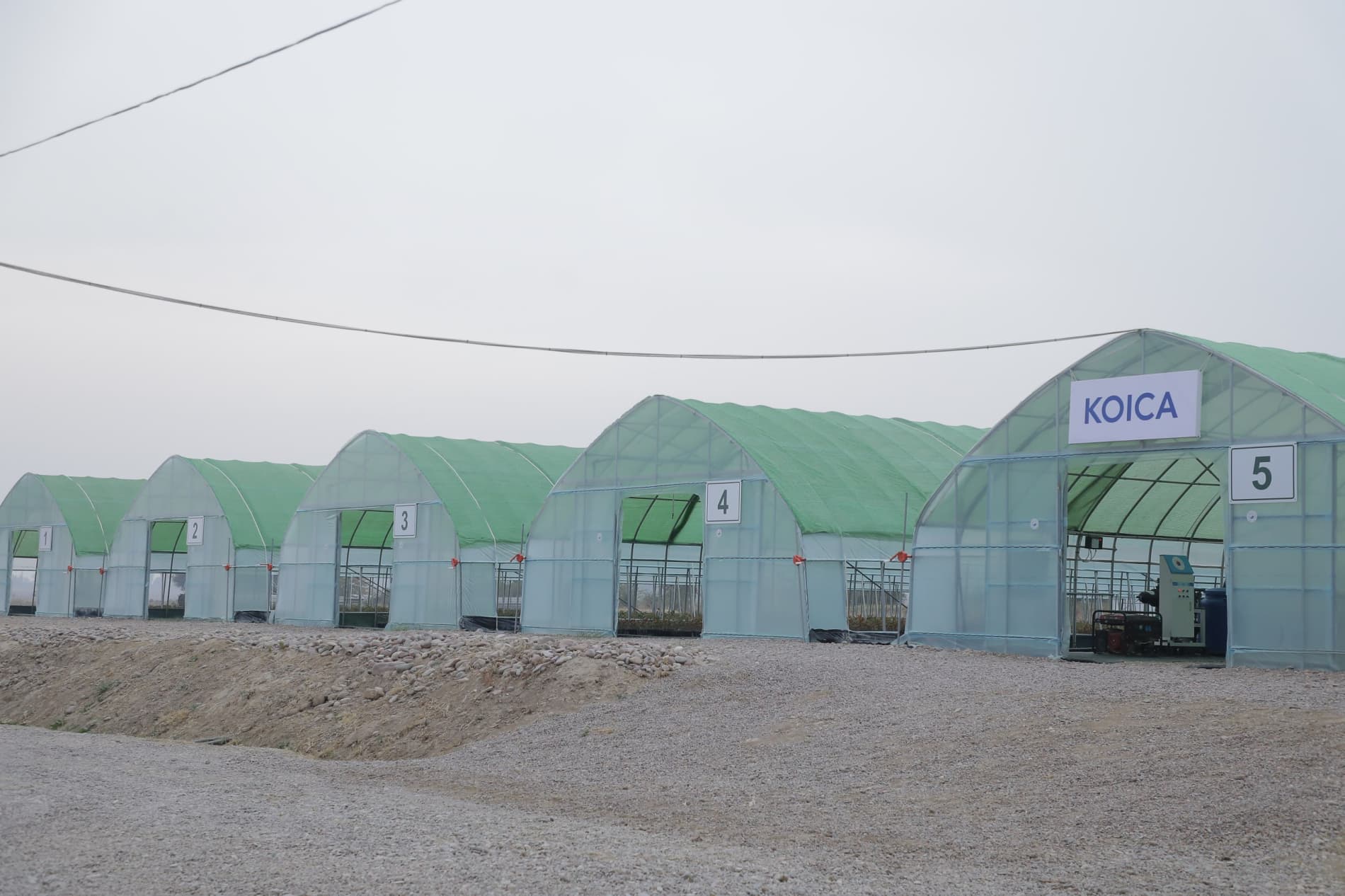
The complex has been established at the Dungqurgon section of the Tashkent State Forestry Enterprise, which specialises in seedling production. It comprises 14 smart greenhouses and covers a total area of 7 hectares. The greenhouses are equipped with automated systems that continuously monitor indoor environmental conditions, helping maintain optimal conditions for growing high-quality planting stock suited to the local climate.
Growing seedlings using smart technologies is particularly important for developing the forestry sector, improving the efficiency of seedling production, and implementing measures to adapt to climate change. As part of the project, training seminars are being organised on growing seedlings adapted to local climatic conditions, grafting techniques, and the introduction of modern agricultural technologies.
The project will also improve the efficient use of existing forestry infrastructure, create new jobs, and expand opportunities to propagate a wide variety of tree and shrub species.
The modern nursery complex will make it possible to produce large quantities of tree and shrub seedlings, supply forestry enterprises with high-quality planting stock, establish new green areas across the country, support afforestation and reforestation, and help prevent desertification in arid regions.
According to South Korean specialists, the smart greenhouses, which use modern technologies to grow planting stock, offer several important advantages.
One of the key benefits is significant water savings through the use of advanced technological equipment. Seedlings are grown in special containers rather than directly in the ground, enabling them to reach planting-ready condition in approximately one year on average. Automated management reduces the need for manual labour. All processes are carried out with the assistance of specialised software, helping ensure healthy and high-quality seedling development.
Importantly, seedlings grown in special containers under these conditions are much easier to transport to and plant in mountainous areas. These advantages also help reduce costs.
By way of information, during the first nine months of this year, forestry enterprises under the Forestry Agency collected 1,100 tonnes of tree and shrub seeds for forestry and greening activities. A total of 101.6 million seedlings and saplings suited to local soil and climatic conditions are being cultivated and maintained across 1,035 hectares.
The success of such large-scale efforts depends directly on selecting the right planting material, growing it to a high standard, and ensuring proper care after planting. The technologies introduced at the smart nursery in Piskent enable more efficient water use, the cultivation of planting stock in a controlled environment, and improvements in seedling quality.
The next step is to introduce these advanced practices at other forestry enterprises across the country.