
Uzbekistan to Expand Modern Intensive Methods of Seedling Production
2026-08-12 14:55:00 / News

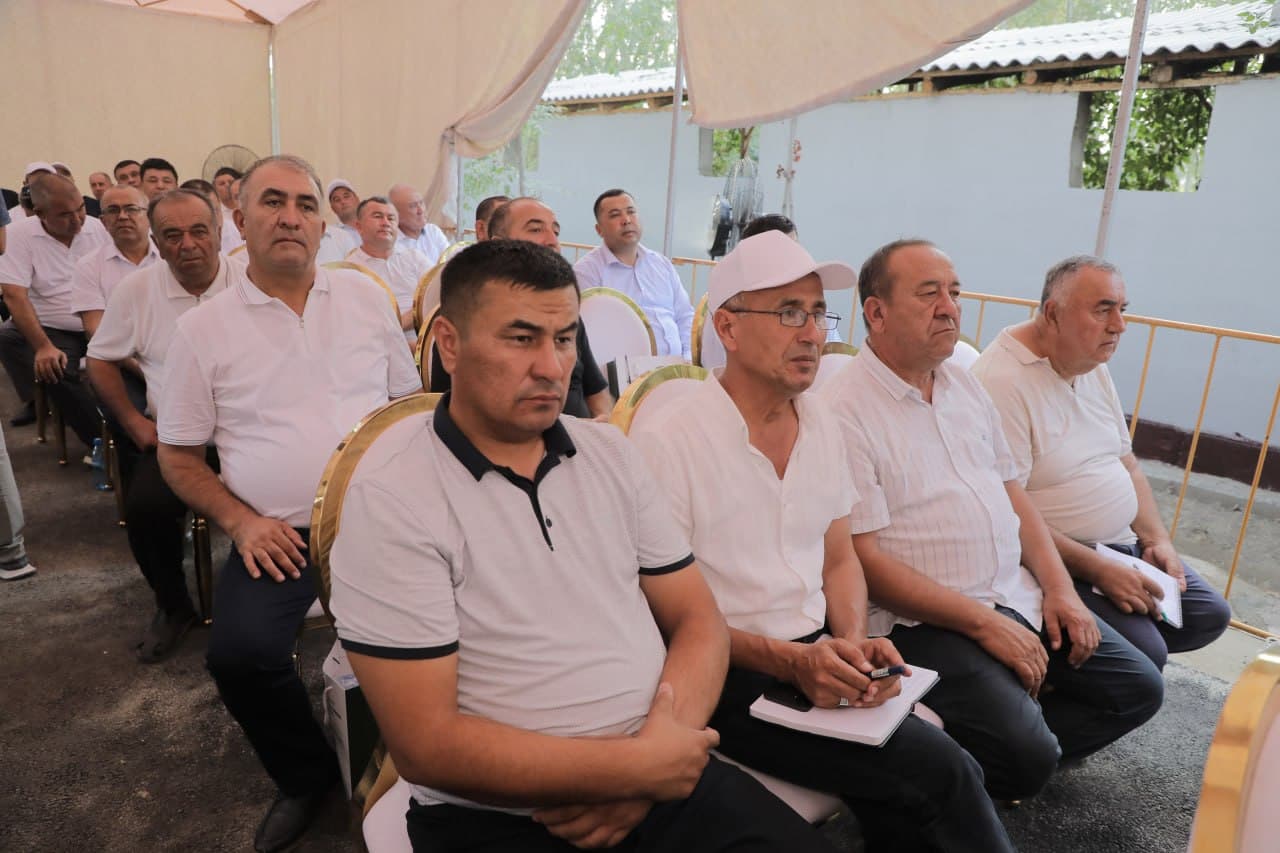
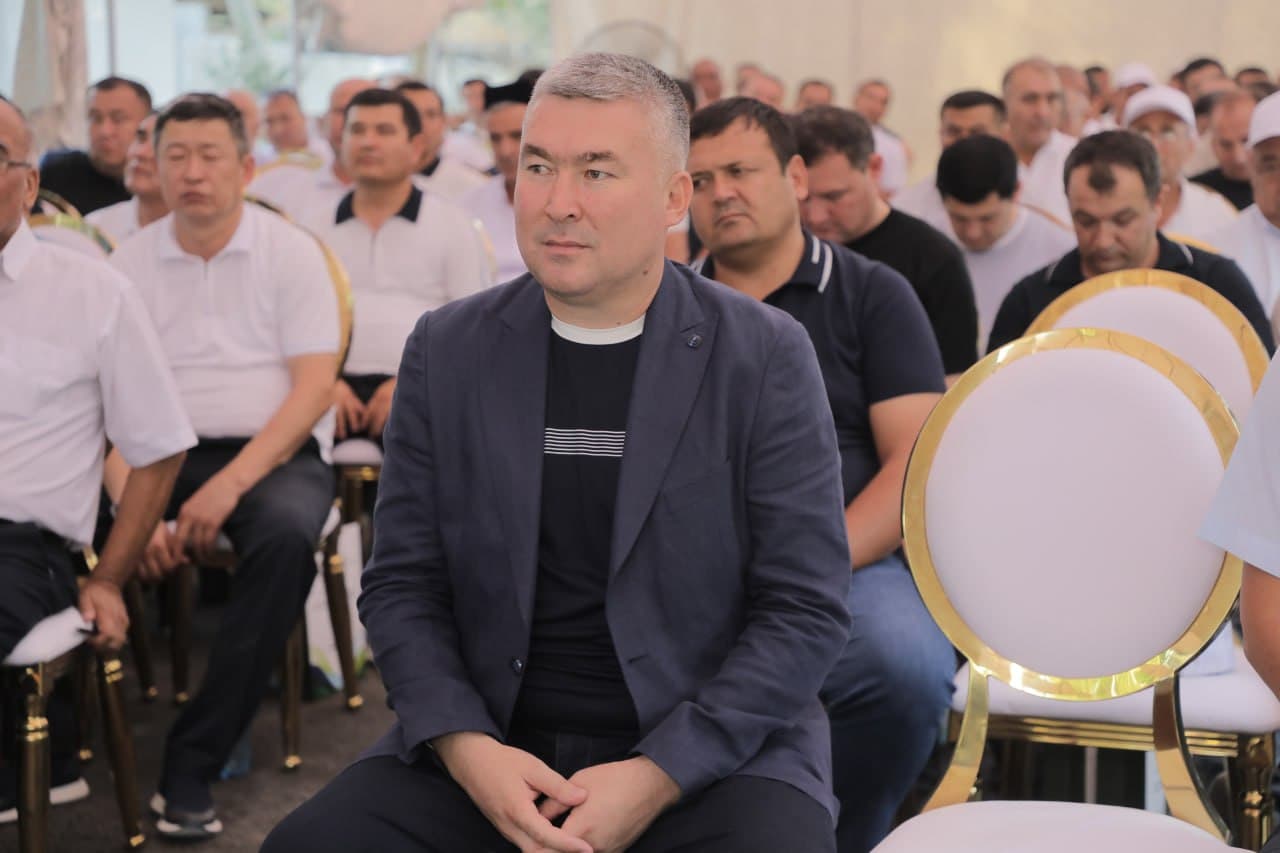
The event was attended by Jussipbek Kazbekov, Deputy Chairman of the National Committee for Ecology and Climate Change; Erkin Mukhiddinov, Director of the Forestry Agency; responsible officials of the Agency; heads of system organizations and regional state forestry enterprises; as well as representatives of the mass media.
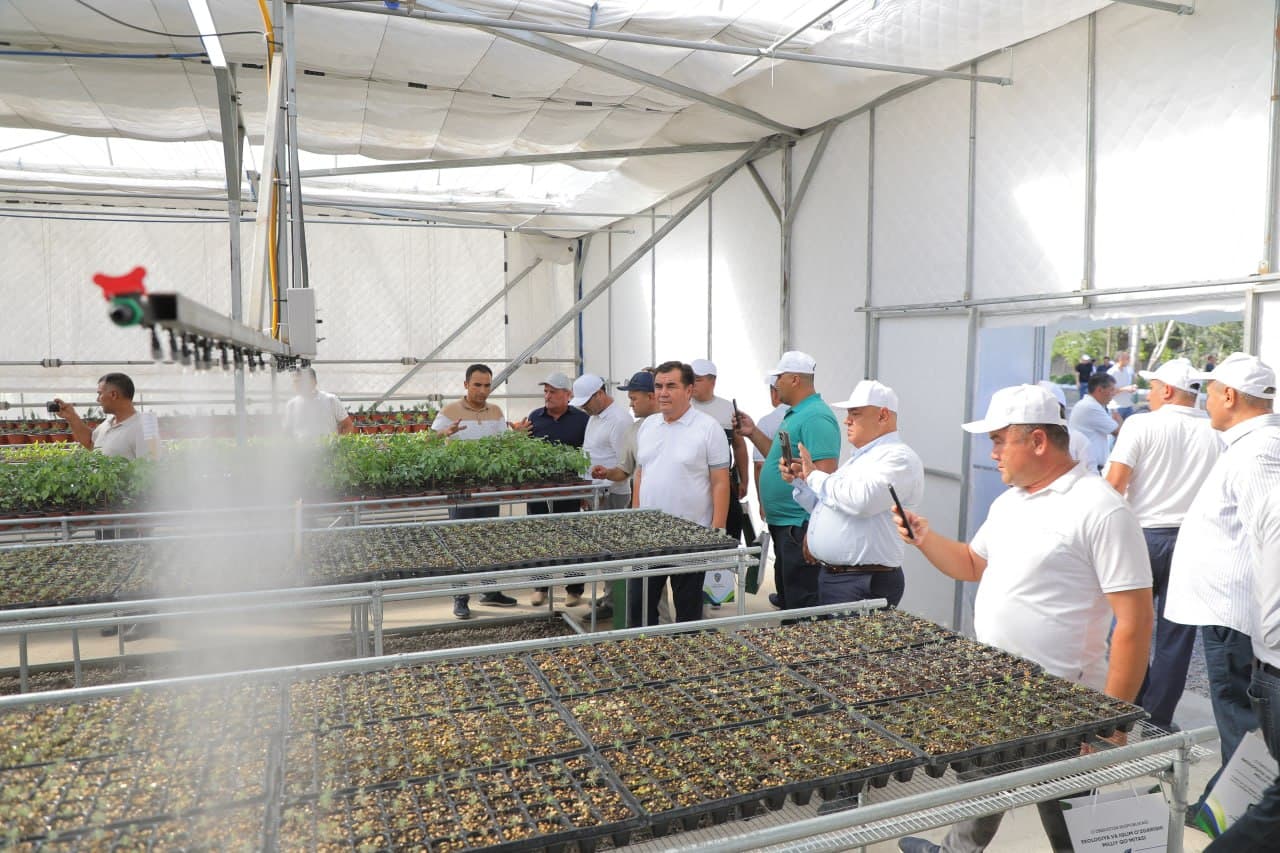
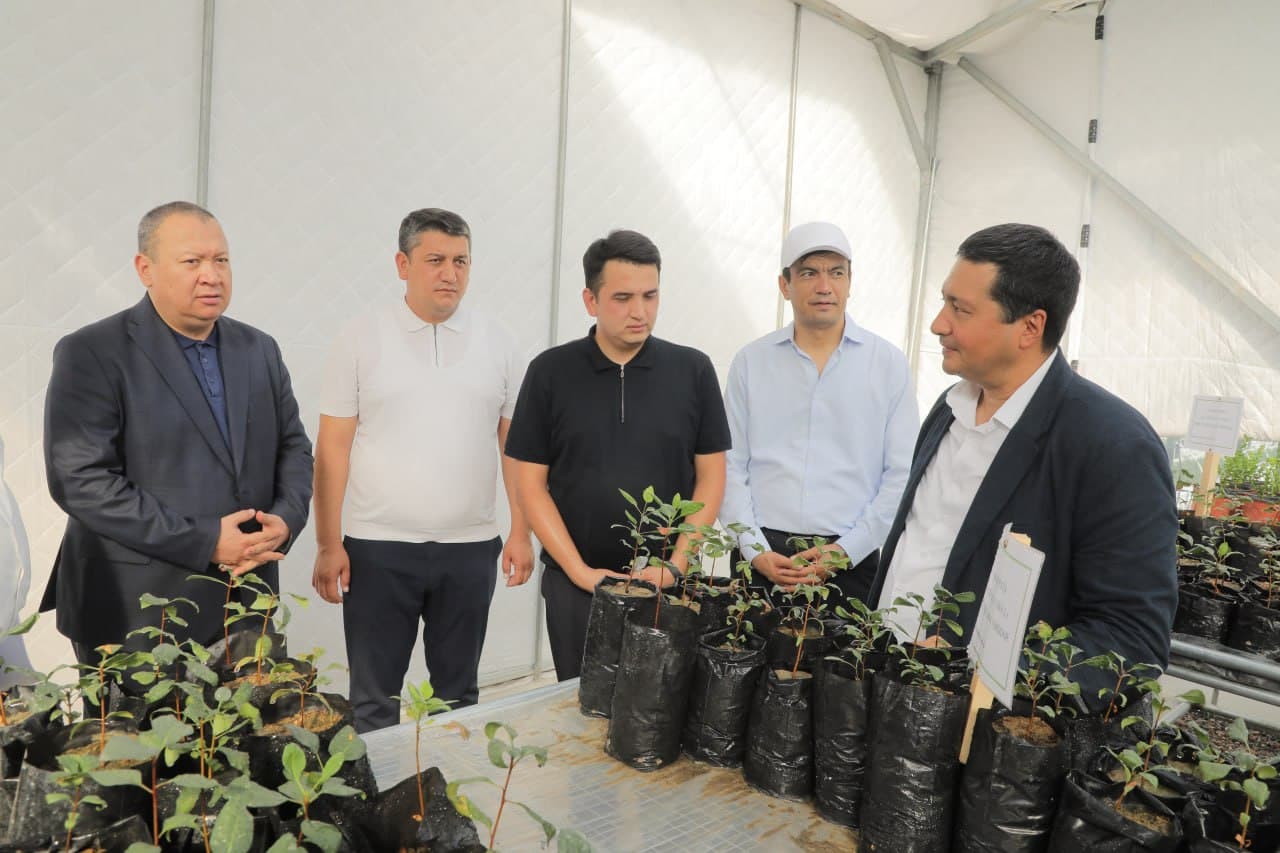
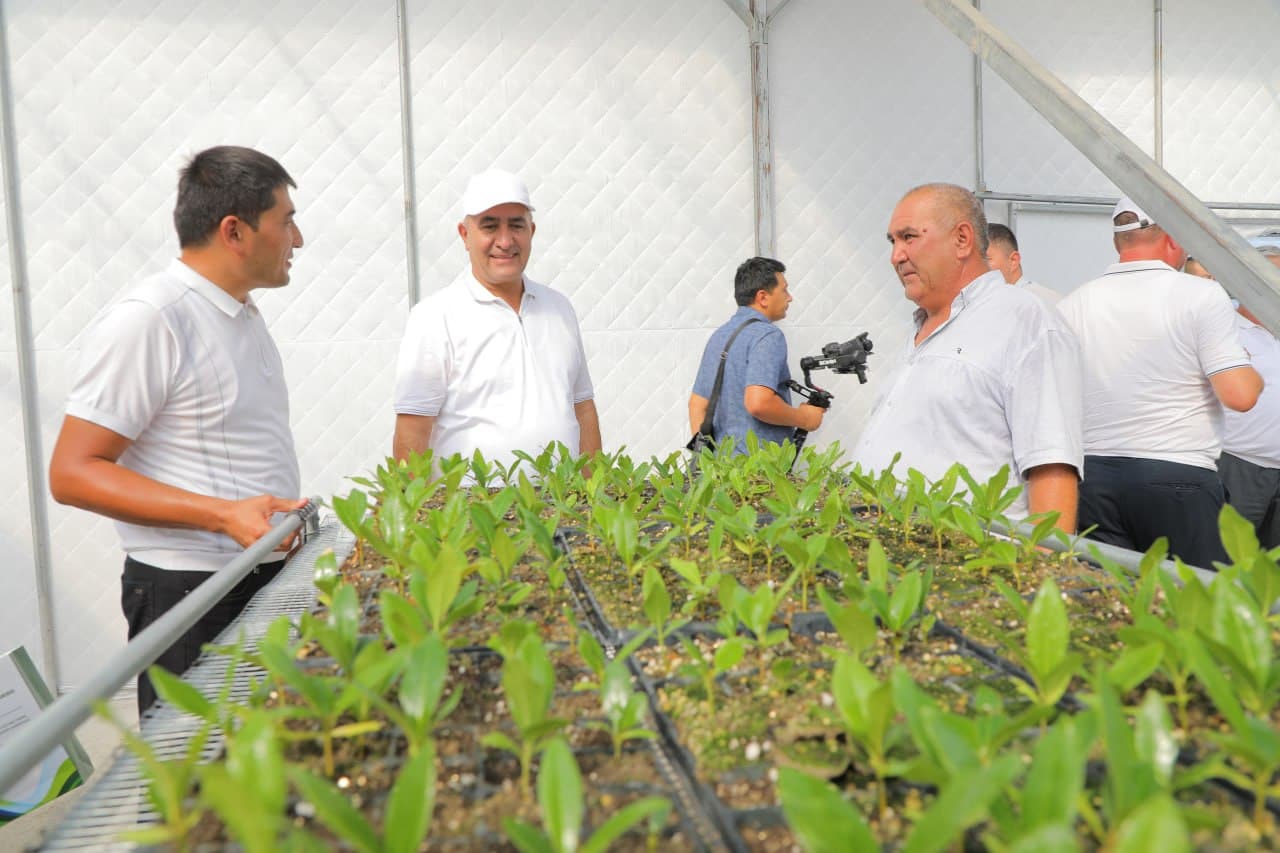
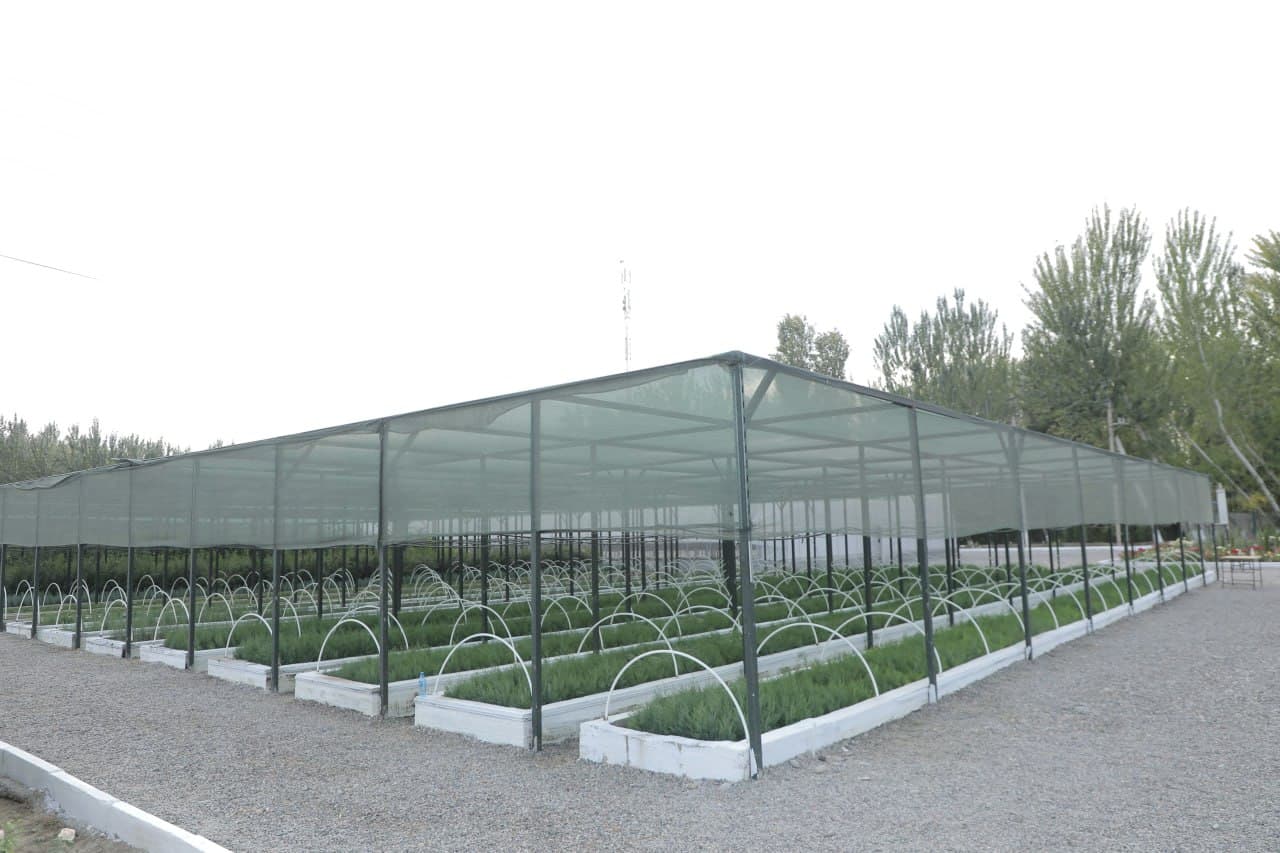
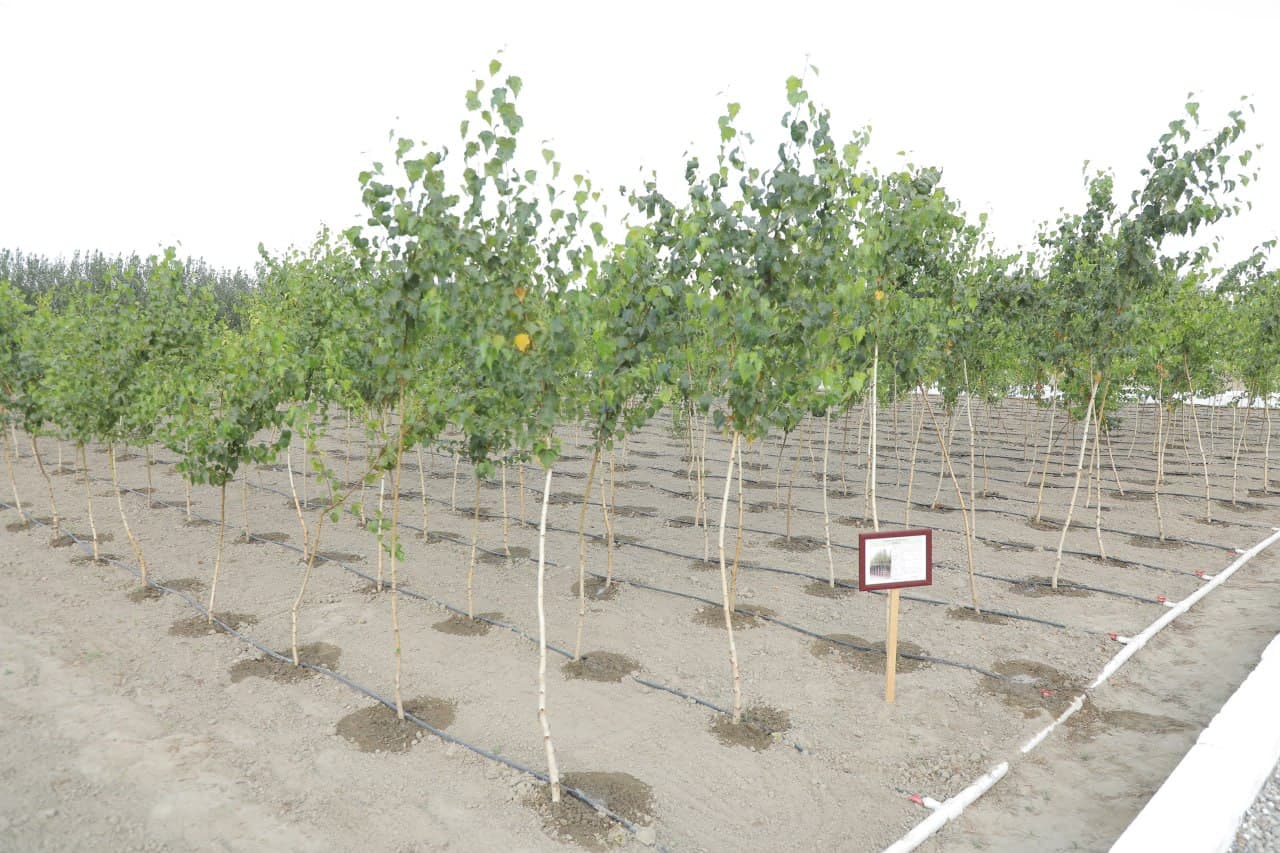
At the beginning of the seminar, participants visited a new modern nursery in the territory of the Balykchi Forestry Department, which was commissioned in May this year.
For reference, the total land area of the modern nursery, equipped with advanced technologies from South Korea, is 5.5 hectares. Today, around 40 species of trees, shrubs and medicinal plants are being cultivated there using intensive methods.
According to specialists, these modern methods of seedling production offer a number of important advantages.
First, seedlings are not grown directly in the ground. Instead, they are cultivated from seeds in specially designed small containers under greenhouse conditions using modern technological systems. This allows the seedlings to reach the required growth stage in a shorter period of time, resulting in savings of time, energy and costs.
Second, the advanced system helps ensure the adaptation of seeds of plants imported from foreign countries to Uzbekistan’s climatic conditions. As a result, the survival and establishment rate of seedlings grown under these conditions increases significantly.
The seminar was opened by Erkin Mukhiddinov, Director of the Forestry Agency under the National Committee for Ecology and Climate Change. In his opening remarks, he noted that in recent years, on the direct initiative of the Head of State, particular attention has been paid to increasing the level of greenery across the country, establishing new forests, and ensuring systematic protection of the environment and ecology.
“Today, when we talk about a modern nursery, we no longer mean simply an area where seedlings are grown. We mean a modern agro-technological complex that combines selection, seed production, a scientific approach, automated irrigation, container technology, phytosanitary control, microclimate management and highly efficient production processes,” E. Mukhiddinov said. “The modern nursery established here in Andijan is a practical result of this approach.
Every infrastructure facility built here, every technology introduced and every agrotechnical process put into operation serves one purpose — to produce high-quality planting material that meets established standards and has a high survival rate.”
Speaking at the event, Jussipbek Kazbekov, Deputy Chairman of the National Committee for Ecology and Climate Change, emphasized that in recent years, ensuring environmental safety, mitigating the negative effects of climate change, combating desertification, preserving biodiversity and expanding green areas have become among the priority areas of state policy.
“Our main goal and task today is to widely introduce in all regions the beneficial initiatives being implemented in Andijan and other advanced forestry enterprises, and to systematically develop the sector based on the ‘Science – Project – Practice’ chain,” J. Kazbekov said. “Importantly, such nurseries play a significant role in providing the nationwide ‘Yashil Makon’ (Green Space) project with high-quality planting material, establishing protective forest plantations, restoring degraded lands, expanding green areas in cities and rural communities, and mitigating the negative impacts of climate change.”
During the seminar, participants received detailed answers to their questions from responsible officials and experts.
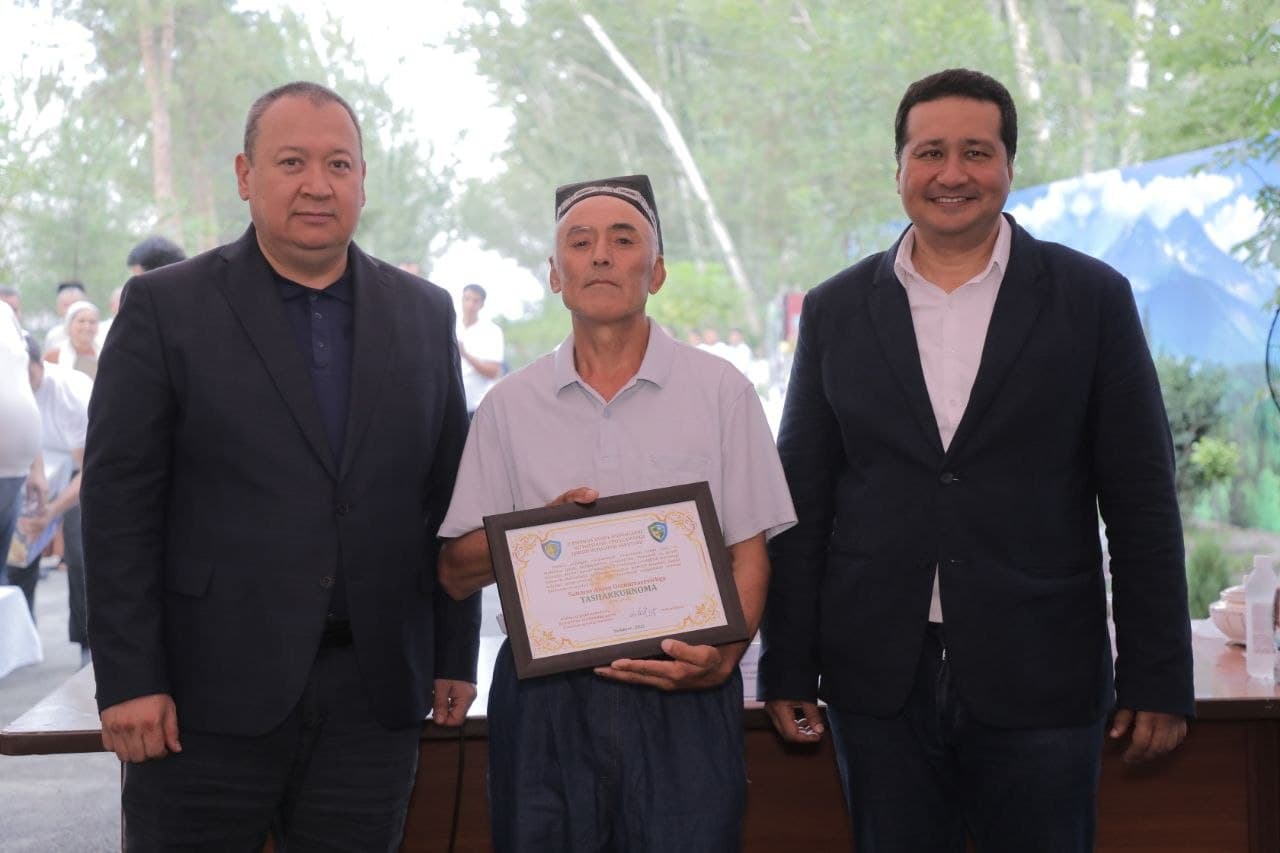
As part of the event, a group of employees and workers of the Andijan forestry enterprise were presented with letters of appreciation and commemorative gifts from the organizers.
At the conclusion of the seminar, goals and tasks to be implemented in the future were identified.