
“Mayor’s Hour”: What Issues Were Discussed on the Agenda?
2026-09-28 14:55:00 /
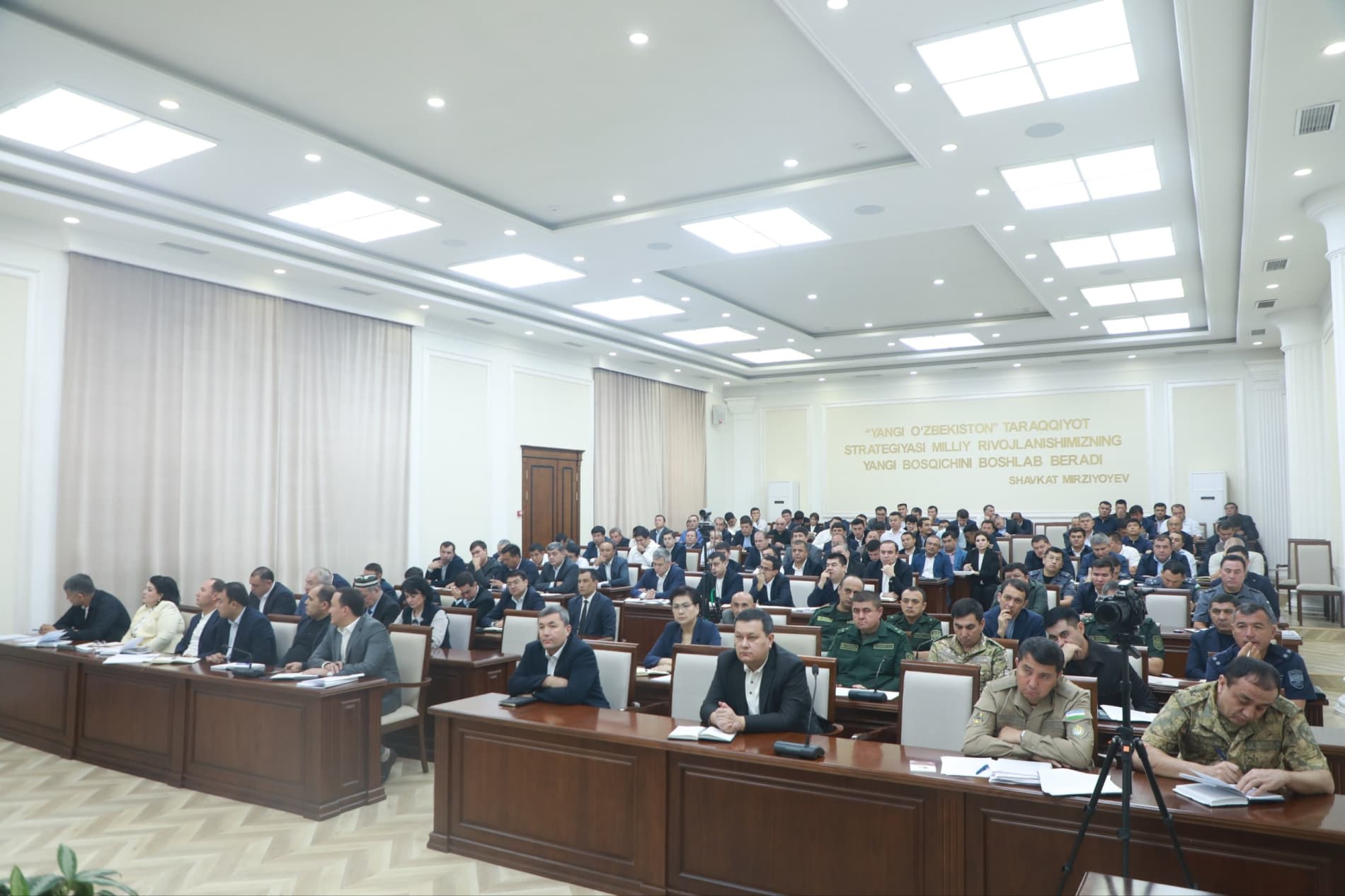
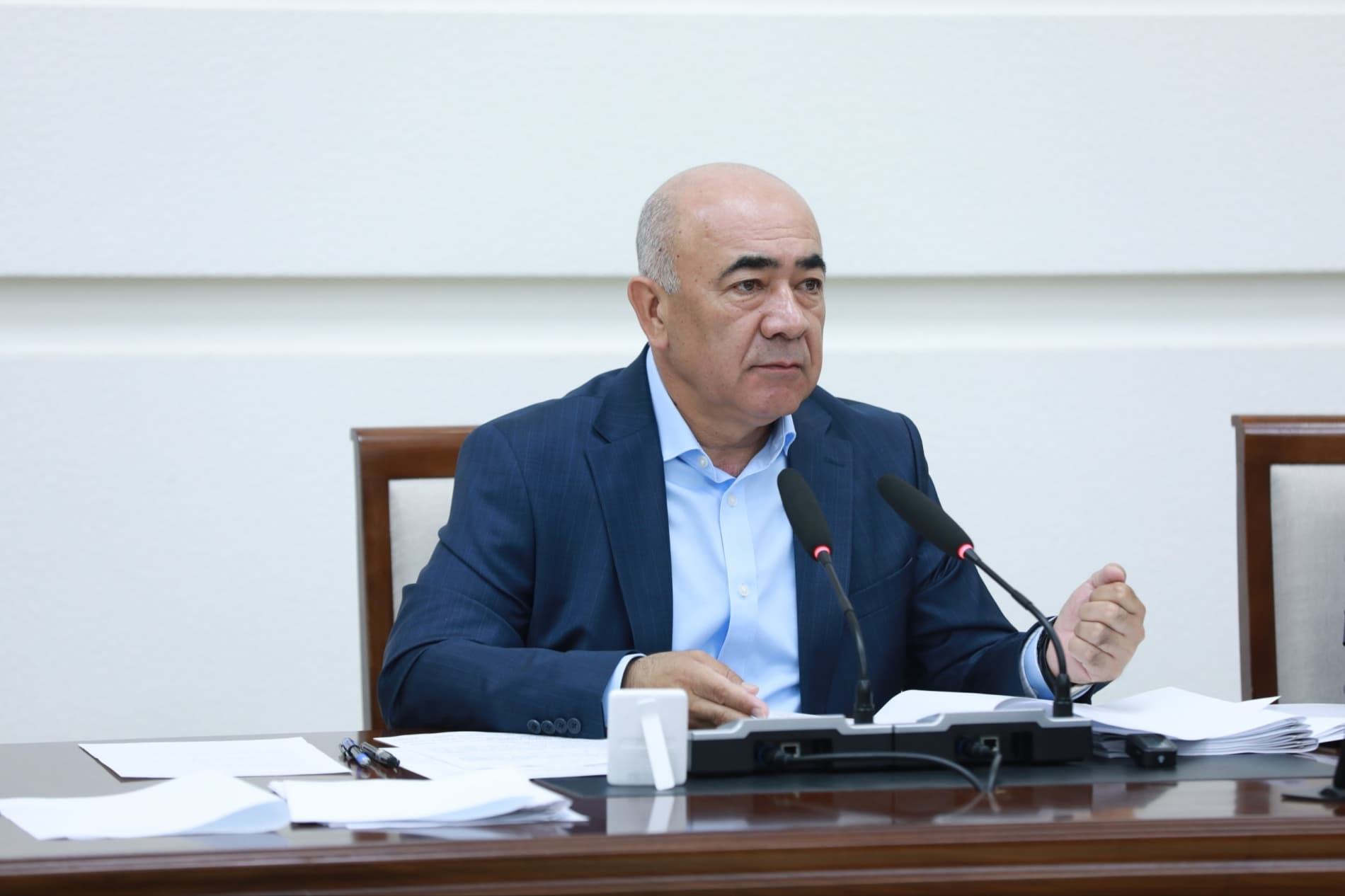
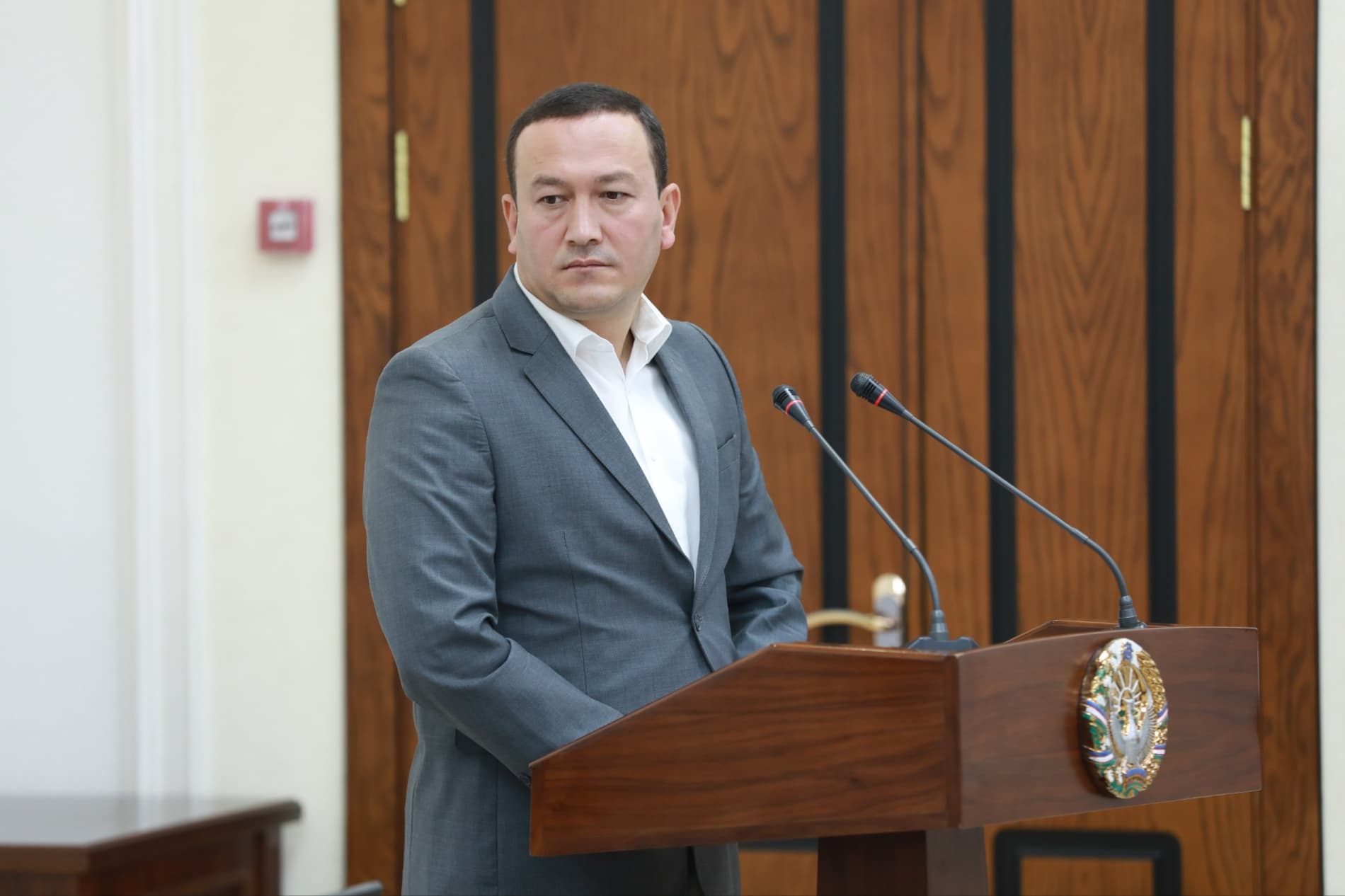
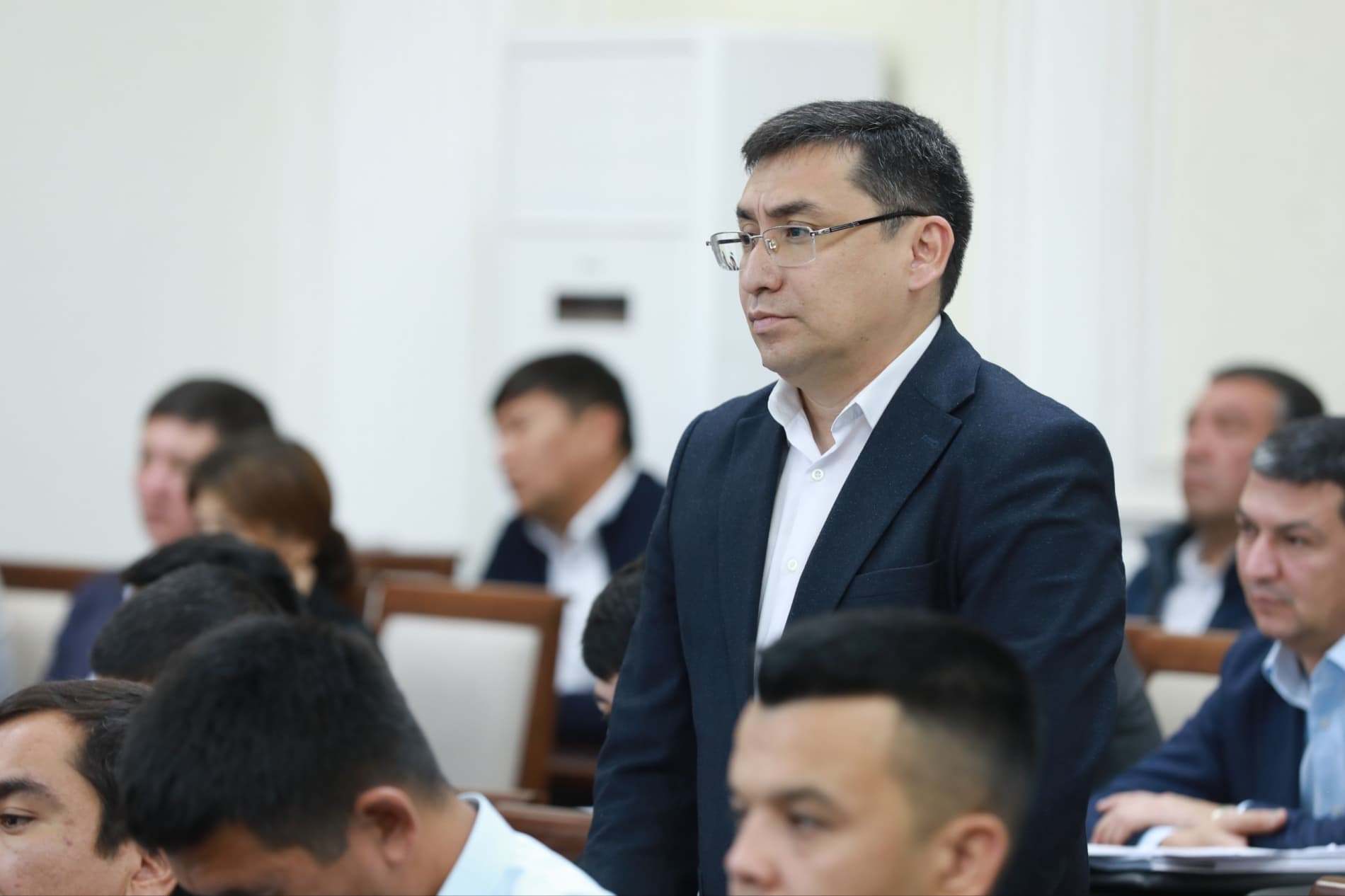
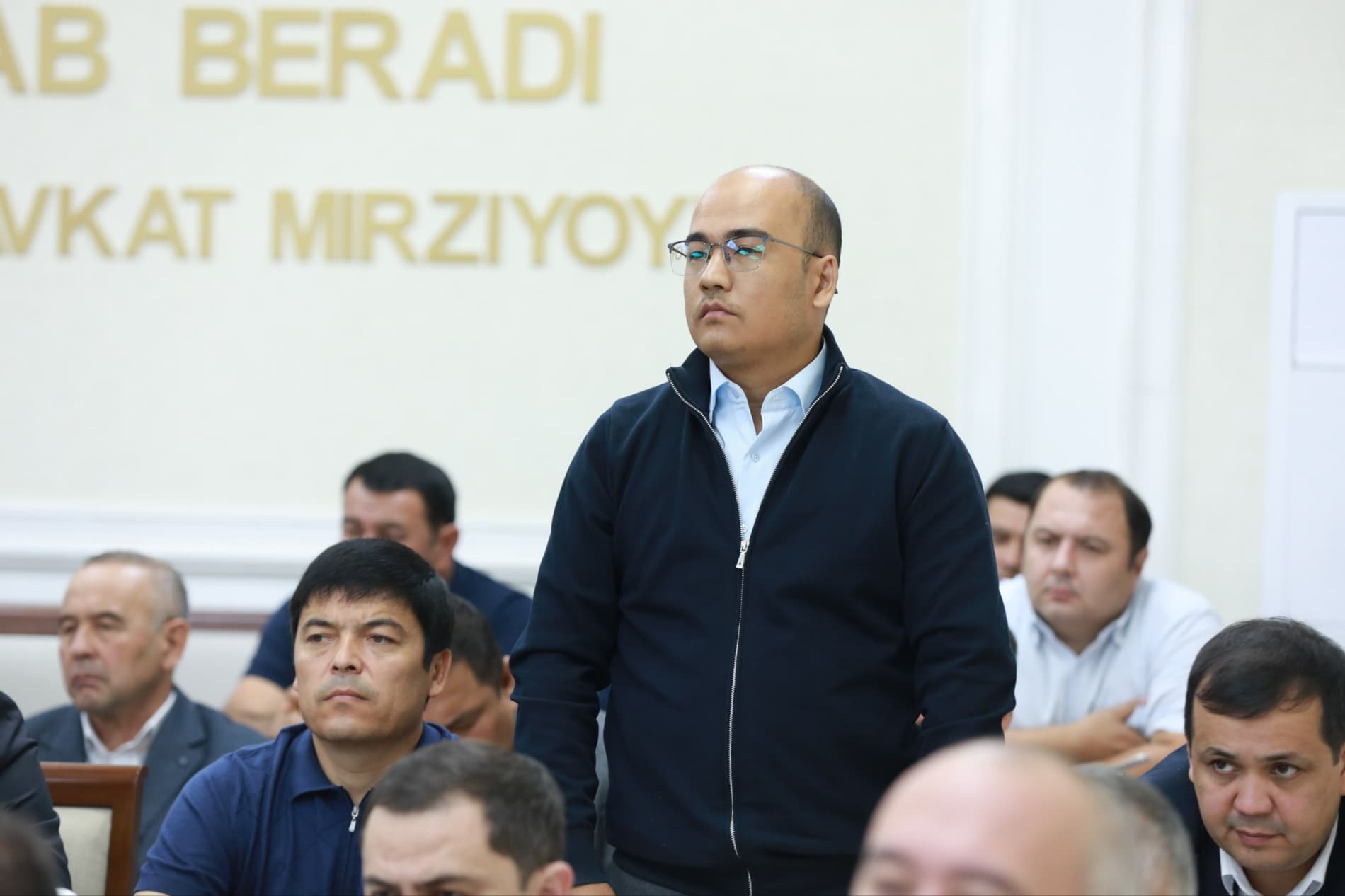
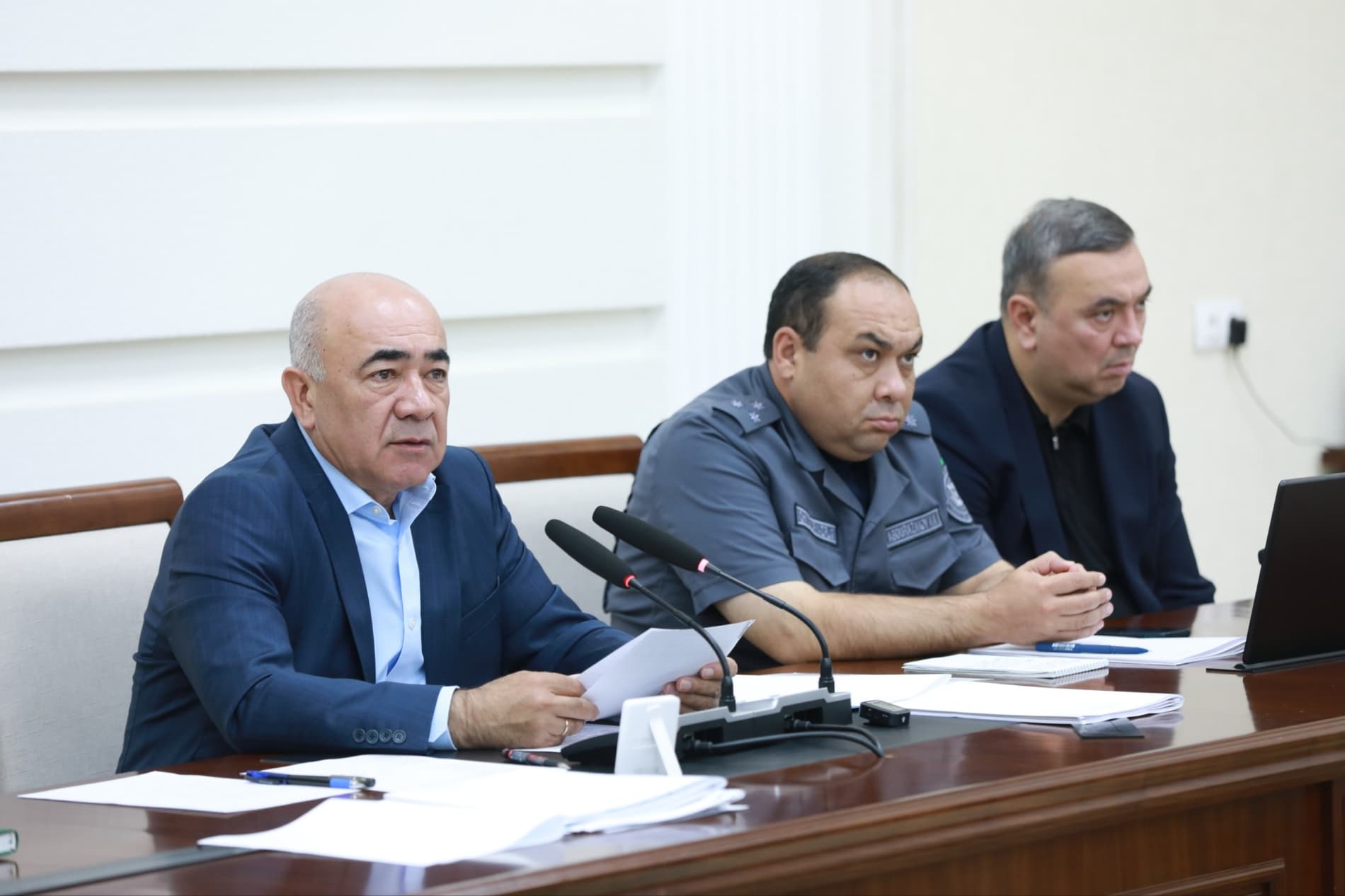
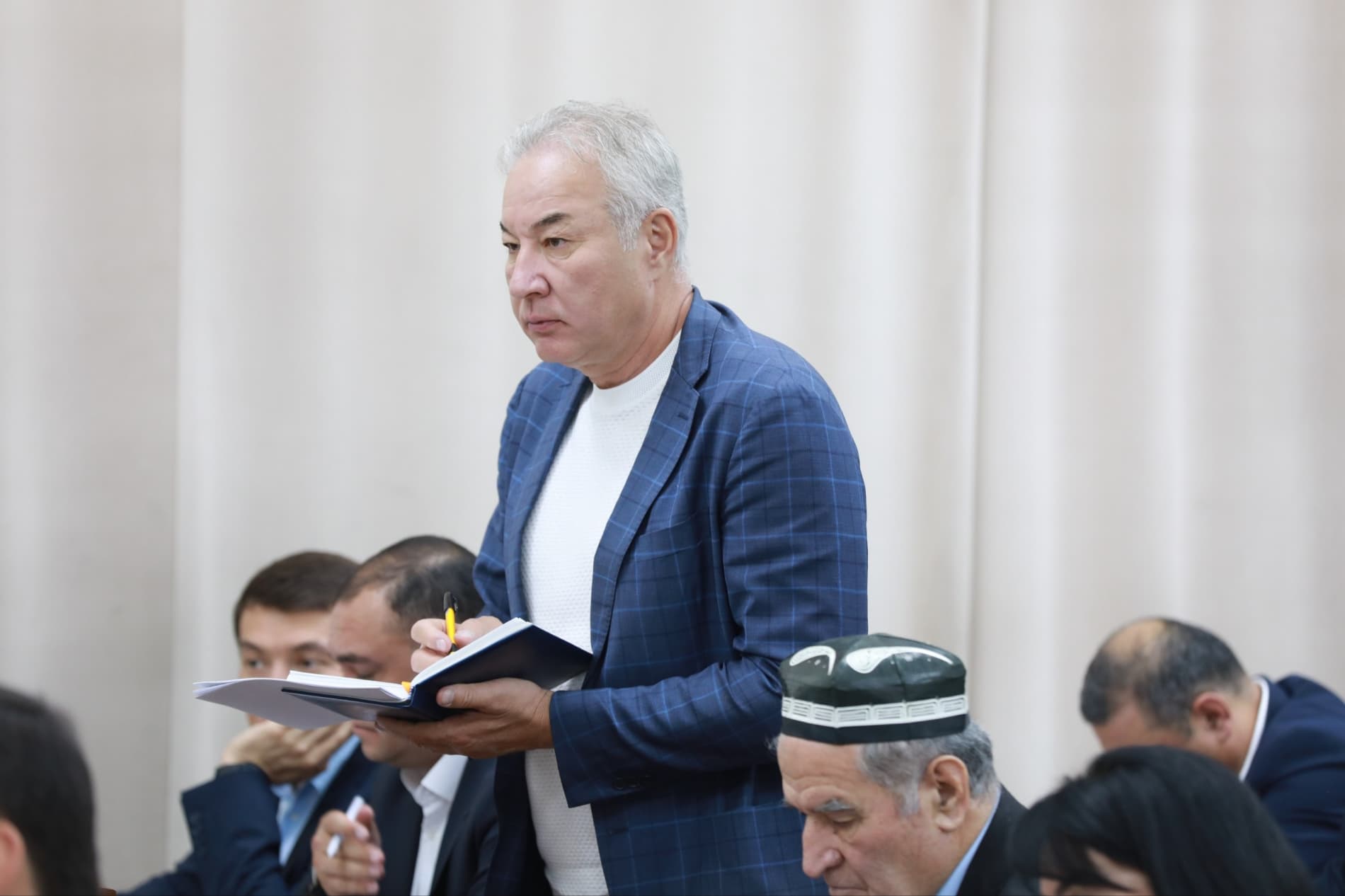
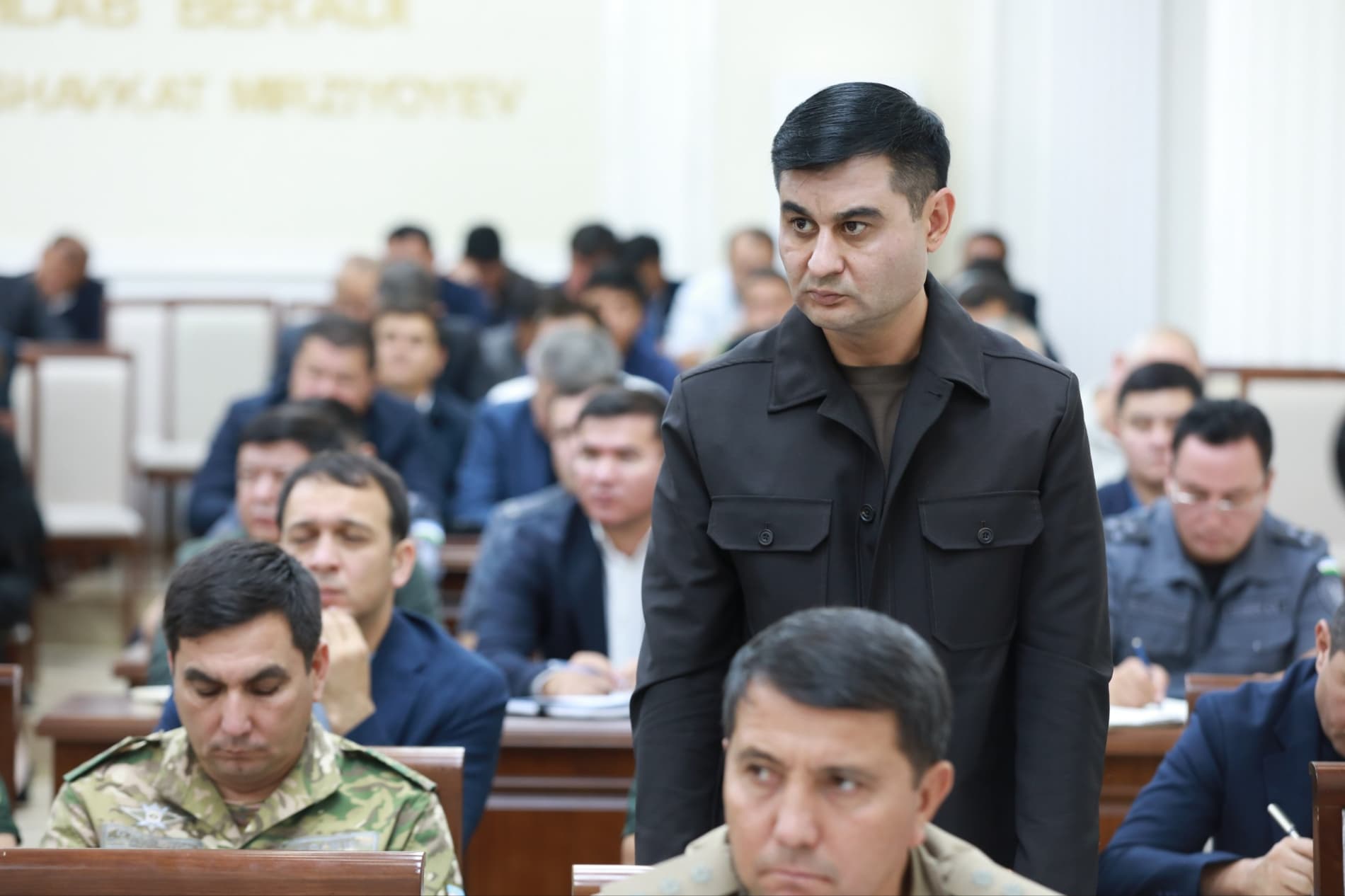
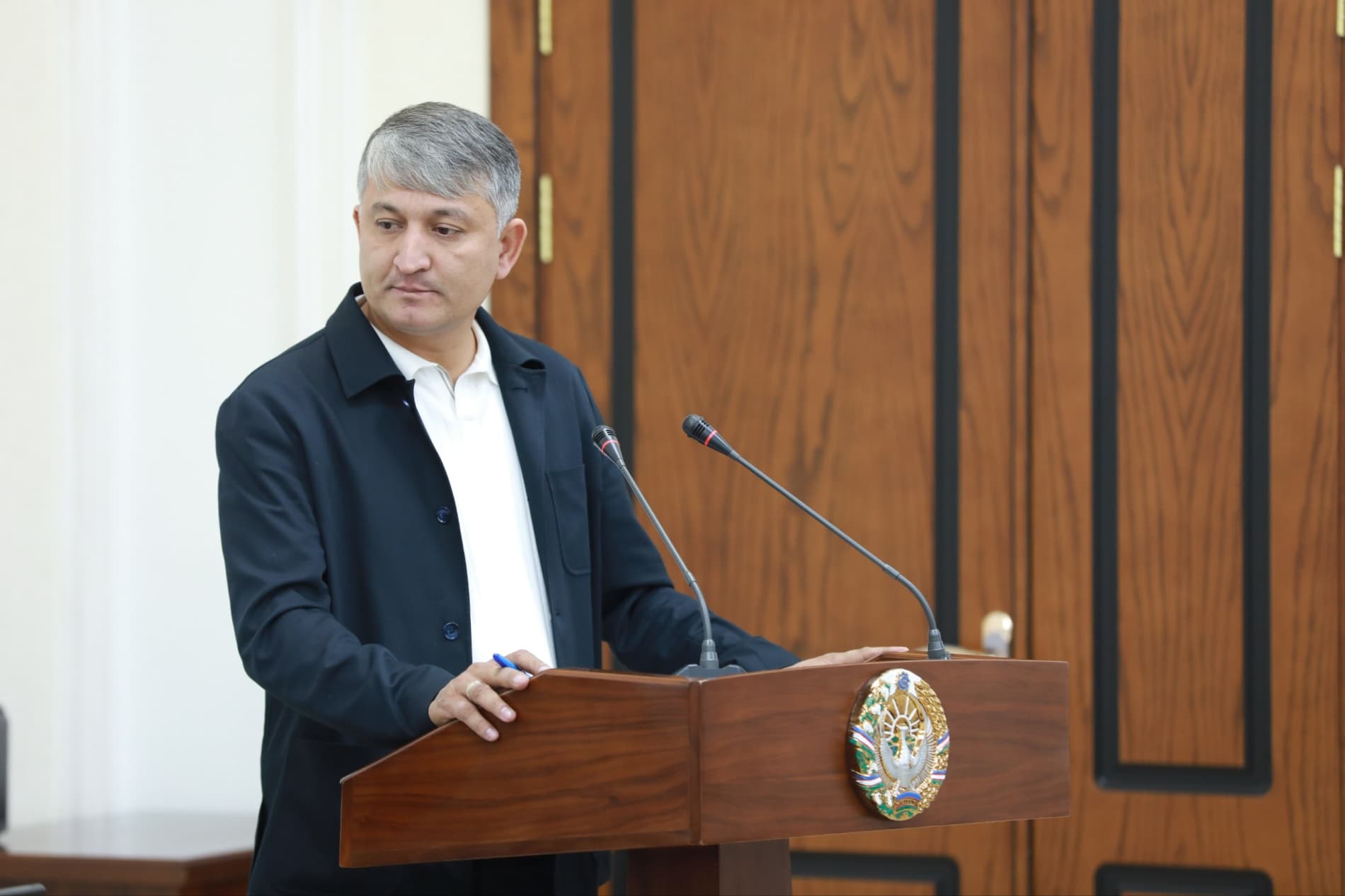
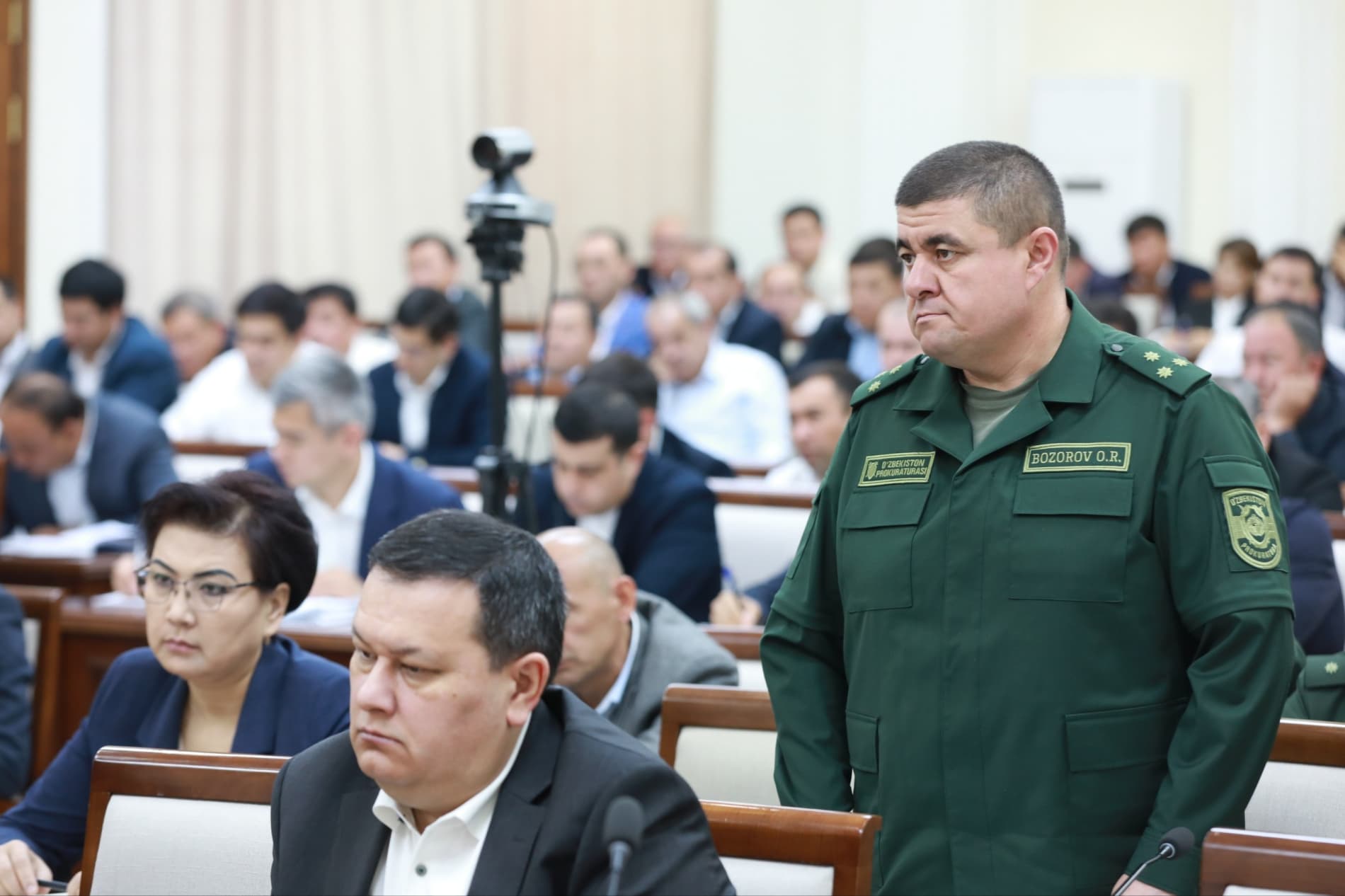
The next meeting of the “Mayor’s Hour” was held under the chairmanship of Zoyir Mirzayev, Governor of Tashkent Region.
The meeting focused on the socio-economic development of the region, increasing household incomes, reducing poverty, and ensuring youth employment. These issues were discussed in a critical and analytical manner.
Particular attention was first given to the effectiveness of measures being implemented to sustainably increase household incomes and reduce poverty. As part of the implementation of instructions given by the Head of State at video conference meetings held on September 3 and 9 of this year, an “emergency regime” has been declared in the region.
In line with the tasks set, 584,000 out of 717,000 households in the region, or 81 percent, have currently been surveyed. The sources of family income, employment status, and available opportunities are being studied for each of these households, and measures are being taken to address identified problems in a targeted manner.
Regional-level officials have been assigned to 92 mahallas with high poverty rates, with specific tasks established for each area. To date, practical work has begun in 71 mahallas, or 77 percent of them.
At the same time, it was noted that in 21 mahallas, efforts to fully implement the assigned tasks have not yet been organized at a sufficient level.
In this regard, instructions were given to strengthen an outcome-oriented approach in the mahallas by working individually with each household, making effective use of available opportunities, ensuring that people have sustainable sources of income, and helping families move out of poverty.
The meeting also paid special attention to youth employment. This year, employment has been secured for 72,500 of the 77,372 graduates who completed educational institutions.
However, the employment situation of 4,800 young people, or 6 percent, remains an issue requiring attention.
Responsible officials were instructed to work individually with each of these young people, guide them toward suitable employment opportunities based on their knowledge, skills, professions, and interests, and strengthen targeted measures to involve them in entrepreneurship and vocational training.
As noted during the “Mayor’s Hour,” the main criterion is not the number of completed tasks, but the concrete results they produce in people’s lives.
Therefore, it was emphasized that the implementation of assigned tasks should be monitored at the level of every mahalla, every household, and every young person.
Following the discussions, specific tasks and deadlines were set for responsible officials for each item on the agenda. Relevant instructions were issued to ensure the implementation of assignments, resolve problems on the ground without delay, and complete the planned work qualitatively and on time.