
A New Phase of Digitalization and Artificial Intelligence Development Begins in Tashkent Region
2026-07-03 19:50:00 /
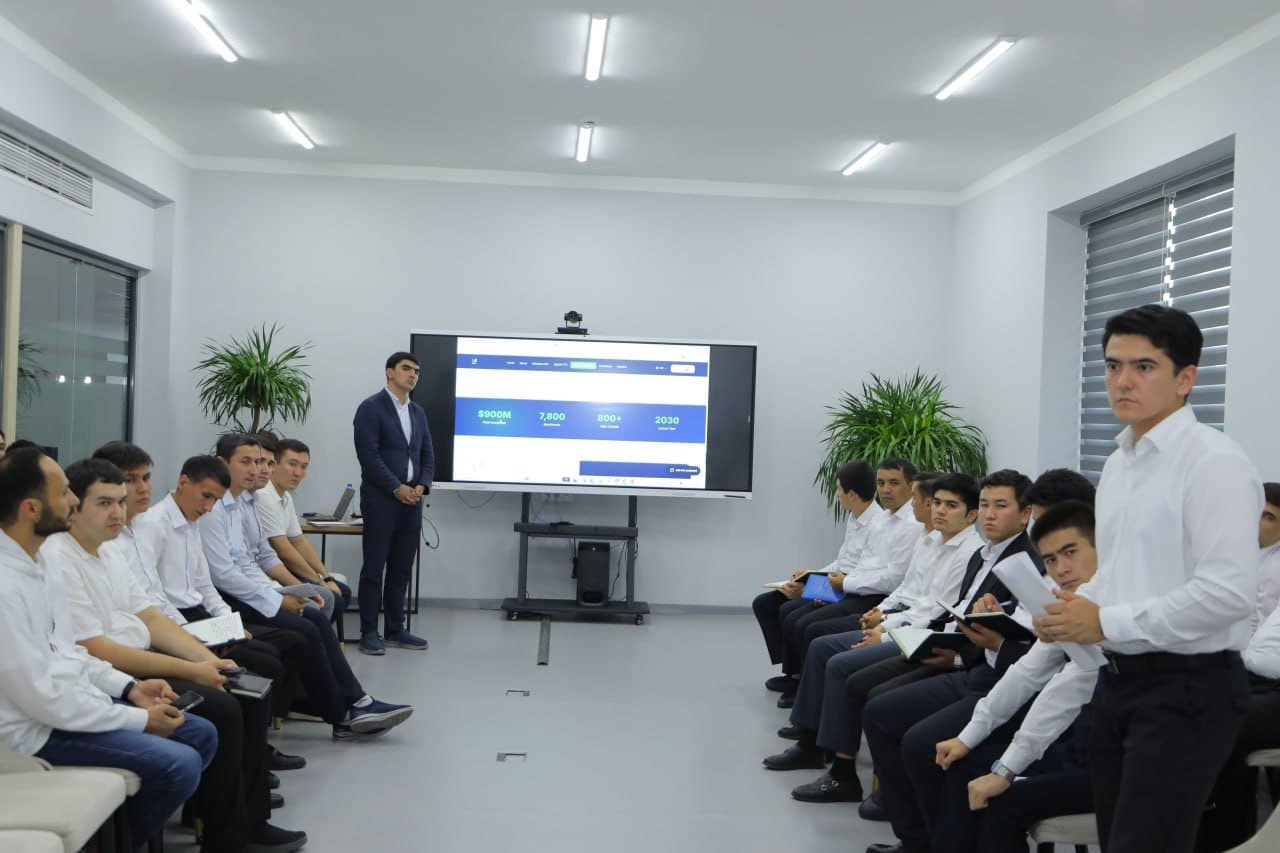

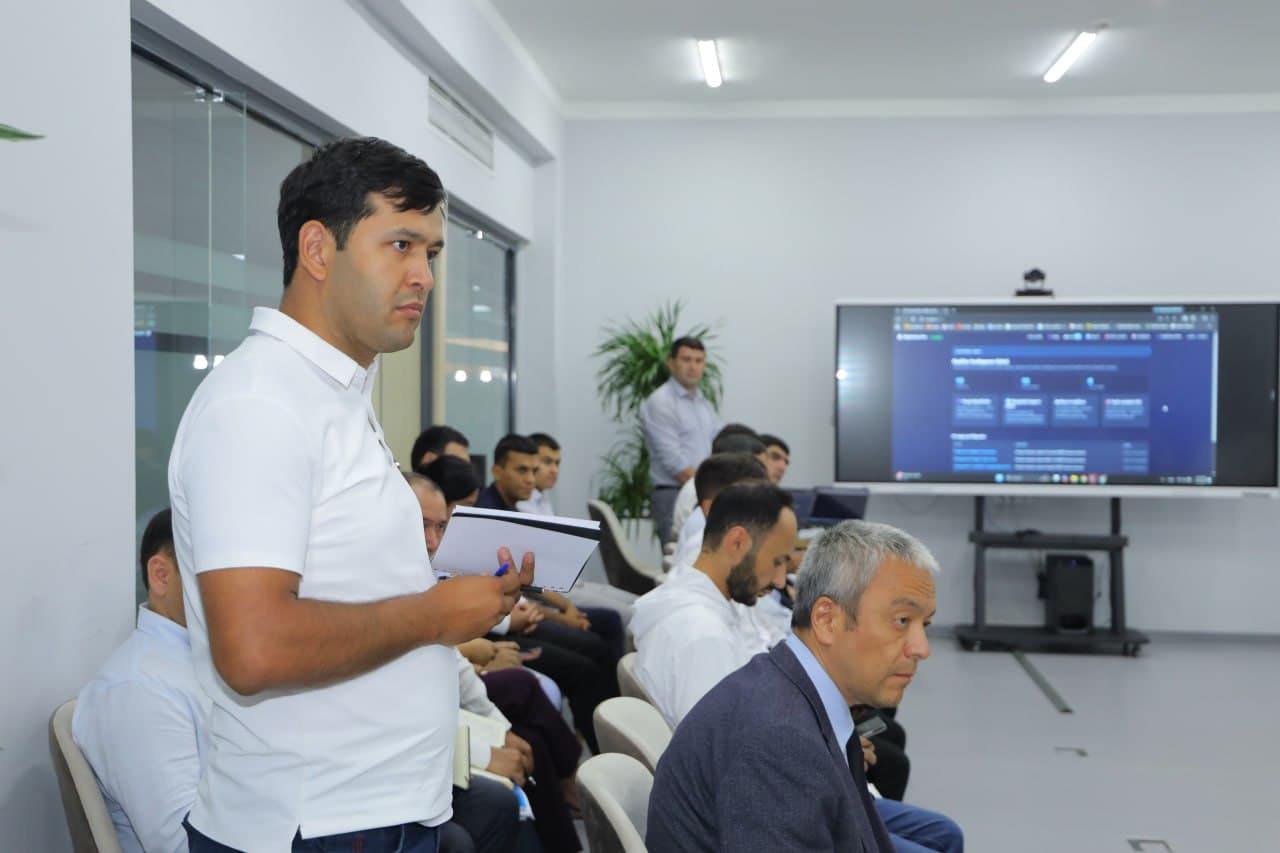
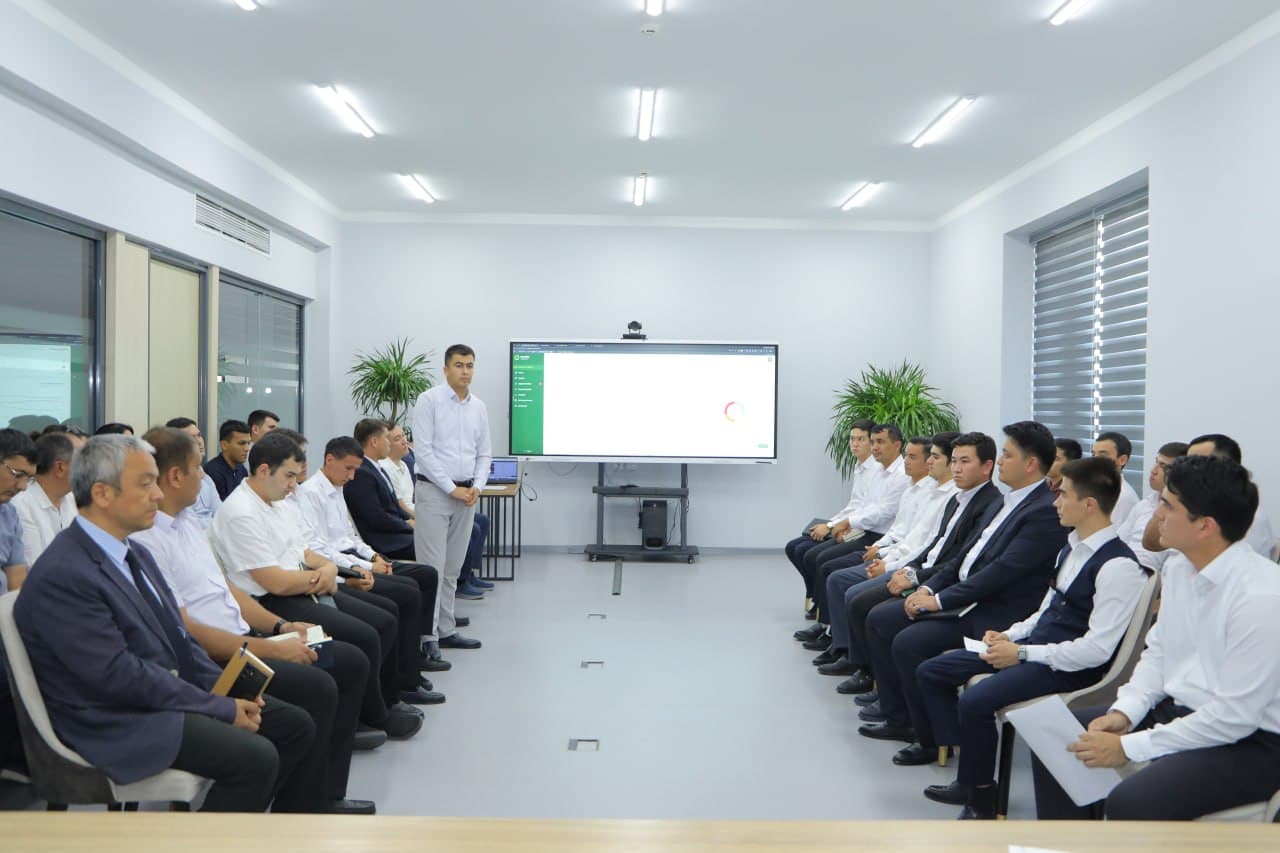
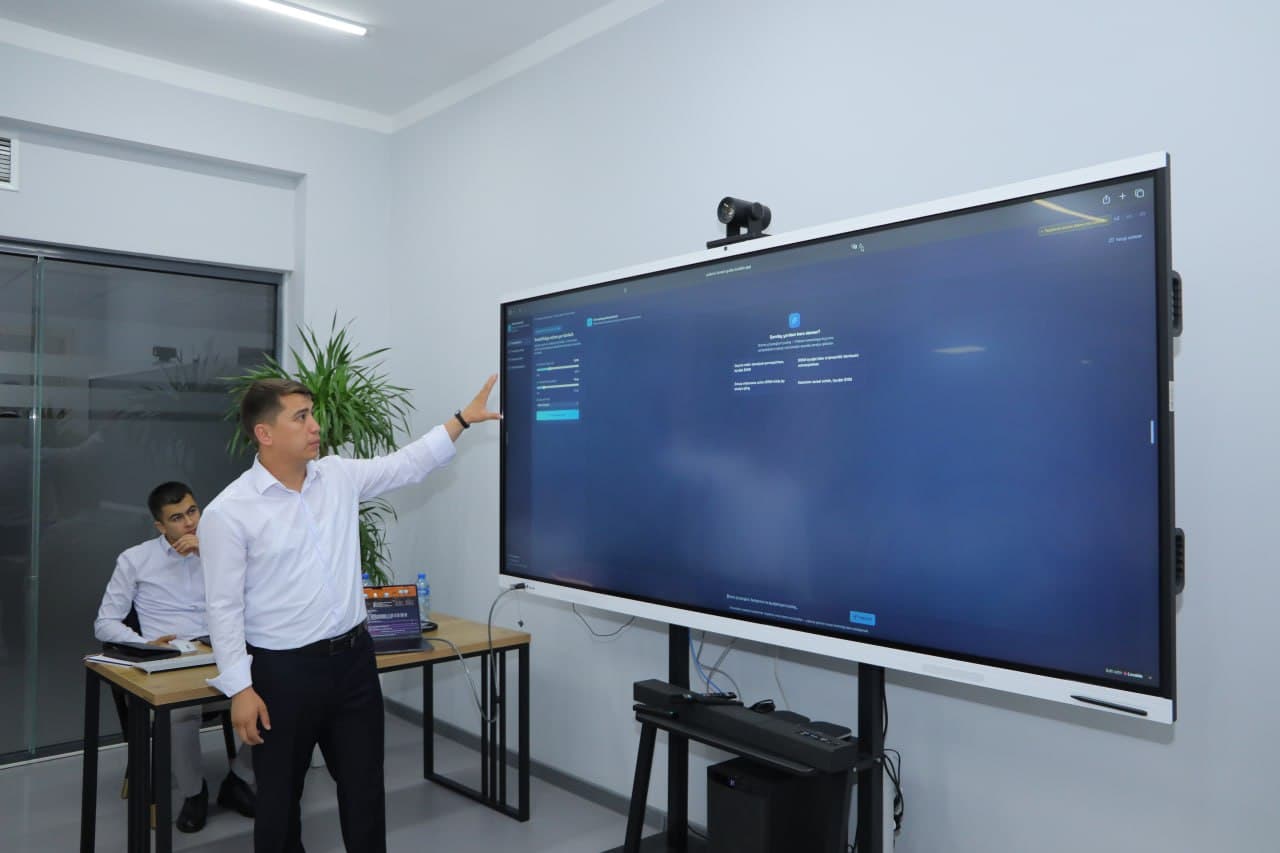


An expanded meeting was held under the leadership of Tashkent Region Governor Zoyir Mirzayev with the participation of advisers to city and district governors responsible for digitalization and artificial intelligence development.
The meeting, held at Cyber University, focused on implementing the priority tasks set by the President of the Republic of Uzbekistan to develop the digital economy, widely introduce modern information technologies and artificial intelligence solutions into public administration, and improve efficiency across all sectors.
The event was also attended by the First Deputy Governor of the region responsible for digitalization, Otabek Tursunov.
It was emphasized that digitalization has become a key factor in improving not only the quality of public services but also the openness, transparency, and efficiency of public administration. In particular, the effective use of artificial intelligence technologies creates broad opportunities for data-driven decision-making, handling citizens’ appeals, assessing human resource capacity, ensuring the efficient allocation of resources, and promoting the comprehensive development of local communities.
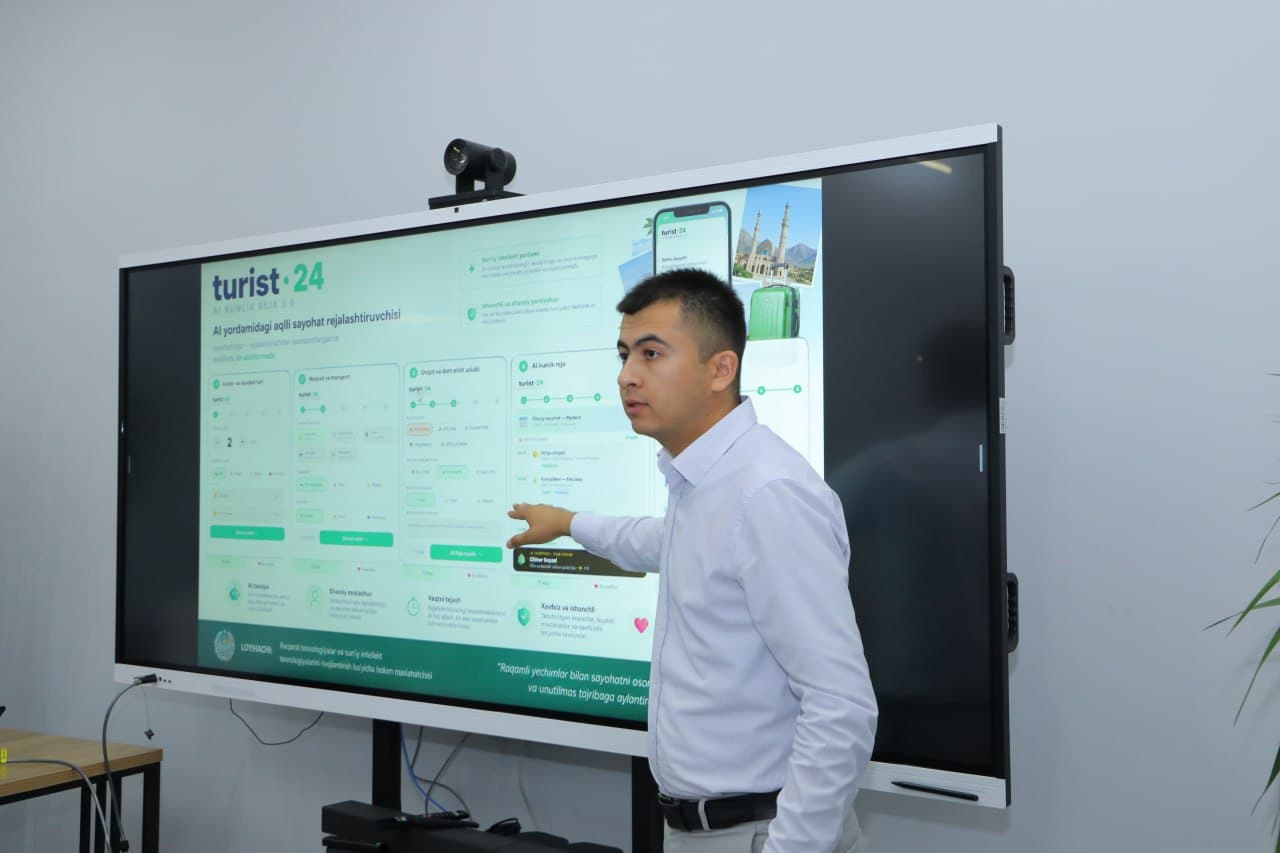
During the meeting, presentations were delivered on more than ten innovative projects that are planned to be implemented in the region in stages, including Green City, Digital Ambassadors (Raqamli Elchilar), Kadr AI, Electronic Government (Elektron Hokimiyat), Turist24, AgroPiskent, and several other initiatives.
The projects place particular emphasis on digitalizing environmental monitoring, delivering public services through unified electronic platforms, improving human resource management with the help of artificial intelligence, strengthening communication with citizens, and establishing a data-driven governance system.
Governor Zoyir Mirzayev stressed that digitalization advisers in every city and district should serve as the initiators and practical implementers of these reforms. He noted that each project must address the specific needs of local communities, deliver tangible results, create greater convenience for residents, and further enhance the effectiveness of public administration.
At the conclusion of the meeting, officials were assigned specific tasks to accelerate digital transformation across cities and districts and to expand the implementation of artificial intelligence technologies in public administration, education, healthcare, public utilities, and other priority sectors.