The Role of Gender Equality in Combating Corruption at the Center of Discussions
2026-05-15 14:45:00 /
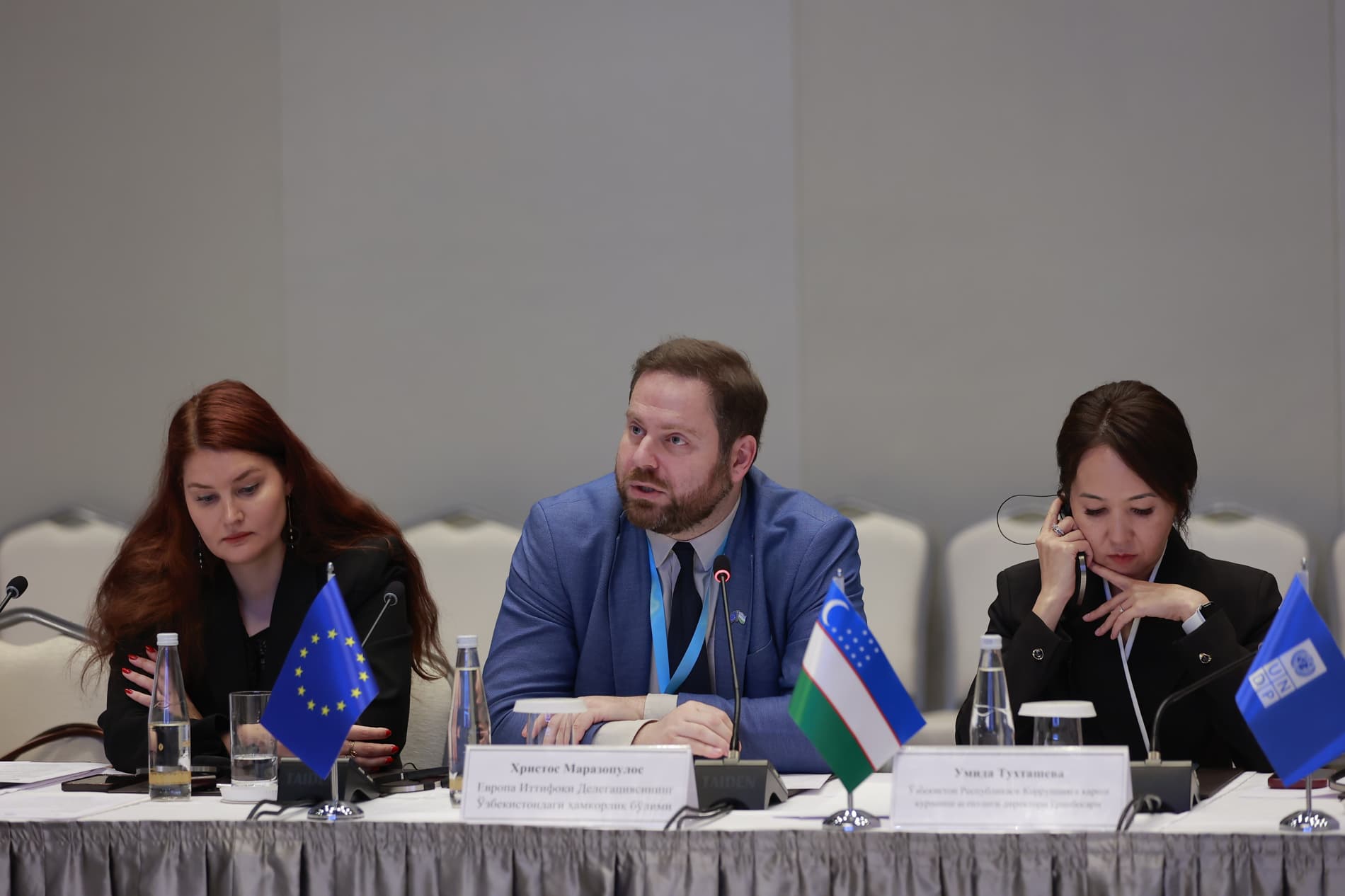
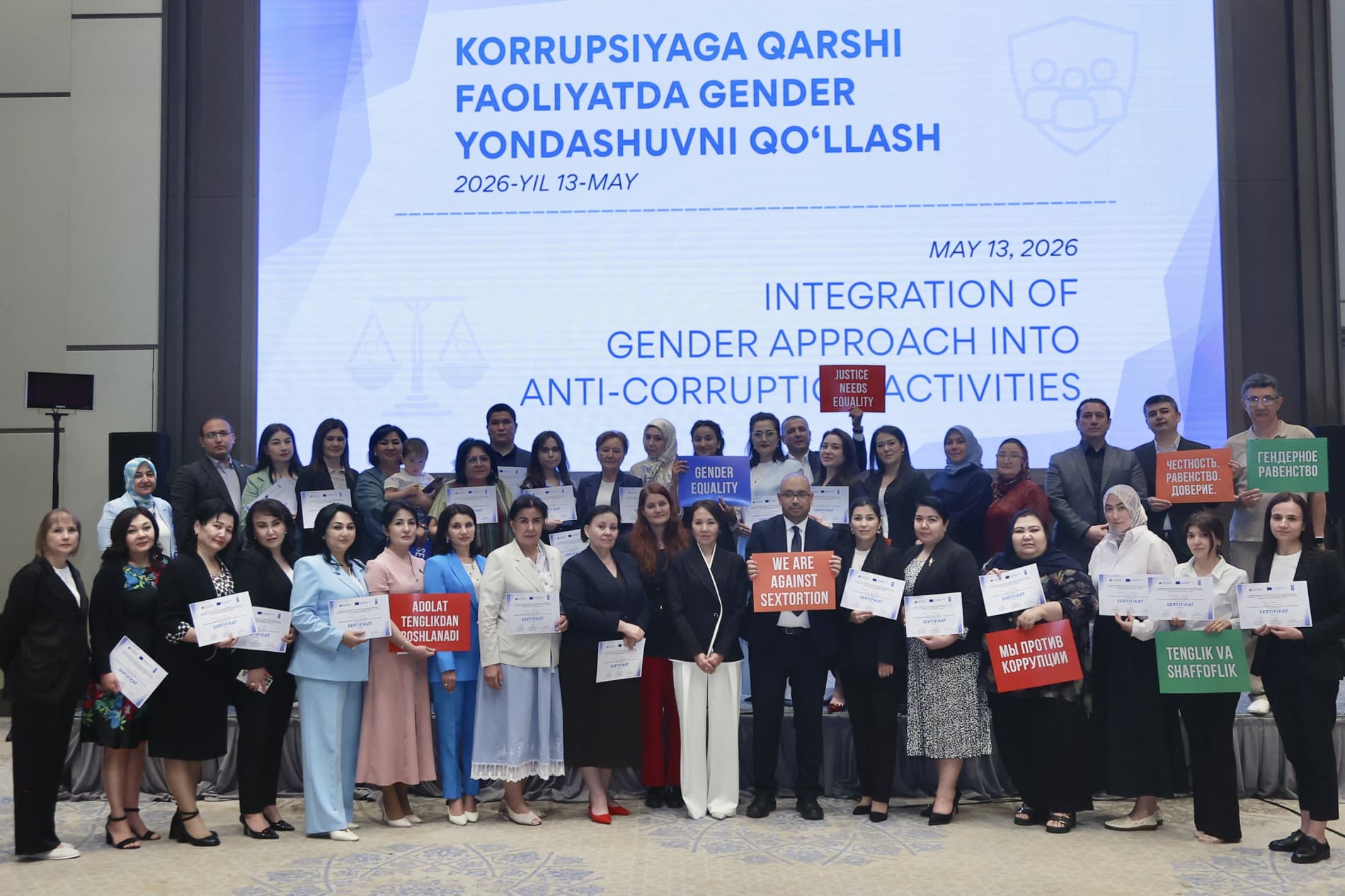
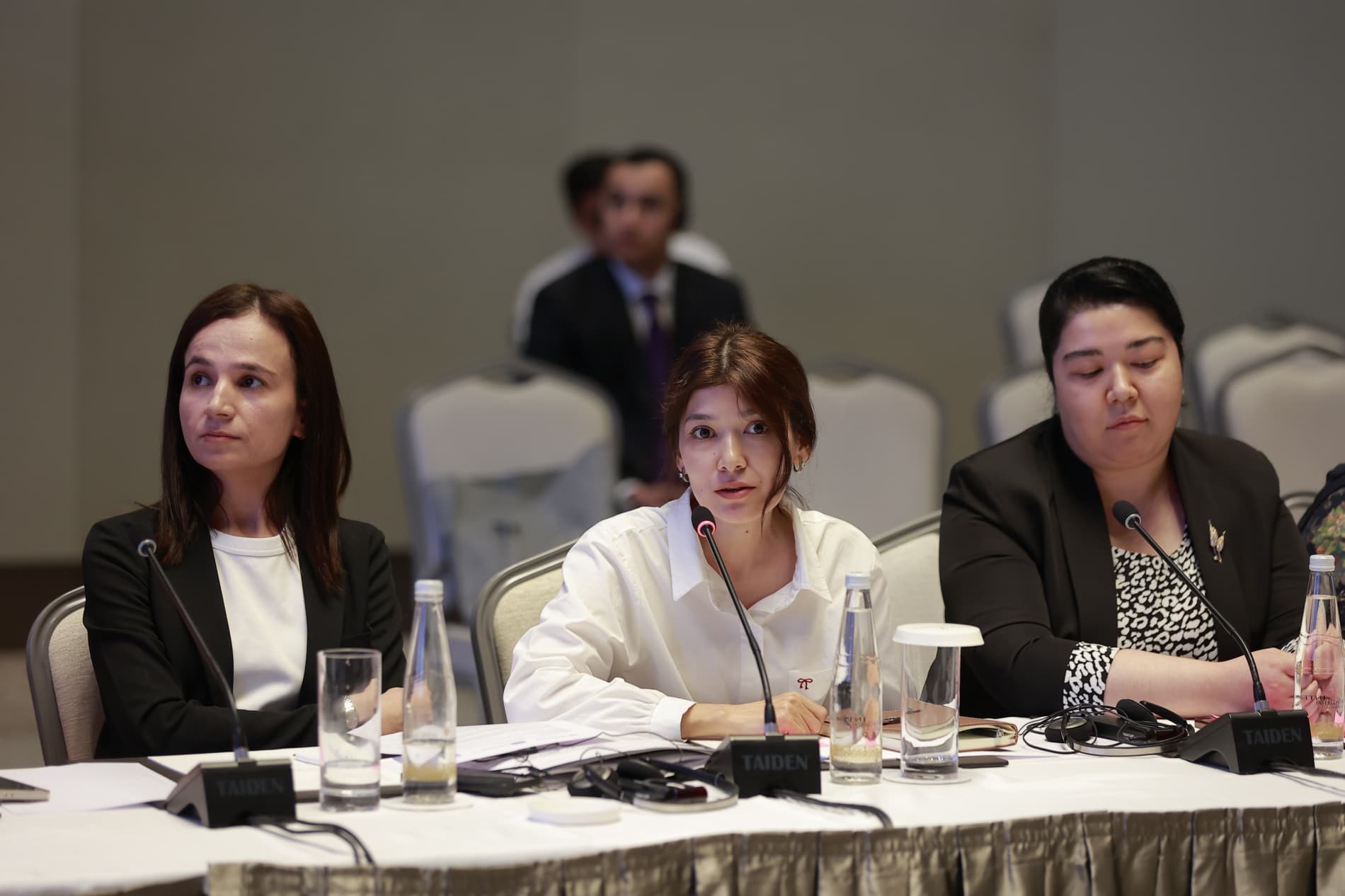
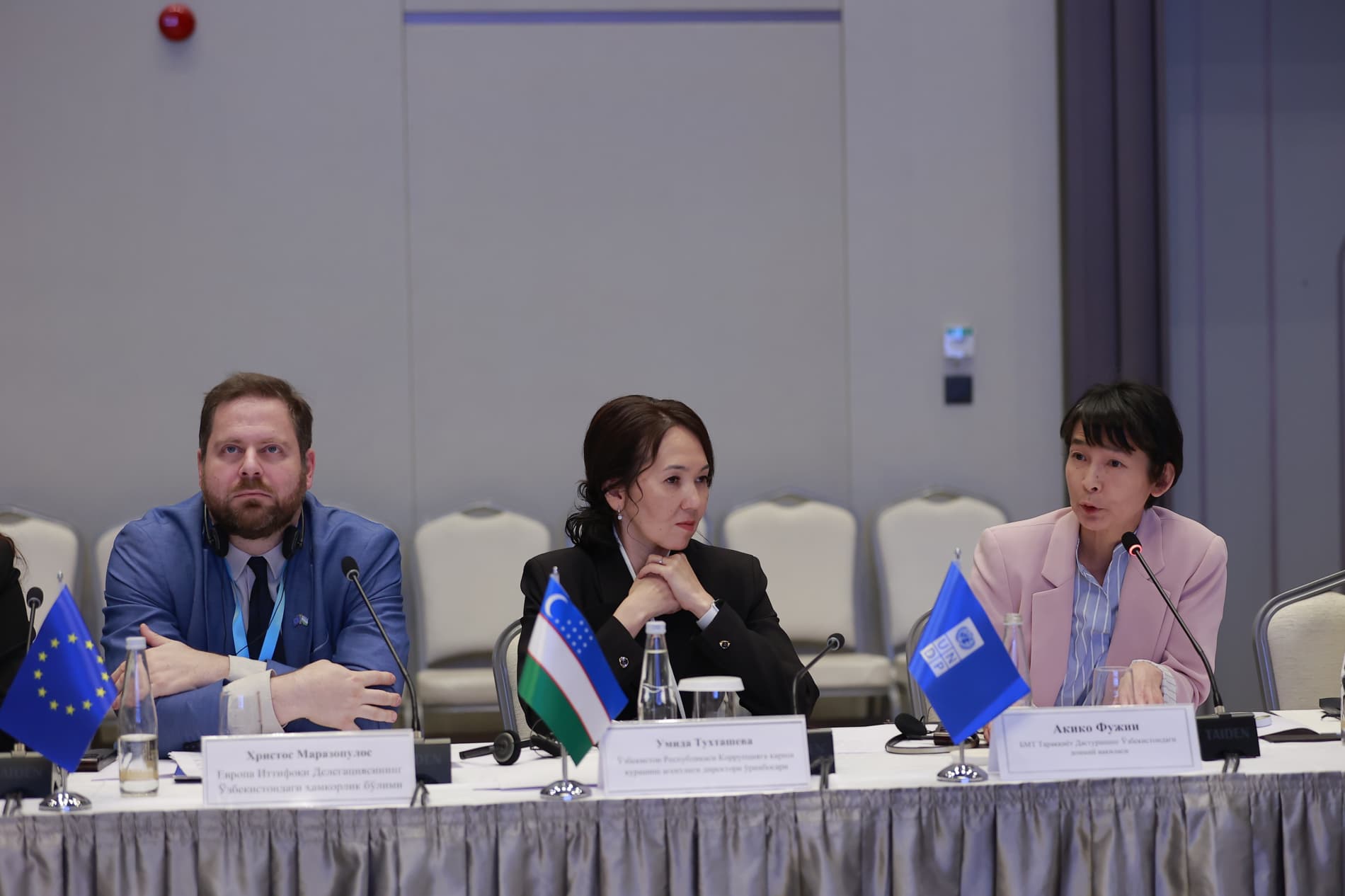
The United Nations Development Programme (UNDP) in Uzbekistan, in cooperation with the Anti-Corruption Agency and with financial support from the European Union, organized a practical training on “Applying a Gender Approach to Anti-Corruption Activities.” The training brought together women-led NGOs, representatives of government agencies, and civil society activists. The event aimed to foster a deeper understanding of how corruption affects women and men differently and to make anti-corruption measures more inclusive, transparent, and effective.
During the training, participants discussed practical approaches to identifying and preventing gender-related corruption risks, as well as ways to apply gender-sensitive approaches in anti-corruption policies and professional activities. The sessions emphasized that corruption should be understood not only as bribery or financial misconduct, but also as the abuse of power through pressure, dependency, misuse of influence, coercion, and sexual exploitation. Discussions also referred to the United Nations Convention against Corruption (UNCAC) and Uzbekistan’s anti-corruption legislation.
Special attention was given to the fact that corruption affects women and men differently due to unequal access to resources, services, decision-making, and economic opportunities. Participants discussed corruption risks in the fields of healthcare, education, social protection, business, and public procurement, as well as the consequences of informal payments, abuse of office, and political influence. Particular emphasis was placed on sextortion — a hidden form of corruption involving demands for sexual favors in exchange for services or opportunities — and on the factors that prevent victims from reporting such cases.
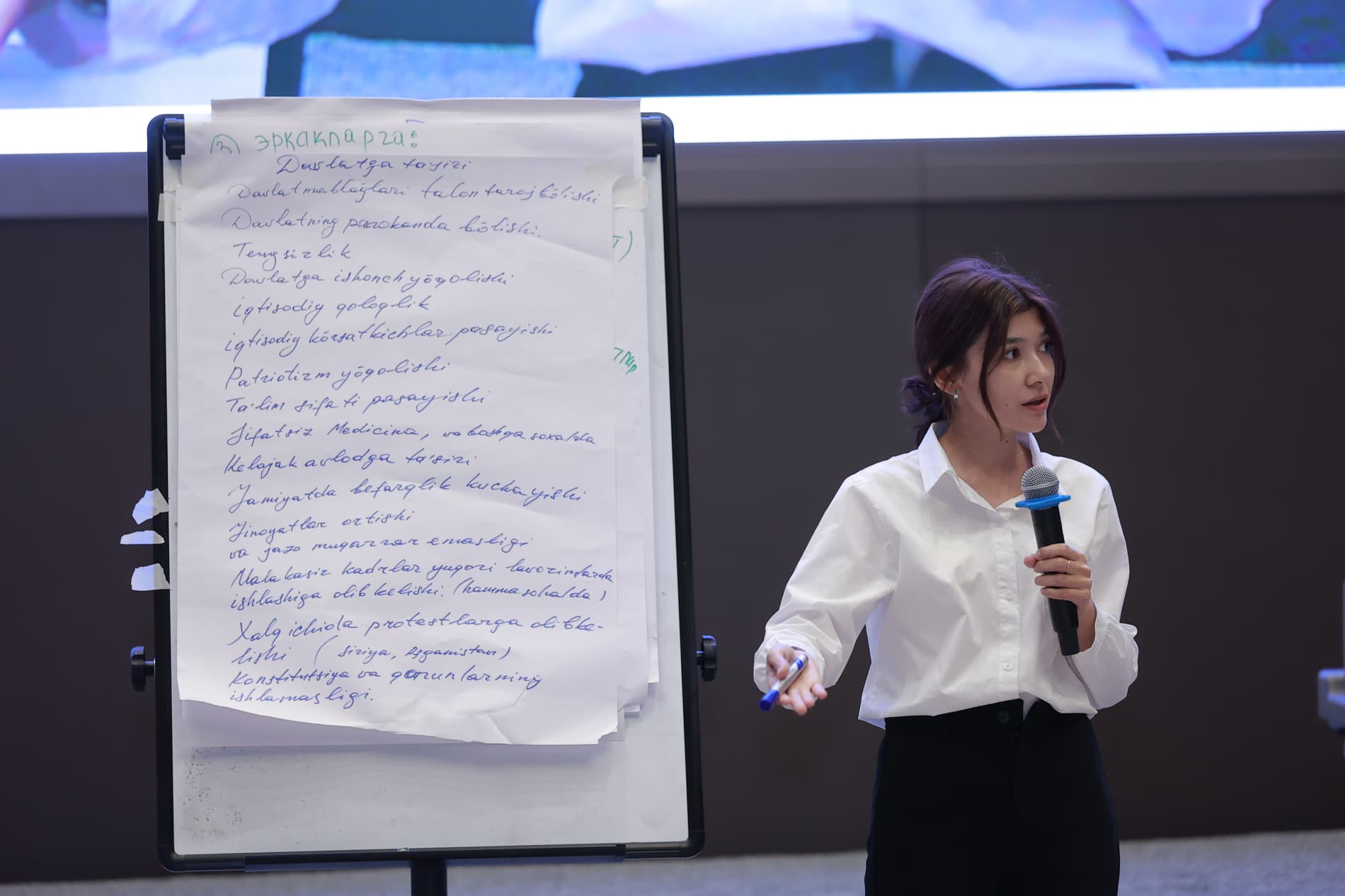
The programme also addressed broader factors contributing to the persistence of corruption, including weak transparency and accountability systems, economic inequality, and the normalization of corrupt practices within society. Through case studies and group exercises, participants explored practical solutions such as safe reporting mechanisms, stronger protection measures, transparent procedures, digital tools, and enhanced cooperation between government institutions and civil society. A separate session highlighted that gender equality is a key foundation for effective governance, public trust, and sustainable development.
Mahfuza Nosirova, head of the NGO “Azim Tafakkur,” noted that the training provided participants with “a new perspective on the link between corruption and gender inequality” and helped them better understand how corruption risks affect women and vulnerable groups in everyday life. She particularly emphasized the value of practical case studies and interactive exercises, noting that the knowledge gained would be useful for improving legal awareness and increasing sensitivity to corruption risks.
Nargiza Lutfullayeva, Chief Specialist of the Compliance Service Department of the Tashkent Regional Administration, stated that the training was “especially useful for exchanging experience and establishing new professional connections” between representatives of government institutions and civil society. She also noted that the practical exercises helped strengthen the skills needed to promote gender-sensitive anti-corruption approaches.
The event was organized within the framework of the project “Strengthening the National Anti-Corruption Ecosystem in Uzbekistan,” implemented by UNDP and the Anti-Corruption Agency with financial support from the European Union. The project aims to support anti-corruption reforms in Uzbekistan by strengthening institutional capacity, promoting transparency and accountability, expanding public participation, and advancing inclusive and evidence-based approaches to preventing and combating corruption.