
🌳 USING TRAPPING BANDS TO CONTROL PESTS IN ORCHARDS
2026-10-09 15:00:00 / News
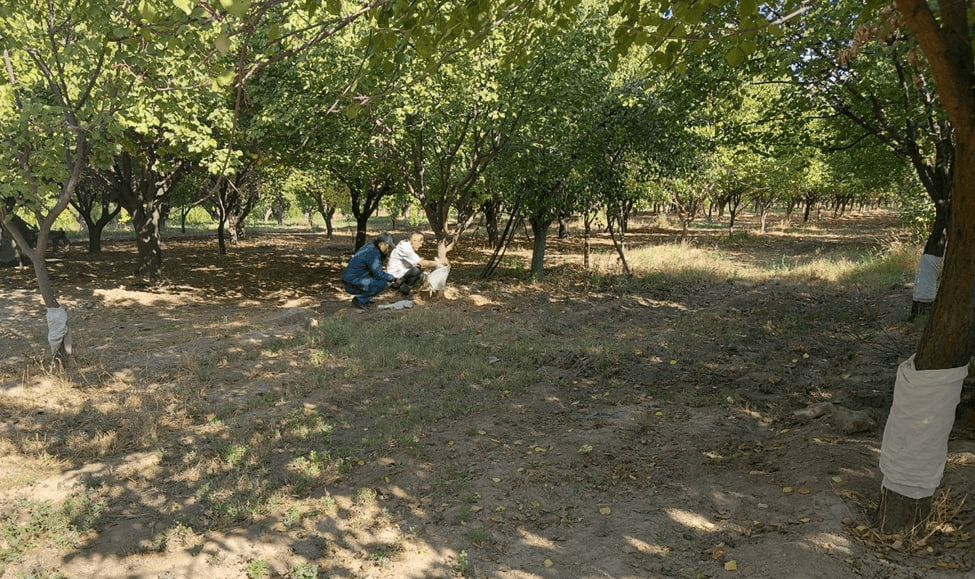
🍎 Autumn care is the key to a plentiful harvest next year!
Protecting fruit trees from pests and diseases in autumn is an important agricultural practice. Timely pest control during the period when insects prepare for overwintering helps safeguard the following year’s harvest.
🌿 What is a trapping band?
A trapping band is a special material wrapped around a tree trunk. This mechanical protection method works by trapping pest larvae and caterpillars as they move along the trunk and enter the band.
🔧 How is a trapping band installed?
✅ Straw, burlap, hemp, foam rubber or other suitable materials may be used to make the band.
✅ The band is usually 20–25 cm wide and is attached to the tree trunk at a height of 40–45 cm above the ground.
✅ Before installation, the relevant section of the trunk should be cleared of dry and loose bark.
✅ The band should be secured in a way that allows pests to enter and become trapped inside it.
🐛 Important!
Pest larvae and caterpillars may enter the band, hide there or develop into pupae. Trapping bands must therefore be inspected and cleaned regularly.
📌 Recommendations from specialists:
🔹 Inspect the bands and remove trapped pests every 5–6 days.
🔹 Bands containing accumulated pests should be safely treated or disposed of.
🔹 It is also important to remove weeds from around the trees, retain soil moisture, and apply organic and mineral fertilisers in appropriate amounts.
⚠️ Please note: if trapping bands are not inspected regularly, they may become a favourable breeding place for pests. If chemical treatment is necessary, use only approved products and follow the recommendations of qualified specialists.
🌱 Remember: a healthy orchard means a high-quality and plentiful harvest!
Pakhtachi District Division of the Main Department for Food Safety of Samarkand Region