STATUS OF WORK WITH YOUNG PEOPLE AND SUPPORT FOR TALENTED YOUTH
2026-09-14 14:35:00 / Press conferences
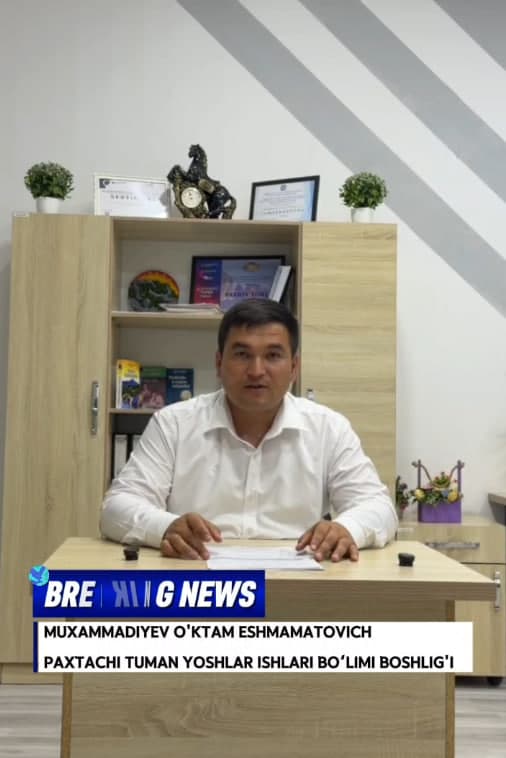
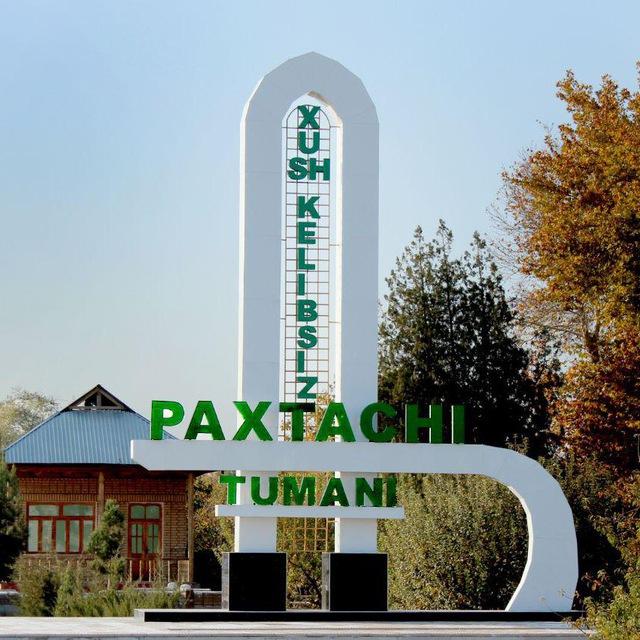
Systematic measures are being implemented in Pakhtachi District to fulfill the tasks set in the field of youth policy, ensure youth employment, organize meaningful leisure activities, support talented young people, and provide targeted assistance to youth in need of social protection.
Currently, Pakhtachi District has 51 mahallas, with 73,587 young people aged 0–30 living in them. Of these, 38,139 are young people aged 14–30.
Youth Balance
According to the “Youth Balance,” of the 38,139 young people aged 14–30:
-
34,449 (90.3%) are in the “green” category;
-
3,423 (9%) are in the “yellow” category;
-
501 (1.3%) are in the “red” category.
1. Work with Unemployed Youth
Based on the Youth Balance, 294 unemployed young people were identified. They were individually assigned to 23 officials, and individual employment programs were developed for each of them.
To date, employment has been ensured for 293 young people.
Including:
-
185 were placed in permanent jobs;
-
8 received loans for entrepreneurship;
-
26 were registered as self-employed;
-
19 received training in vocational and modern professions;
-
1 was allocated agricultural land;
-
28 received equipment;
-
12 were sent abroad through organized labor migration programs;
-
12 were sent for compulsory military service;
-
2 were involved in education.
2. Work with Youth Under Mentorship
In the district, 207 young people with challenging behavior or a tendency to commit offenses and crimes were individually assigned under the mentorship of leaders of law-enforcement and defense agencies, as well as district leadership.
In addition, teams of responsible officials have been established at the regional and district levels to coordinate work with young people.
In particular:
-
within the internal affairs system, 150 young people were assigned to 16 responsible officials;
-
within the emergency management system, 21 young people were assigned to 3 responsible officials;
-
within the prosecutor’s office system, 14 young people were assigned to 2 responsible officials;
-
within the district administration, 22 young people were assigned to 1 responsible official.
All 207 young people under mentorship were met by the responsible officials, and individual programs aimed at resolving their problems were developed.
As a result of the practical measures taken, positive results were achieved for 203 young people (98.6%).
In particular:
-
48 were removed from probation and preventive monitoring;
-
40 demonstrated positive changes in behavior;
-
113 were placed in permanent employment;
-
2 received assistance in other areas.
3. Crime Situation among Young People
In 2025, young people in the district committed 59 crimes, involving 61 young people. Compared with 2024, this figure decreased by 10.6%, or 7 crimes.
During the first 6 months of 2026, 9 crimes were committed by 10 young people.
During the same period of 2025, 14 crimes were committed by 11 young people, meaning that the number of crimes decreased by 35.7%.
4. Young People Returning from Military Service
In the district, 116 young people returning from military service have been assigned to district leaders.
To date, 114 of them (98%) have been provided with employment or other forms of engagement.
Including:
-
20 were placed in permanent jobs;
-
2 received loans for entrepreneurship;
-
2 were sent abroad through organized labor migration programs;
-
1 was allocated agricultural land;
-
18 continue military service under contract;
-
5 received equipment;
-
4 were employed by the internal affairs bodies, National Guard, Emergency Situations Department and State Security Service;
-
13 became self-employed;
-
15 received training in vocational and modern professions;
-
34 were involved in education.
5. Unemployed Youth Engaged in Combat Sports
Following an inventory of young people engaged in combat sports, 12 unemployed young people were identified in the district.
To date, employment or other forms of engagement have been ensured for 9 of them.
In particular:
-
Eshdavlatov Abror Zafarovich was allocated land for a dehkan farm;
-
Abdurasulov Ogabek Elyorovich was employed at an auto service center;
-
Abduhakimov Shohrukh Abrorovich and Boboholov Tohirbek Oybekovich were admitted to higher education institutions;
-
Mamarasulov Sukhrob Abdusamad ugli, Yuldoshev Jonuzoq Bakhtiyorovich, Nasriddinov Elbek Shahobiddinovich and Karimov Diyorbek Burkhanovich became self-employed;
-
Utkirov Umidjon Uktam ugli obtained a national certificate for admission to higher education.
6. School Graduates
This year, 1,555 students graduated from general education schools in Pakhtachi District.
Of them:
-
70 received gold medals;
-
13 received silver medals;
-
18 graduates achieved a score of 189 points ahead of schedule and became university students;
-
65 young people obtained foreign-language proficiency certificates;
-
165 graduates obtained national certificates.
In addition, Nodir Fayzullayevich Eshboev, an 11th-grade student of General Education School No. 21, was admitted to the University of Minnesota in the United States, while Navruz Omonovich Rustamov, an 11th-grade student of School No. 32, was admitted to Princeton University in the United States.
Of this year’s 1,555 graduates, 1,512, or 97.2%, submitted applications for admission to higher education institutions.
7. Employment of Higher Education Graduates
This year, a total of 1,382 young people in the district graduated from higher education institutions.
Of them:
-
542 were placed in permanent jobs in the public and private sectors;
-
363 were engaged in self-employment, entrepreneurship loans and other areas;
-
477 were assigned to officials, with work organized to ensure their employment.
8. Loans Allocated to Young People
During the first half of 2026, commercial banks in the district provided UZS 20.6 billion in loans to 855 young people aged 18–30.
Including:
-
Family Entrepreneurship Program — UZS 6.0 billion for 362 young people;
-
under Presidential Resolution PQ-60 — UZS 136 million for 2 young people;
-
“First Step into Business” program — UZS 3.8 billion for 137 young people;
-
bank credit lines — UZS 7.9 billion for 323 young people.
As a result of the effective use of the allocated loans, 703 new jobs were created.
In addition:
-
UZS 165 million in educational loans were provided to 33 young people;
-
UZS 1.6 billion in mortgage loans were provided to 10 young families.
9. “Youth Notebook”
In 2026, 15 young people submitted applications through the “Youth Notebook” Fund, and all of them were included in the relevant list.
Of these, 15 young people studying at higher education institutions received a total of UZS 30 million to cover tuition fees.
10. Agricultural Land Allocated to Young People
In the district, 432.9 hectares of land have been allocated to 1,443 young people.
Young people are currently making effective use of these land plots and generating income.
11. Young People in Migration
Currently, 455 young people from the district are abroad for employment or education.
Of these:
-
396 went abroad for employment;
-
59 went abroad for education.
Young people working abroad:
-
Russia — 271;
-
Türkiye — 63;
-
Korea — 22;
-
Kazakhstan — 14;
-
USA — 6;
-
Germany — 4;
-
England — 3;
-
UAE — 2;
-
other countries — 11.
Young people studying abroad:
-
Russia — 24;
-
Korea — 12;
-
Türkiye — 6;
-
Germany — 7;
-
USA — 2;
-
Canada — 2;
-
England — 1;
-
other countries — 6.
12. “Five Initiatives Olympics”
During January–June 2026, 151 sports events were organized in the district, involving more than 46,444 people, including 15,832 women.
To organize sports competitions in the mahallas, two balls were allocated to each mahalla, with a total of 408 football, volleyball, basketball and handball balls distributed.
A total of 66,068 mahalla young people aged 10–30 registered on the electronic platform to participate in sports competitions held as part of the “Five Initiatives Olympics.”
In addition, 63,123 young people participated in mahalla-level competitions in draughts and chess, workout, traditional games, streetball, wrestling, athletics, mini-football and adaptive sports.
At the republican stage of the 2025 “Five Initiatives Olympics,” Pakhtachi District won 4 gold and 1 silver medal, taking first place among 208 districts and cities.
Gold Medal Winners:
-
Girls’ team aged 16–21 from Sardoba Mahalla — streetball;
-
Boys’ team aged 16–21 from Suluvqorgon Mahalla — streetball;
-
Girls’ team aged 22–26 from Suluvqorgon Mahalla — athletics;
-
Pakhtachi District team — gymnastics.
In addition, Mashhura Sunnatullaeva won a medal in the wrestling competition.
At the republican stage of the “Young Reader” competition, Temur Fakhriddinov from Amir Temur Mahalla took second place in the 10–14 age category and received a cash prize of UZS 75 million.
13. Educational and Development Projects for Young People
“Ibrat Farzandlari”
-
Users — 10,626;
-
Certificate recipients — 5,766.
“Mutolaa”
-
Users — 14,734;
-
Books read — 75,771.
“Ustoz AI”
-
Users — 3,392;
-
Certificate recipients — 876.
“Girls’ Academy”
-
Users — 4,043.
“UzChess”
-
Users — 2,215;
-
Puzzles solved — 8,087;
-
Games played — 1,179;
-
Certificates issued — 542.
“Ko‘mak” Project
As part of efforts to support educational centers specializing in foreign languages, 6 applications were received.
Of these, a total of UZS 520 million was allocated under 4 applications. Another 1 application is currently at the document preparation stage.
CONCLUSION
Overall, Pakhtachi District is achieving tangible results in youth policy by organizing targeted work with young people, ensuring employment for unemployed youth, involving them in entrepreneurship, providing vocational training, supporting access to education, encouraging talented young people, and working individually with youth in need of social protection.
Going forward, priority will be given to further strengthening work in the following areas:
-
individual work with young people in the “yellow” and “red” categories;
-
ensuring full employment for young people who remain unemployed;
-
helping higher education graduates adapt to the labor market;
-
supporting talented young people;
-
encouraging youth entrepreneurship initiatives;
-
preventing offenses and crime among young people.