
Rabies in Animals – A Highly Dangerous Infectious Disease
2026-03-05 09:00:00 / News
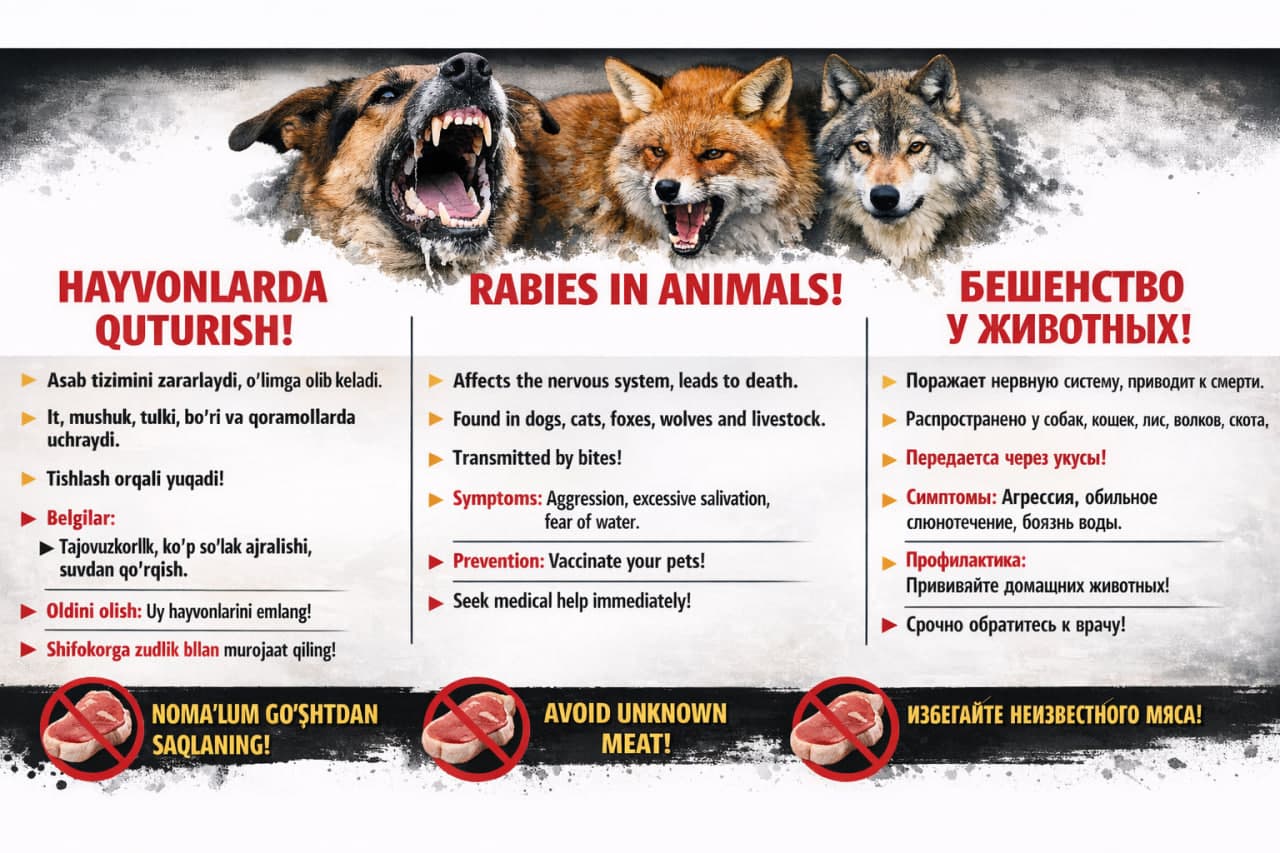
Rabies is an extremely dangerous viral disease that affects the central nervous system of both animals and humans. The disease is caused by the rabies lyssavirus. This virus is mainly transmitted through the saliva of infected animals and, once clinical symptoms appear, the disease almost always ends in death. Therefore, rabies poses a serious threat not only to animal health but also to public health.
Which Animals Are Affected?
Rabies can occur in both wild and domestic animals. The most common carriers include:
-
dogs and cats
-
wild carnivores such as wolves, foxes, and jackals
-
in some cases livestock such as cattle, sheep, goats, and horses
Wild animals are considered the natural reservoirs of the rabies virus. The disease can spread from wild animals to domestic animals and from domestic animals to humans.
How Is Rabies Transmitted?
Rabies is usually transmitted through the bite of an infected animal. The virus enters the body through wounds in the skin or mucous membranes via infected saliva. In rare cases, infection may occur when contaminated saliva comes into contact with an open wound.
Once inside the body, the virus travels along nerve fibers toward the brain. As it reaches the central nervous system, it causes severe inflammation of the brain.
The incubation period of rabies typically ranges from 10 days to 3 months, although in some cases it may be shorter or longer depending on the location and severity of the bite.
Clinical Signs of Rabies
Rabies generally occurs in two main forms:
1. Furious (Aggressive) Form
In this form, infected animals may show:
-
restlessness and unusual behavior
-
aggression and unprovoked attacks on people or other animals
-
excessive salivation
-
hypersensitivity to light and sound
In humans, one of the most characteristic symptoms is hydrophobia (fear of water).
2. Paralytic (Quiet) Form
This form is characterized by:
-
general weakness
-
difficulty swallowing
-
drooping of the lower jaw
-
progressive paralysis
-
eventual death
One of the most alarming aspects of rabies is that once clinical signs appear, treatment is almost impossible.
Prevention of Rabies
Preventive measures play a crucial role in controlling rabies. The following precautions are strongly recommended:
-
regular vaccination of dogs and cats against rabies
-
preventing contact between domestic animals and wild animals
-
avoiding contact with stray or suspicious animals
-
immediately washing bite wounds thoroughly with a 20% soap solution
-
seeking veterinary or medical assistance without delay
In many countries, rabies vaccination for dogs and cats is mandatory.
Important Warning for Humans
If a person is bitten by an animal suspected of having rabies, immediate medical attention is essential. Timely administration of the rabies vaccine can save a person’s life.
In addition, consumers should avoid purchasing or consuming meat and meat products of unknown origin in markets or shops. Meat that has not been slaughtered in certified slaughterhouses and has not passed veterinary inspection should not be consumed. The same precaution applies to milk and dairy products, which should only be obtained from sources that meet veterinary safety standards.
Public awareness, responsible pet ownership, and regular vaccination of domestic animals are key factors in preventing the spread of rabies.
X. Rajabova
Chief Specialist
District Department for Veterinary and Livestock Development