Today, people do not just want to ask questions—they want to express gratitude
2026-10-02 10:00:00 / News
Today, people do not just want to ask questions—they want to express gratitude
Twelve-year-old Roza has been putting socks on the feet of her mother, who has been bedridden for several days.
“Your feet are cold,” she says, looking into her mother’s eyes.
This is love.
Another citizen says:
“My father has turned eighty. An anniversary! I want to invite his old friends and make him happy.”
This, too, is love.
There are simple yet profoundly precious moments in human life. Lightening someone’s burden, feeling needed, being the cause of a loved one’s joy—these are, in essence, the simplest expressions of human happiness.
Being needed is happiness. Feeling that you are needed by someone is an even greater happiness.
Today, this deeply human feeling is acquiring ever greater significance in the relationship between the state and the people.
An appeal is not merely a question or a statement of a problem. Behind it lies a person’s fate, a family’s concern, and sometimes a long-awaited hope.
That is why the system of working with public appeals begins, above all, with listening to the person.
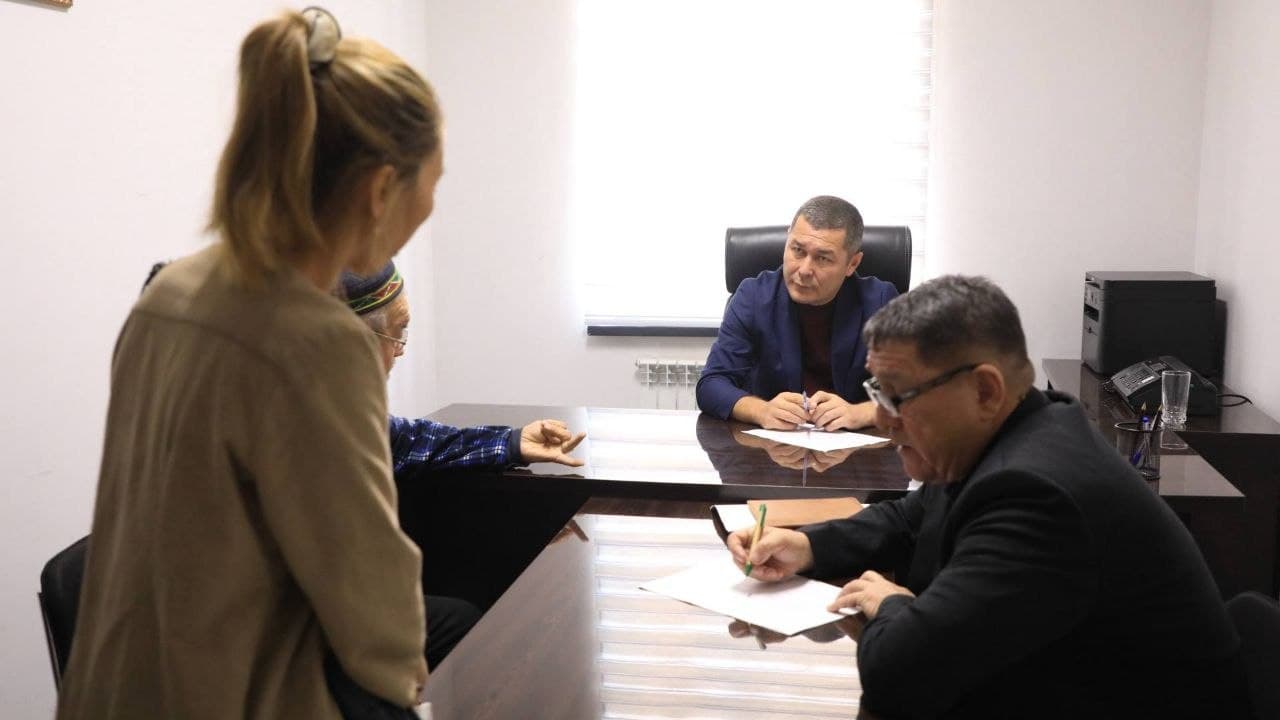
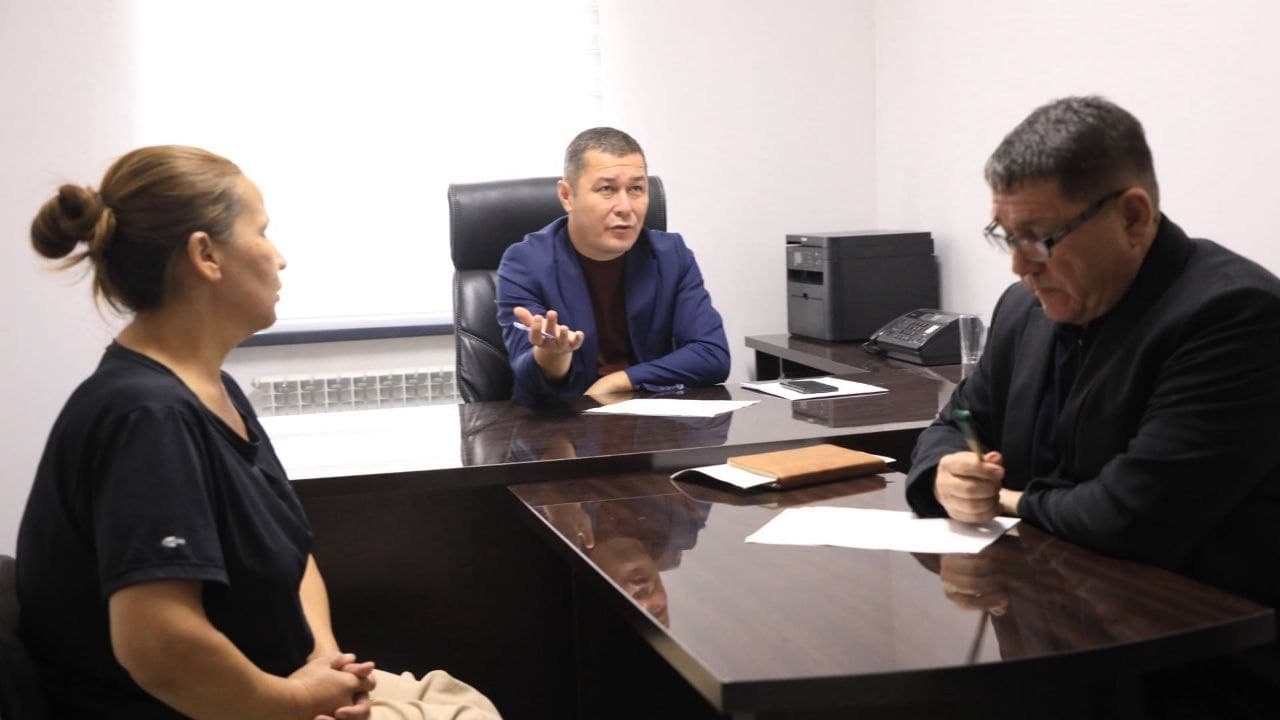
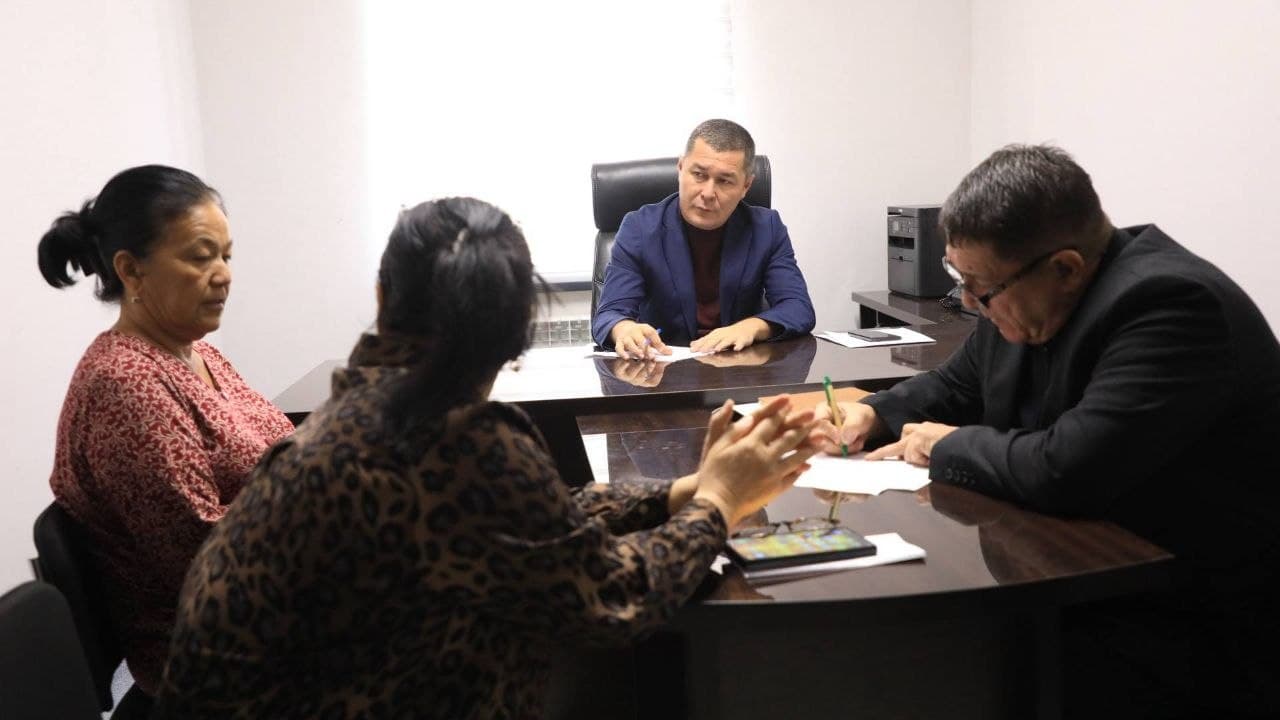
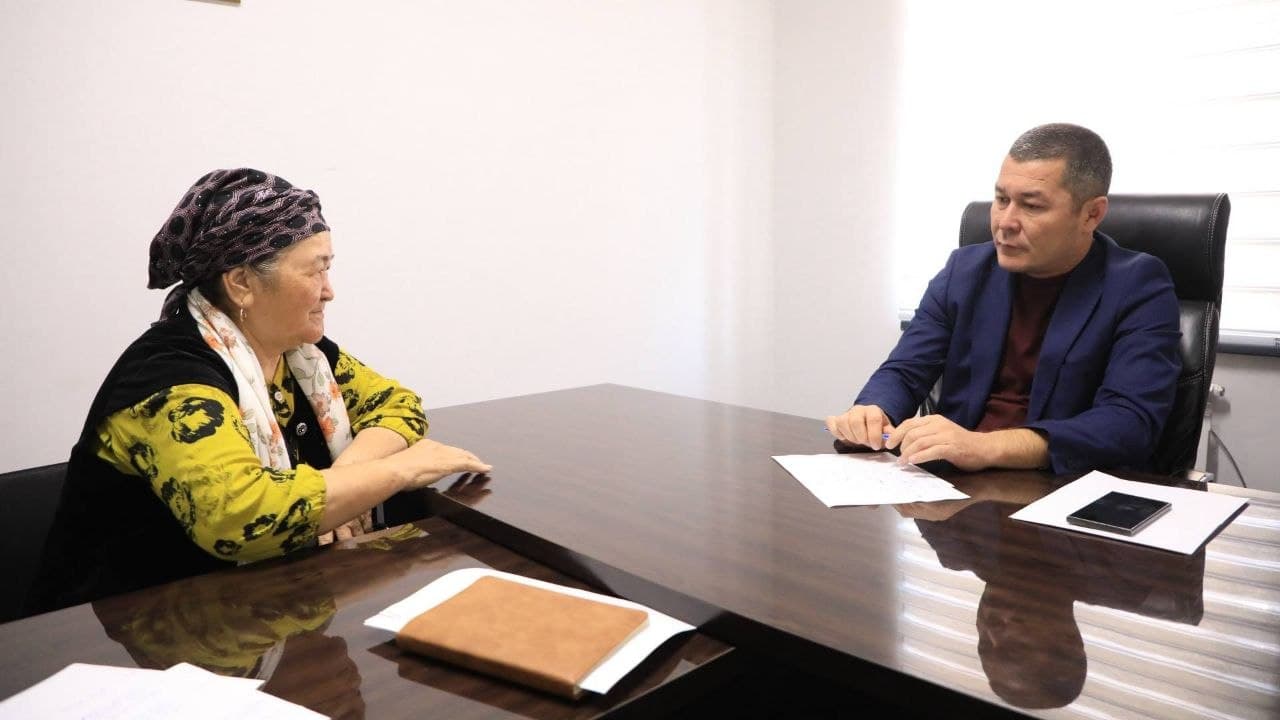
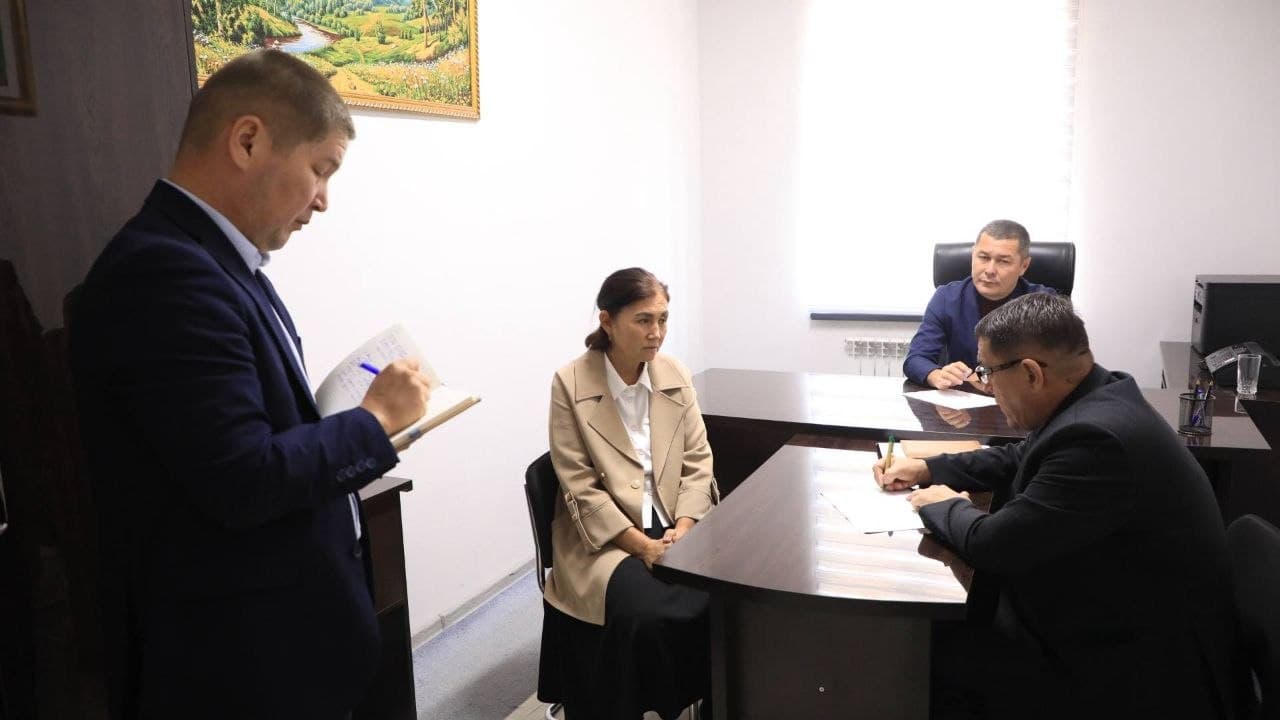
Today was the scheduled reception day for physical and legal entities with the Mayor of the city, A. Daniyarov. However, due to the Mayor’s participation in the regular 24th session of the Nukus City Council of People’s Deputies, the reception of citizens and the review of their appeals were conducted by the First Deputy Mayor, M. Kannazarov.
During the reception, citizens presented the problems and issues that concerned them.
Every appeal demands individual attention and responsibility. For when a person comes to a reception to voice a problem, they hope, first and foremost, to be heard, understood, and to find a solution wherever possible.
Appeals are examined under the control of the city mayor, and practical measures are being taken to resolve them favorably.
These are not empty numbers or lines in a report.
Behind them are real human lives.
Someone is looking for employment.
Someone needs assistance to restore their health.
Another wishes to improve their family’s living conditions.
Yet another citizen seeks support regarding home repairs, infrastructure, or contract payments.
Every appeal has its own story. And every story has its hero.
For instance, citizen Murat Tlepov had applied to the Mayor of the city, A. Daniyarov, regarding employment assistance.
Before long, practical steps were taken in response to his appeal.
Today, Murat is returning home from the kindergarten with his child.
In his hand—wages earned through honest labor.
On his face—joy.
In his eyes—gratitude.
It has been 15 days since that event.
Just 15 days.
Yet in a person’s life, even 15 days can bring about profound changes.
For Murat, this is not merely getting a job. It is the opportunity to fulfill his responsibilities to his family with confidence, to provide for his child through his own labor, and to feel like a valuable member of society.
At such moments, the greatest response from the people is gratitude.
Today, people come forward not only to state a problem, but also to express thanks once a solution has been found.
For where a person feels care and attention, trust is born.
And where there is trust, solidarity grows stronger.
The very essence of state policy is measured, above all, by improving human lives, ensuring family welfare, and creating opportunities for every individual to feel like a needed and valued member of society.
When Roza puts socks on her mother’s feet, she expects no favor in return.
A child inviting old friends for a father’s anniversary comes from love as well.
And the joy in Murat’s eyes is the fruit of his labor and the opportunity granted to him.
There is one common concept uniting these various events:
Love. Attention. Human dignity.
Today, just as it is important to hear the questions of the people, it is equally precious to hear their gratitude.
Because sometimes, a single person’s words:
“Thank you, my problem has been resolved,”
are the greatest result of all.