In 2026, the system for supporting low-income and socially vulnerable families in the city of Nukus was elevated to a fundamentally new level
2026-09-18 10:00:00 / Open conversation
September 18, 2026 | Press Service of Nukus City Khokimiyat
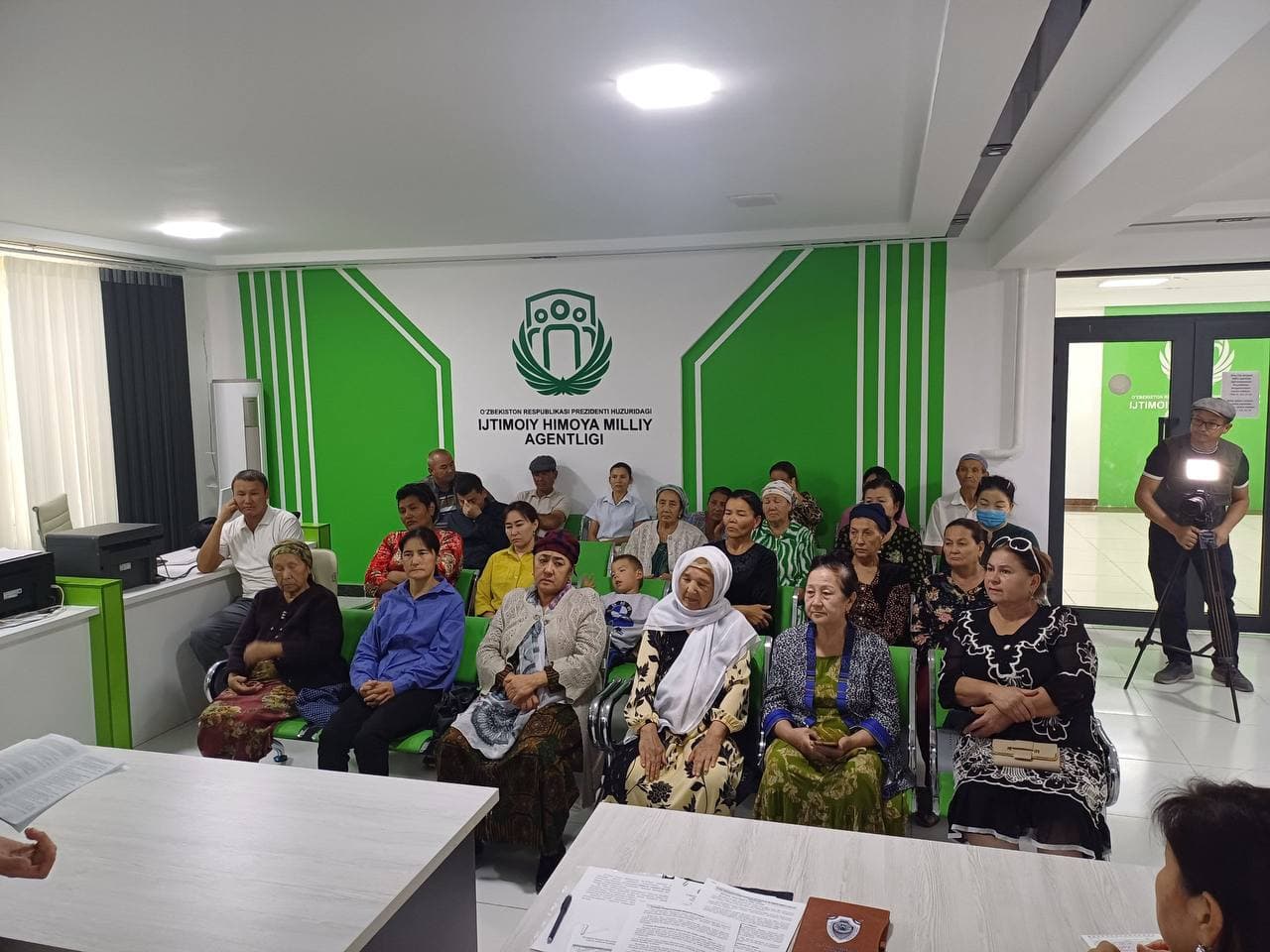
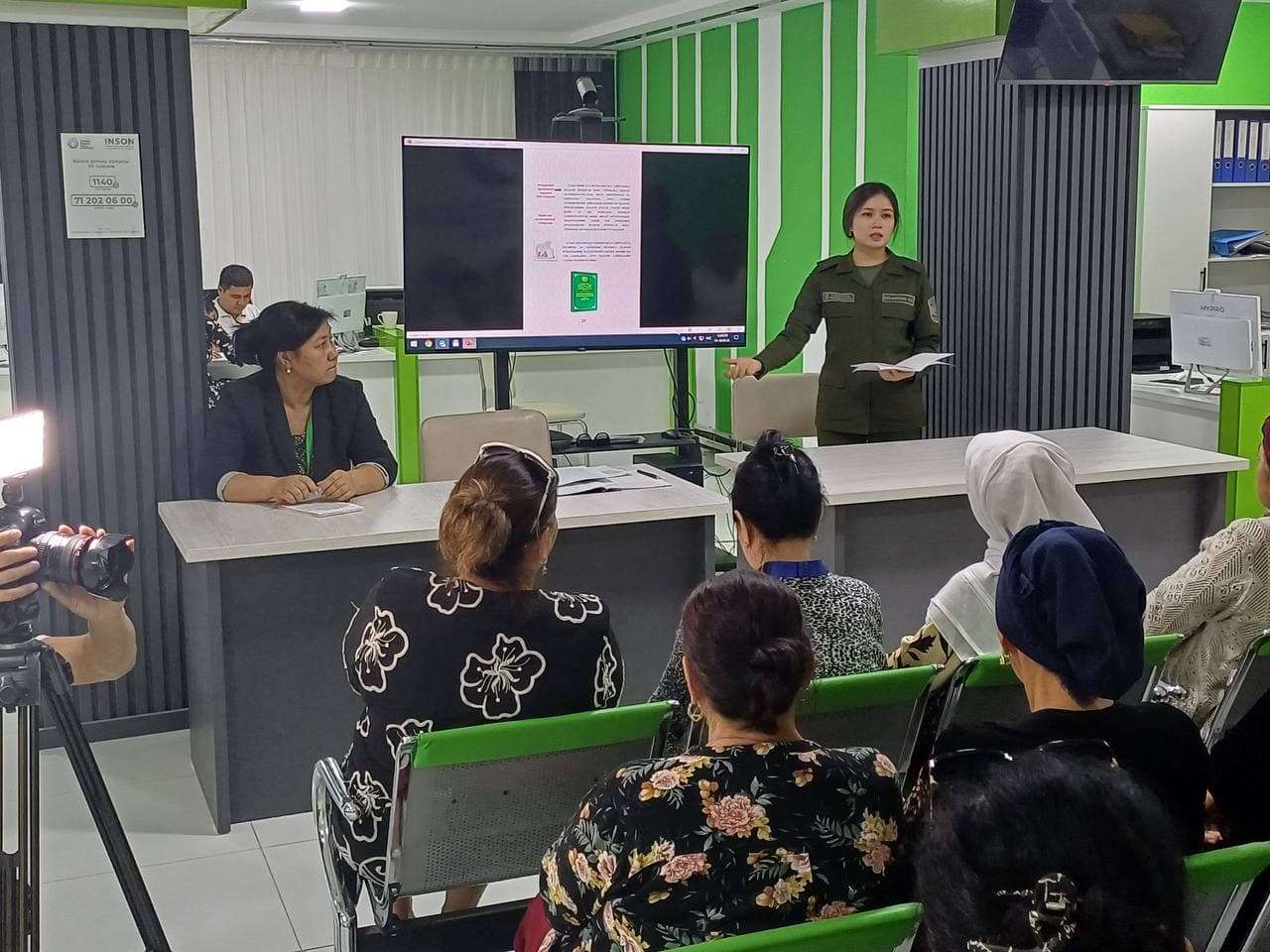
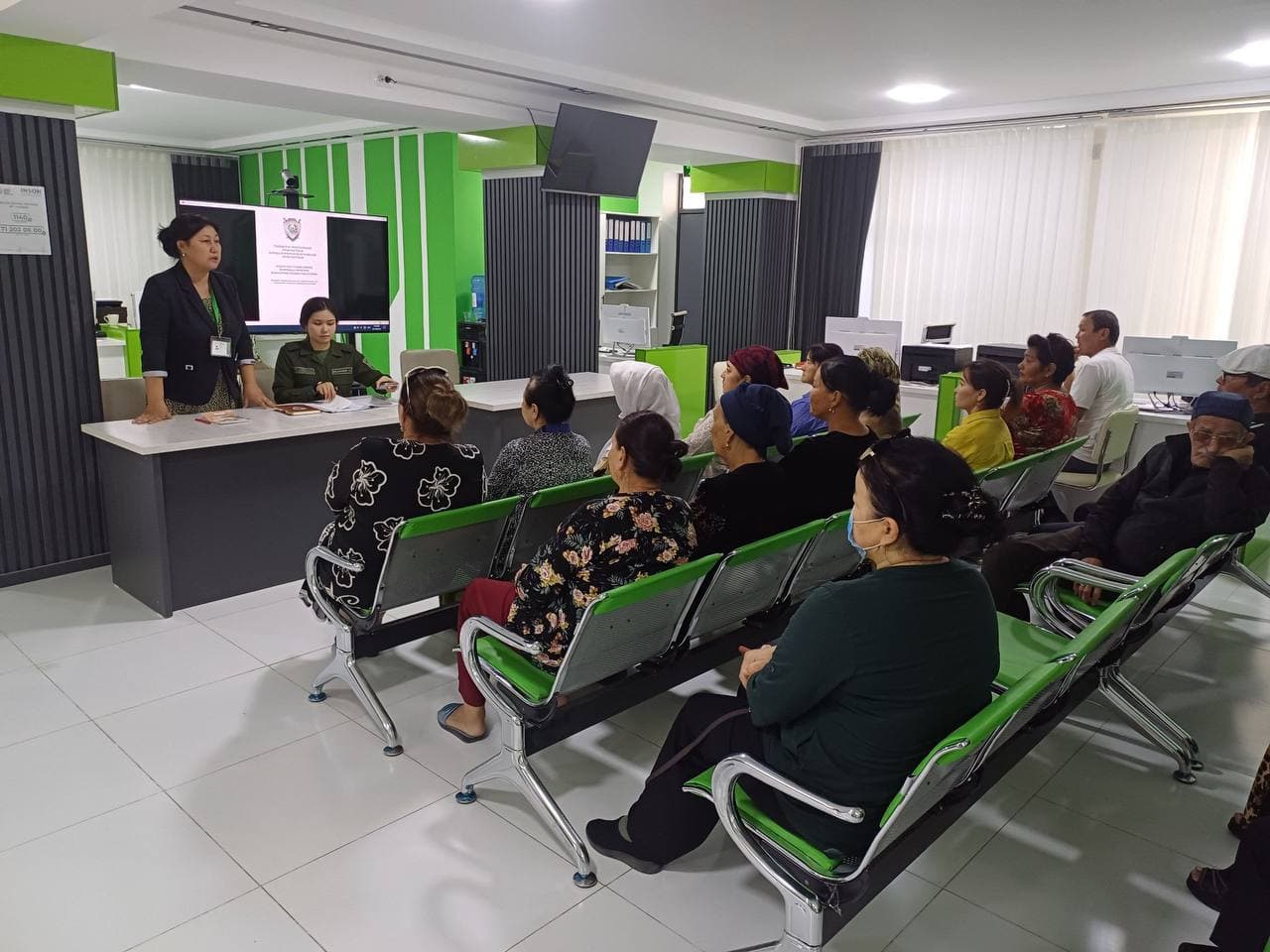
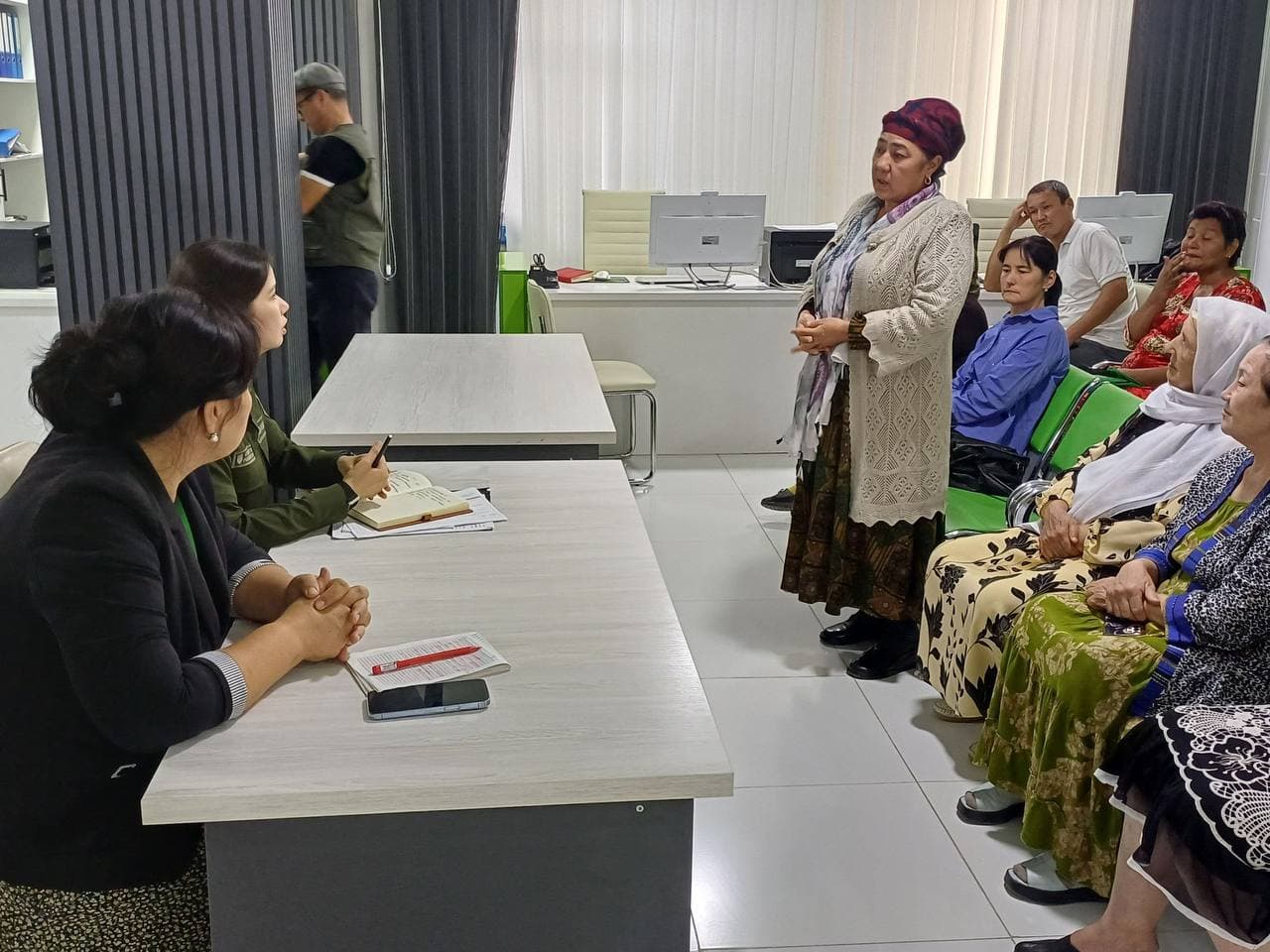
In 2026, the system for supporting low-income and socially vulnerable families in the city of Nukus was elevated to a fundamentally new level. An open dialogue was held to discuss the targeted assistance provided and the services rendered in this direction.
Today, comprehensive reforms are being consistently implemented in our Republic within the social protection sector, aiming to support vulnerable segments of the population and uphold human dignity.
Work carried out in this area is of particular importance. In particular, a targeted, transparent, and effective system for providing social services has been established for persons with disabilities, low-income families, elderly people living alone, children, and other categories of citizens in need of social protection.
In recent years, significant progress has been made toward digitizing social services, expanding the operations of "Inson" Social Service Centers, introducing the institution of community social workers, and strengthening mechanisms for prevention and early detection. These reforms serve to strengthen public trust in the state and ensure social justice.
To organize social protection at the neighborhood (mahalla) level, deliver social services and aid through an integrated approach, prevent citizens from falling into difficult social circumstances, increase the targeting and effectiveness of support, and ensure the social integration of those in need, the "Inson" Social Service Center of Nukus City executed a range of measures across neighborhoods throughout 2026.
The city of Nukus has a population of 350,400 residents, comprising 110,737 families and 89,310 households distributed across 71 mahalla citizens' assemblies. A total of 71 social workers have been assigned to provide comprehensive services directly to these neighborhoods. Since January 1, 2026, these social workers have covered citizens with 22,820 social services.
Key Outcomes in Identifying Families in Need
Across the city, 8,552 families (7.7% of the total population) have been enrolled in the "Social Register." Specifically:
-
Out of the 8,552 registered families, 3,972 receive state support, 3,580 are classified as low-income, and 1,000 are living near the poverty line.
-
These families account for 34,321 individuals, including 16,134 men and 18,187 women.
Following door-to-door household assessments initiated on January 1 of this year, a total of 4,641 social cases were opened for individuals and families requiring assistance.
Categories of Opened Cases:
-
Orphans, children deprived of parental care, and children from single-parent families — 148 cases;
-
Low-income families — 2,955 cases;
-
Individuals without a fixed place of residence — 5 cases;
-
Persons with disabilities, individuals suffering from severe illnesses, and children with physical, mental, sensory, or intellectual impairments requiring long-term medical treatment — 573 cases;
-
Persons released from correctional facilities — 3 cases;
-
Children left unsupervised or without parental care — 94 cases;
-
Parents whose children were placed under state care without deprivation of parental rights — 3 cases;
-
Children whose parents have traveled abroad, including for labor migration — 29 cases;
-
Women who have experienced harassment or violence, along with their minor children — 580 cases;
-
Persons affected by emergency situations of a technological, natural, or ecological nature — 2 cases;
-
Elderly individuals living alone and persons with disabilities requiring constant care — 249 cases.
Educational and Extracurricular Coverage
Among families registered in the Social Register, 1,263 preschool-aged children were enrolled in preschool education, while 1,185 out of 2,313 children aged 7–18 were engaged in various extracurricular clubs.
A total of 1,183 referral applications were generated for public service provision: 589 were sent to the Department for Poverty Alleviation and Employment, 169 to the District Branch of the Youth Affairs Agency, 128 to the Medical Association, and 297 to other partner organizations.
Financial and Material Support
In addition to state support programs, interest-free loans totaling 1.1 billion UZS were allocated to 74 individuals. Furthermore, 48 residential homes were renovated with funds amounting to 2.5 billion UZS under the "Green Home Renovation" program. Child benefits were assigned to 987 families, while caregiving allowances were granted to 316 families.
Additionally, 1,607 individuals were covered by social insurance, and practical assistance was provided to 367 households for drilling artesian wells, as well as installing water filters and pumps.
Through the "Saxovat va Ko'mak" (Generosity and Support) Fund, a total of 5,961,000,000 UZS in targeted assistance was provided to 4,872 citizens, including:
-
Food supply support for 2,985 citizens — 1.231 billion UZS;
-
Housing repair assistance for 48 citizens — 827.8 million UZS;
-
Clothing and basic necessities for 1,788 citizens — 3.6876 billion UZS;
-
Surgical procedures and medical treatment for 10 citizens — 173.8 million UZS;
-
Utility debt coverage for 35 citizens — 14.9 million UZS;
-
Rental expense assistance for 6 citizens — 25.2 million UZS.
Support for Persons with Disabilities and Inclusive Education
Among those listed in the Social Register, 1,852 individuals with severe illnesses were identified. 471 mothers of children with disabilities were registered as primary caregivers. In total, 2,097 persons with disabilities were documented:
-
Group 1 disability — 231 individuals;
-
Group 2 disability — 1,257 individuals;
-
Group 3 disability — 113 individuals;
-
Persons disabled from childhood — 496 individuals.
Family Breakdown:
-
Families with 2 members with disabilities — 189 families;
-
Families with 3 members with disabilities — 22 families;
-
Families with 4 members with disabilities — 2 families. All of these households are assigned to social workers.
Currently, 67 children with disabilities are enrolled in daytime care services.
Under the "Step Toward an Active Life" program, 117 individuals received services, and 35 citizens received medico-social support. 12 individuals successfully recovered their health, and the well-being of 11 elderly individuals living alone was significantly improved.
920 citizens were involved in adaptive sports programs.
Among youth with disabilities, 17 are pursuing vocational college education, and 7 are studying at higher educational institutions.
Across Nukus City, 99 inclusive classes have been established in 23 schools. Barrier-free environments have been developed in 8 schools, and 23 corrective classes have been made operational, accommodating a total of 169 children in inclusive education.
Rehabilitation and Legal Assistance
Psychological, legal, and social assistance was provided to 314 women who experienced harassment or violence. Of these, 40 women were accommodated in the Women's Rehabilitation Center, and 52 women were admitted to primary assistance rooms.
Targeted efforts were conducted to reintegrate and socially support individuals released from penal institutions. Work was carried out with 75 former offenders, all of whom received one-time financial aid, and 7 individuals secured employment.
In execution of Presidential Decree No. PF-69 dated April 27, 2026, titled "On Additional Measures to Further Improve the Social Service System for Persons with Mental Health Conditions," relevant measures were implemented for 44 citizens.
Specifically, care allowances were granted based on court decisions and Khokimiyat rulings declaring legal incapacity for 7 individuals diagnosed with severe intellectual disabilities. Currently, 4 individuals with disabilities utilize the "Yangi Kun" (New Day) care service, and court claims have been filed on behalf of 18 citizens with mental health conditions.
Moving forward, the "Inson" Social Service Center of Nukus City will continue to thoroughly assess the needs of vulnerable populations, enhance living conditions, and dedicate full effort to serving the interests and well-being of all citizens.