
Turning the Impossible into Reality: The Creative Force Behind Progress
2026-05-17 22:00:00 / News

Turning the Impossible into Reality: The Creative Force Behind Progress
Today, we are witnessing an unprecedented renaissance in global medical science, where the most intricate and complex surgical procedures are executed with remarkable success. Procedures and treatments deemed "impossible" or "incurable" just twenty or thirty years ago have now become routine triumphs, backed by the undeniable proof of modern medical breakthroughs. Medicine has even extended its reach to the realm of aesthetics, ensuring that youthfulness and vitality are no longer fleeting privileges. Through an array of modern procedures like botox and dermal fillers, a single precise injection can restore a profound sense of confidence and aesthetic joy. While these enhancements may be artificial, the peace of mind and self-assurance they instill are undeniably real. Yet, achieving this state of inner and outer harmony requires resources—and substantial investment at that.
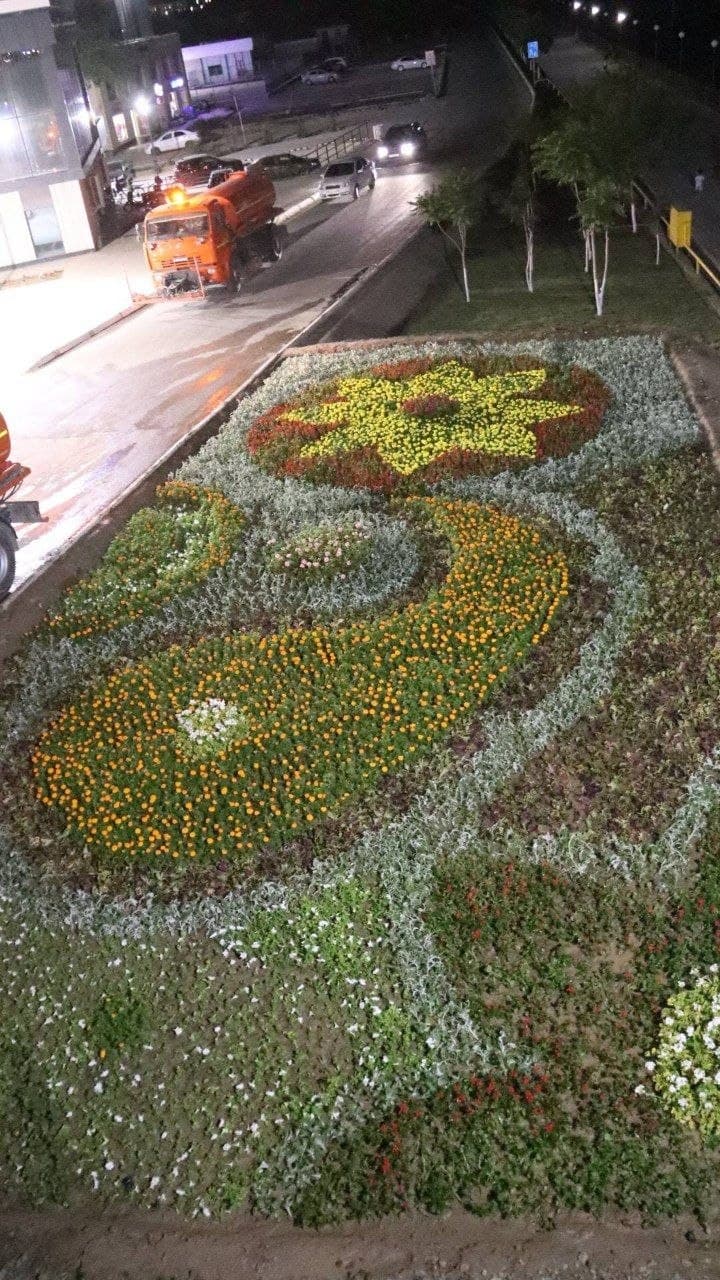
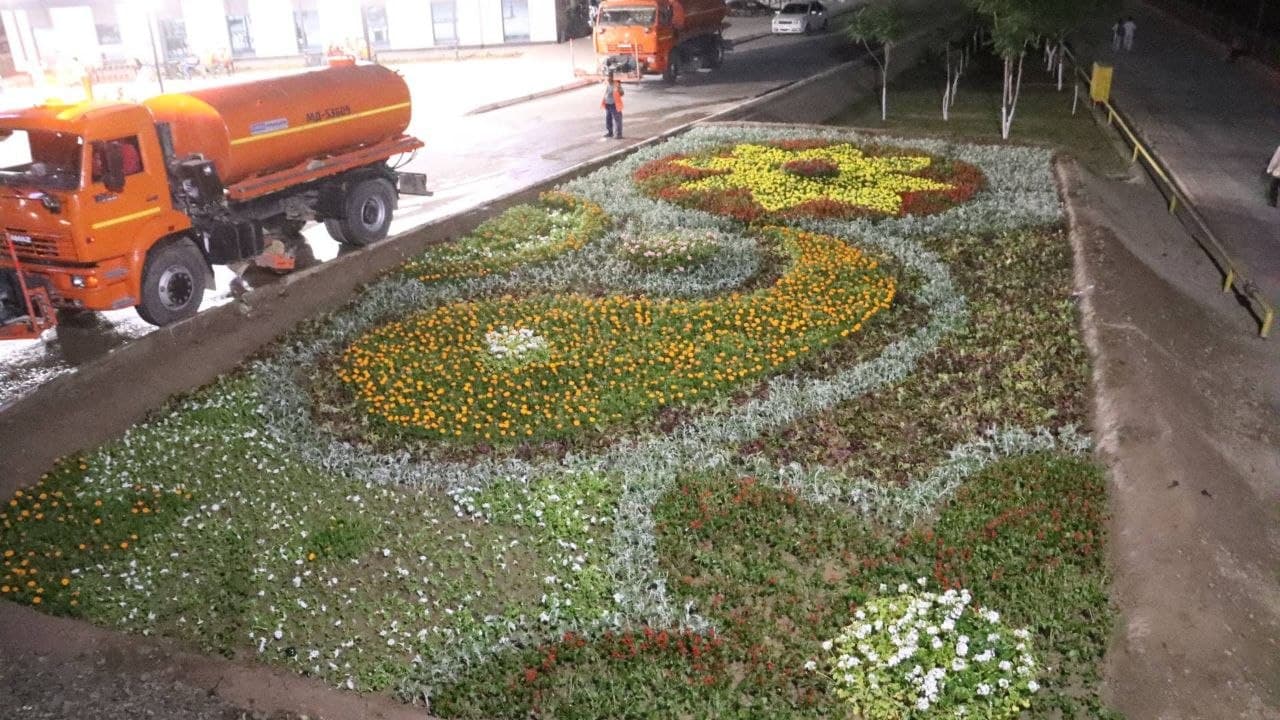
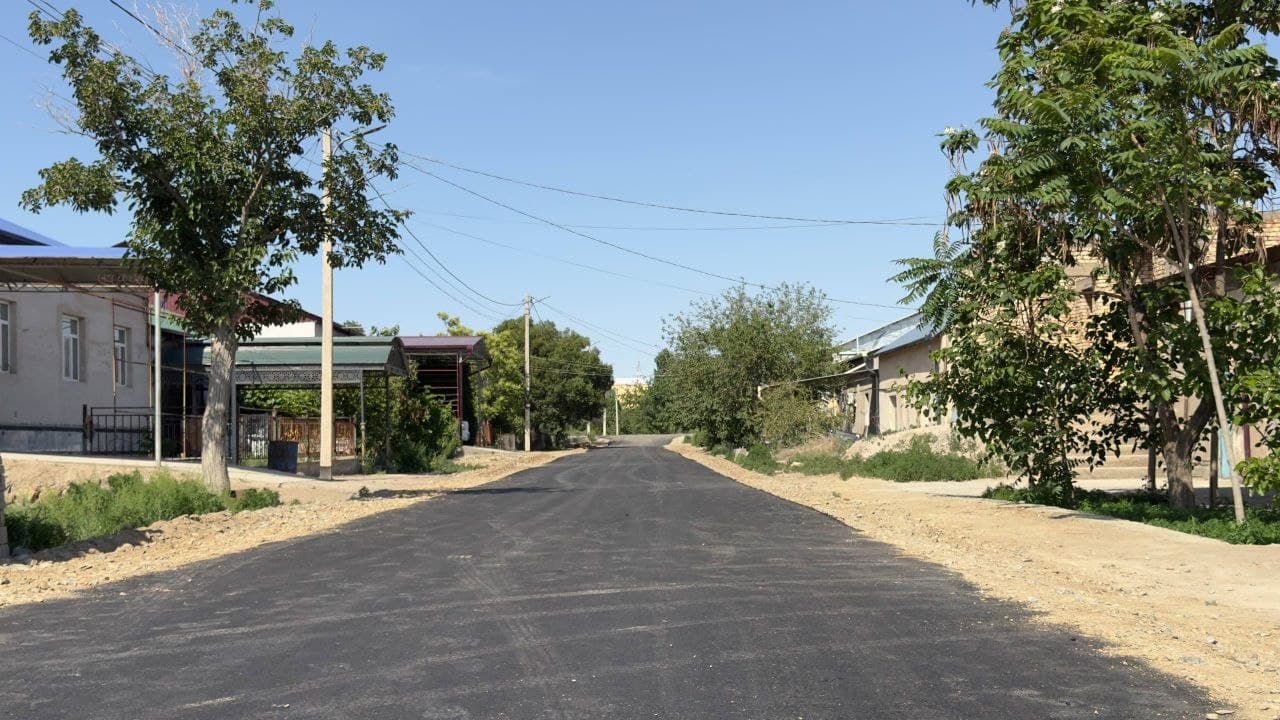
We are now observing a parallel transformation right here in our own city, where beauty and progress are being systematically crafted by human hands. Take, for instance, the vibrant roses planted along the streets of Nukus just a couple of years ago; today, they bloom in magnificent alignment along the roadsides, offering passing commuters a serene sense of beauty and delight.
If you recall, a mere decade ago, the only place one could catch a glimpse of blooming roses in the city was at the roundabout near the old "Tashkent" Hotel. Today, however, these mesmerizing flowers line our central avenues and public squares, transforming the urban landscape. Streets across Nukus are now adorned with diverse floral arrangements, decorative shrubs, and fruit-bearing trees. This monumental creative effort, which actively shapes our environment, thrives under the catalyst of the "Yashil Makon" (Green Homeland) Nationwide Initiative, pioneered by our Honorable President.
Just as the medical field has systematically replaced the word "impossible" with "achievable," witnessing the birth of lush green oases amidst a historically challenging ecological climate compels one to marvel at how human willpower can reshape reality.
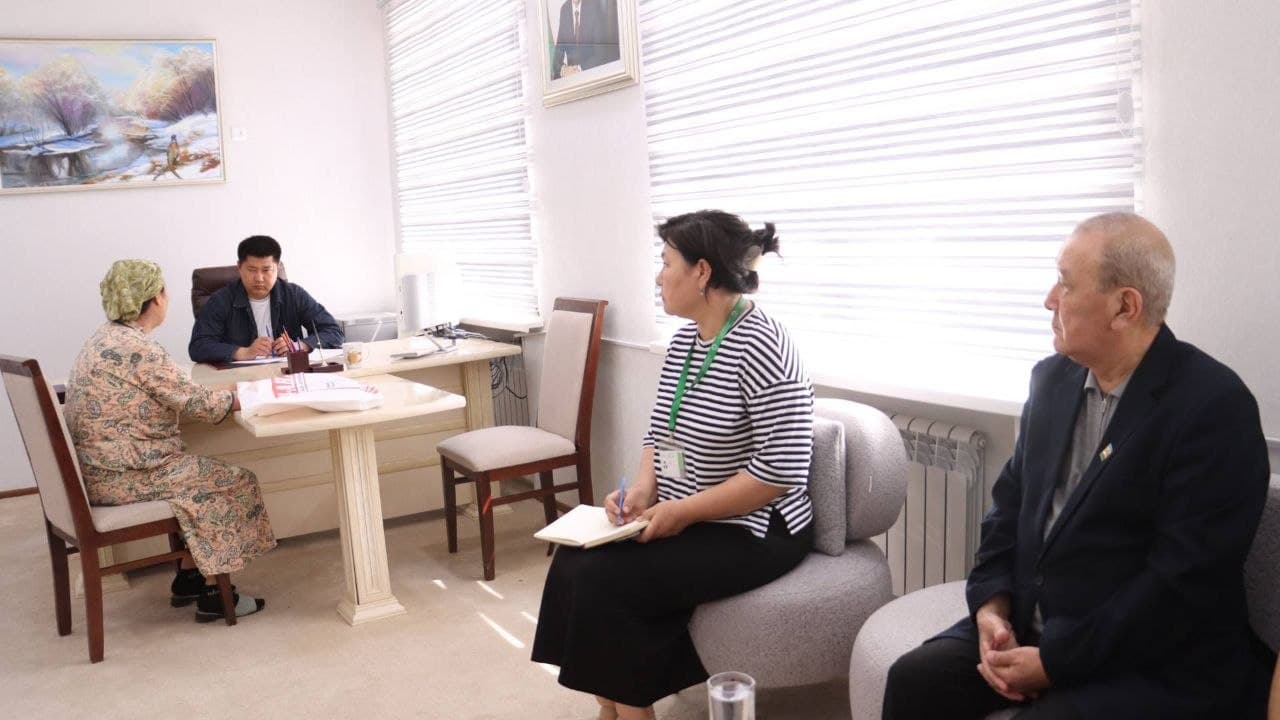
Another vivid example of this shift is the direct dialogue between the public and local governance. A decade ago, the idea of citizens directly addressing mayors and high-ranking officials with their grievances felt entirely out of reach. However, the President’s visionary strategy has initiated a profound paradigm shift in state policy, focusing fundamentally on upgrading the living standards of ordinary people. These structural, step-by-step reforms are consistently bearing fruit, directly elevating the socio-economic well-being of our communities.
Criticism vs. Economic Reality: Why the State Should Not Just Build Factories
At this juncture, it is vital to address a recurring theme found within the comment sections of our digital media content. Some citizens frequently ask: "Instead of these aesthetic projects, why doesn't the government build large factories and industrial plants?", "Our youth are wandering without jobs!"
To bridge this gap in understanding, it is our responsibility to explain the underlying economic principles in simple, clear, and relatable terms:
If a government allocates its entire budget solely to establishing a few massive industrial enterprises, and those enterprises fail to withstand competitive market forces and go bankrupt, the national treasury suffers a catastrophic blow. However, when those same financial resources are distributed among thousands of young people and aspiring entrepreneurs in the form of micro-loans and targeted subsidies, the financial risk is effectively diversified. Even if a handful of individuals face setbacks in their business endeavors, thousands of others successfully find their footing and thrive. Most importantly, this decentralized system eradicates the toxic culture of dependency—the "feed me or I perish" mindset—and teaches the younger generation to think critically, innovate independently, and take full responsibility for their destinies.
What does global economic history teach us?
The policy of reducing state monopolies and aggressively fostering private entrepreneurship is a proven, time-tested strategy implemented by the world's most prosperous economies:
-
The United Kingdom (1980s): Under the administration of Prime Minister Margaret Thatcher, the British government privatized massive, deficit-ridden state coal and transport enterprises. This structural reform rescued the UK from a deep, paralyzing economic crisis and permanently cemented London's position as a premier global financial hub.
-
South Korea (1960s): In its journey to break free from severe poverty, the South Korean government bypassed the traditional route of building rigid state-owned factories. Instead, they channeled subsidies and preferential credit lines into private, family-backed entrepreneurial ventures. This strategic move gave birth to independent, market-dominating corporate giants like Samsung, LG, and Hyundai.
-
Germany: The backbone of the robust German economy is the "Mittelstand" model, which prioritizes the absolute protection and promotion of small and medium-sized private enterprises. The German government continuously injects grants and subsidies into youth-led innovative startups, ensuring long-term economic stability and resilience.
In a modern economic model, the primary duty of the state is not to engage in commerce or act as a profit-driven business entity. Rather, its ultimate role is to cultivate a fertile environment and provide the necessary infrastructure for private businesses to operate freely and grow.
Reflecting this strategy locally within the Republic of Karakalpakstan alone, over the past five years, more than 3,000 sets of equipment and professional tools have been distributed to unemployed citizens, women, and youth through targeted subsidies and low-interest credit lines.
Hard Work and Dedication: The Real Keys to Success
Naturally, even amid these uplifting developments, cynical voices emerge. On various social media platforms, we encounter remarks such as: "Can everyone really just become a tailor?", "Is everyone cut out to be an entrepreneur?"
It is crucial to recognize that our nation's most celebrated and successful entrepreneurs did not graduate from elite universities in America or Europe. They built their enterprises from the ground up without receiving a single coin of unearned state money, relying purely on grueling hard work, absolute dedication, and an unyielding drive to succeed.
-
Consider the story of Mira Shegay, the founder of the famous "Mira Apa" restaurant chain in Nukus, or Orazgul Asanova from the "Tung‘ish Qonis" neighborhood. They both began their commercial journeys by selling modest, homemade fried pies ("pirojki") on the street. Through years of relentless labor, they expanded their business and are now the proud owners of five commercial properties.
-
Similarly, Jumabiyke Kushekeyeva from the "Shadli Avul" community, despite being well over 70 years old, manages a highly productive greenhouse enterprise. She generates a substantial income and has earned widespread respect across the region as a master horticulturist.
When an individual possesses a genuine passion for labor and an internal drive to achieve, any business venture can be steered toward success.
Is the Lack of Motivation a Symptom of Abundance or Impatience?
Occasionally, we hear citizens complain: "I just don't feel like working," or "I completely lack the motivation to work or read books." What logical conclusion can we draw from this? It is, fundamentally, a symptom of comfort and abundance.
A starving or genuinely desperate person never waits for external motivation. Their singular, driving motivation is absolute survival—the urgent need to feed their family and break the shackles of poverty.
Regrettably, there are instances where individuals receive valuable state subsidies and tools designed to secure their livelihood, only to list those items for sale on online e-commerce platforms, squandering the capital on short-sighted, aimless expenses.
When discussing beauty, prosperity, and structural growth, we must remember a universal truth: to change one's life, an individual must first take the initiative. Happiness and fulfillment are built with one's own hands. The state, in this grand equation, serves as a supportive partner, providing the scaffolding for personal growth.
Therefore, should the authors of endless appeals—those who for a decade have focused entirely on grievances and systemic shortcomings—not also look inward and make a conscious effort to change? The government has already taken massive, irreversible strides toward creating a prosperous and enabling environment for its people. Yet, as a society, we are still failing to fully capitalize on the subsidies and preferential credits made readily available to us.
Just recently, an exquisite floral exhibition and artistic composition was unveiled along the Khojeli Guzari highway. This is beauty manifested through human dedication. Compared to previous years, Nukus is rapidly evolving, acquiring a genuinely sophisticated and captivating new identity.
Ultimately, you are the sole architect of your own life. We firmly believe that the small, disciplined daily actions initiated today will unlock monumental transformations in the future. Look closely at the painstaking work of the professional photographers who spent countless hours waiting patiently in the wilderness to capture the perfect harmony of nature’s spring awakening. They waited with profound patience, and in return, they gifted the world an enduring masterpiece of visual beauty.
Neither happiness nor wealth materializes overnight. They are earned through honest labor, an innate passion for creativity, and an unyielding, relentless pursuit of excellence.
Elmira Sagalatdinova