The “Zarbdor Model” in Nukus: A Paradigm Shift in Grassroots Urban Transformation
2026-03-26 15:00:00 / News
The “Zarbdor Model” in Nukus: A Paradigm Shift in Grassroots Urban Transformation
The capital of Karakalpakstan is embarking on a historic new chapter of decentralized governance as large-scale initiatives for comprehensive neighborhood development take root, setting a new gold standard for the “Mahallabay” system and translating national vision into localized prosperity. Guided by the strategic directives of the Head of State regarding integrated urban evolution, a transformative wave of development is now reaching the “Ornek” and “Dostlik” mahallas, rooted in the fundamental principle that every neighborhood must possess its own unique economic identity and every citizen must tangibly feel the pulse of reform in their daily life. To operationalize this vision, the renowned “Zarbdor Model”—a high-efficiency developmental framework pioneered in the Jizzakh region—is being strategically adapted for the specific socio-economic landscape of Nukus.
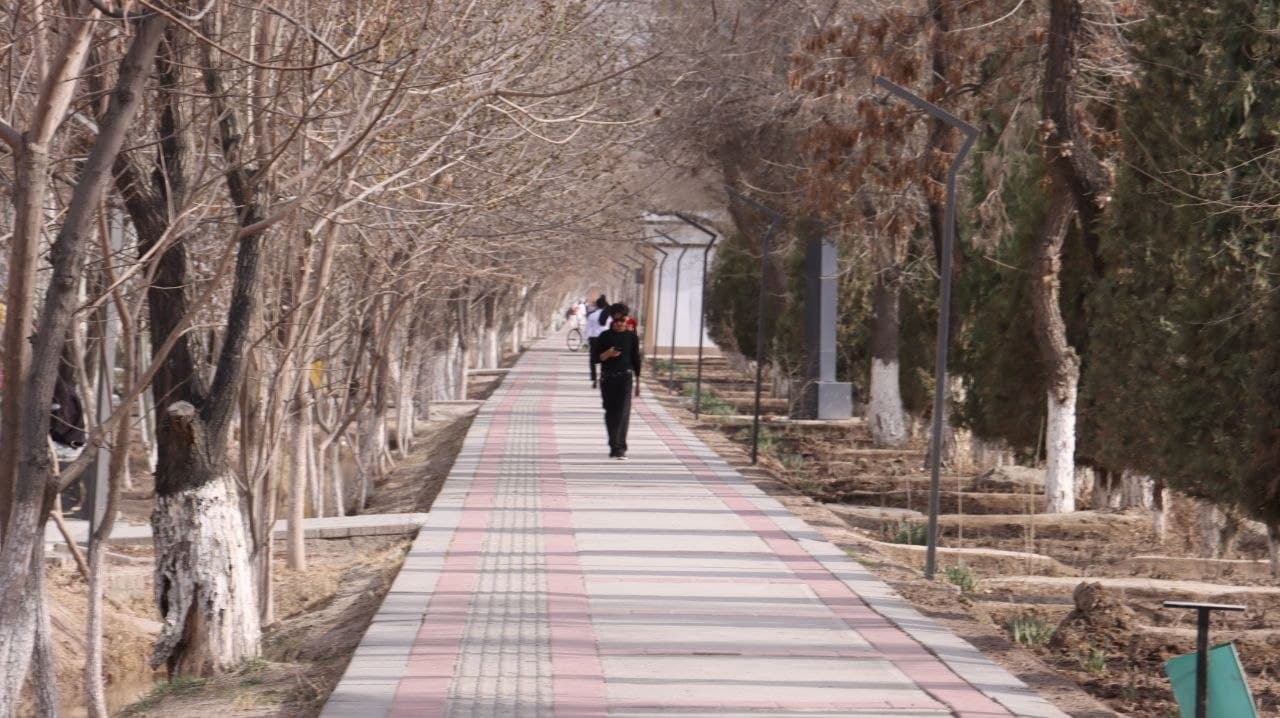
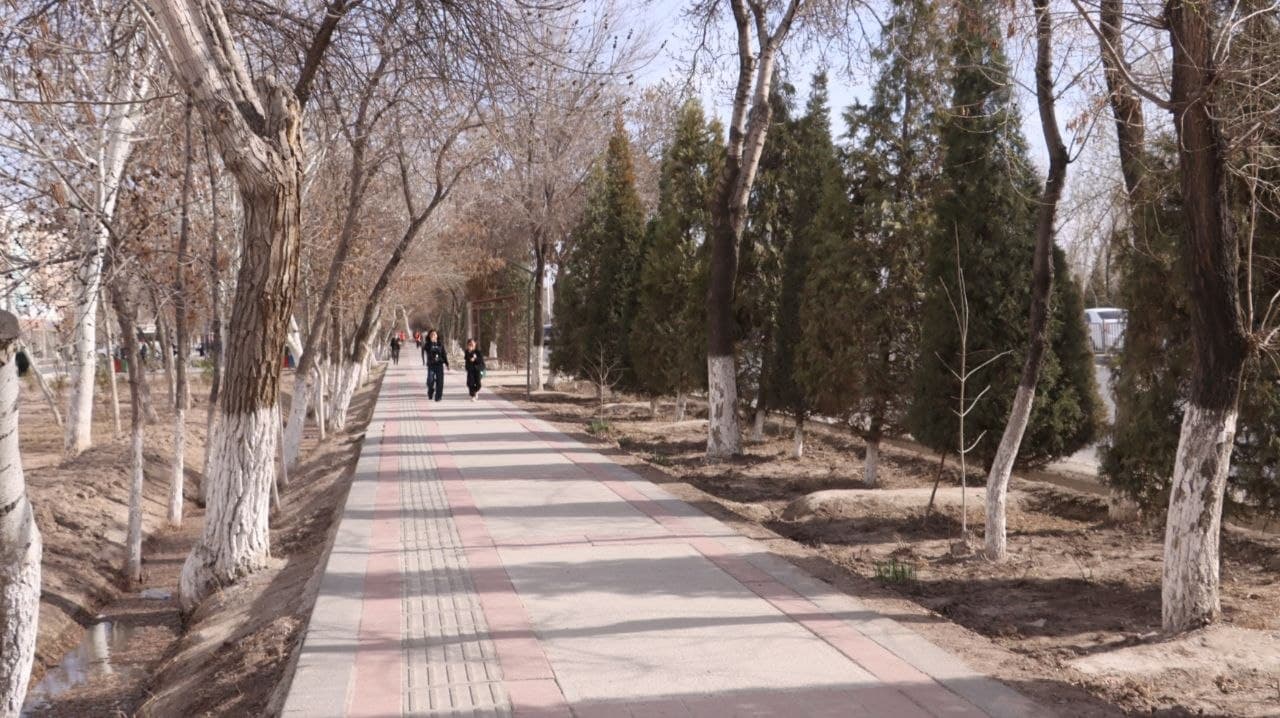
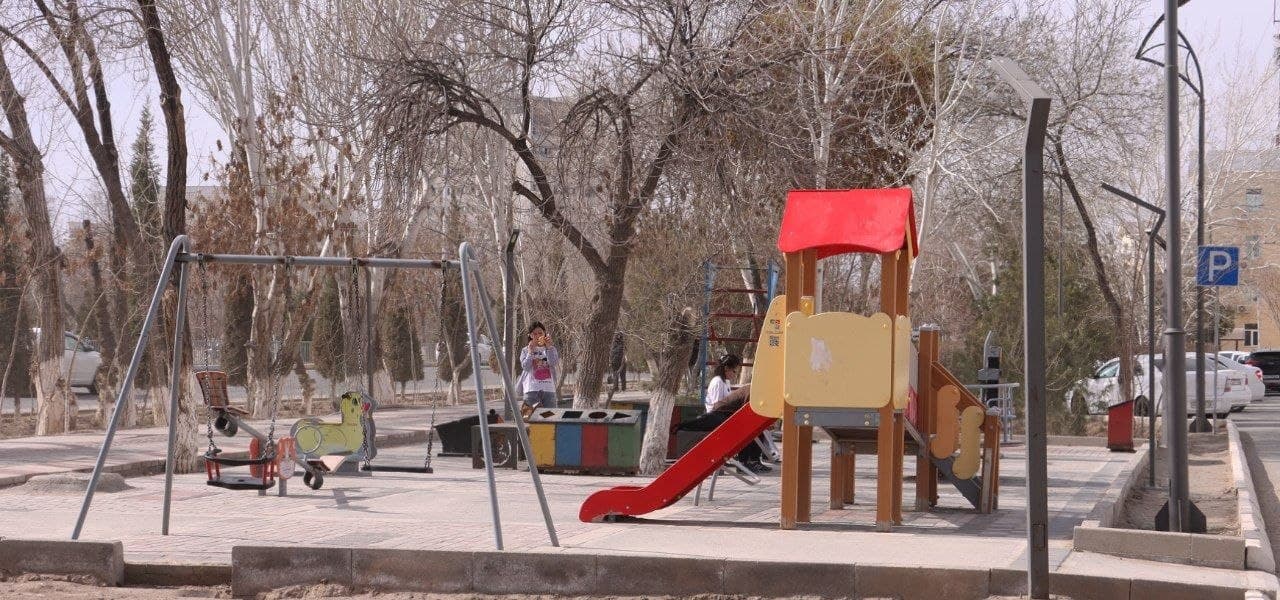
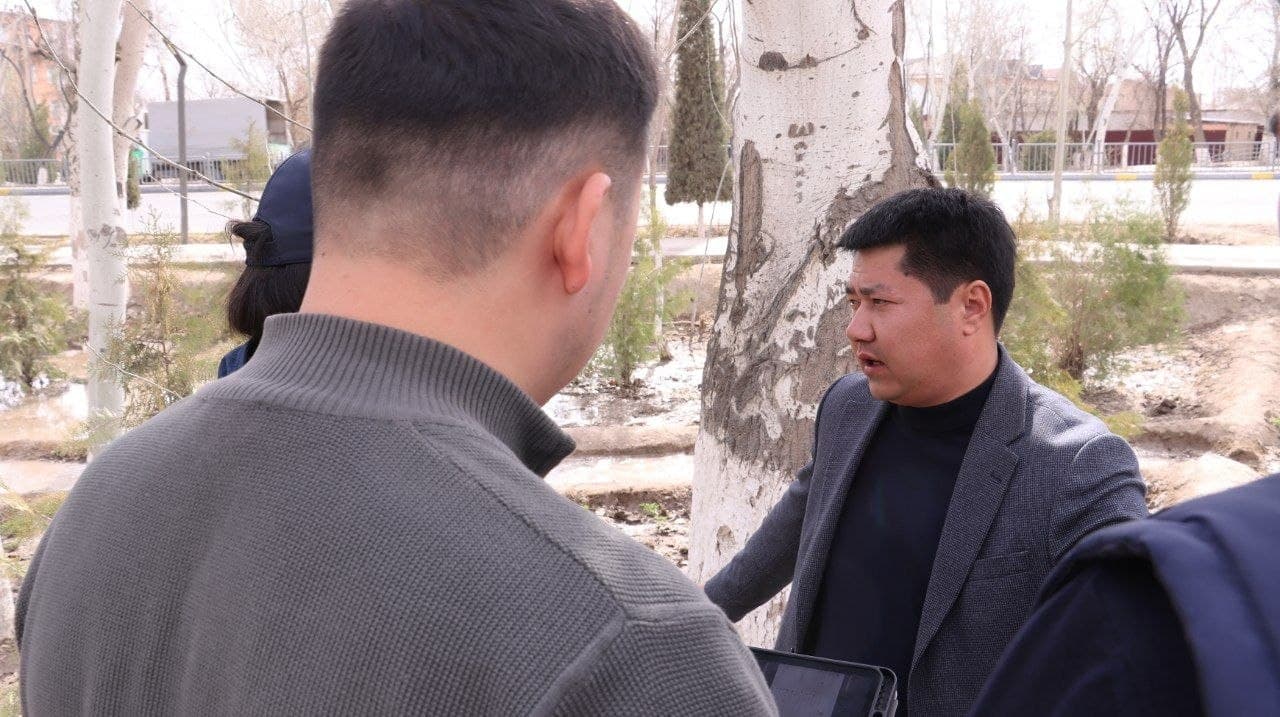
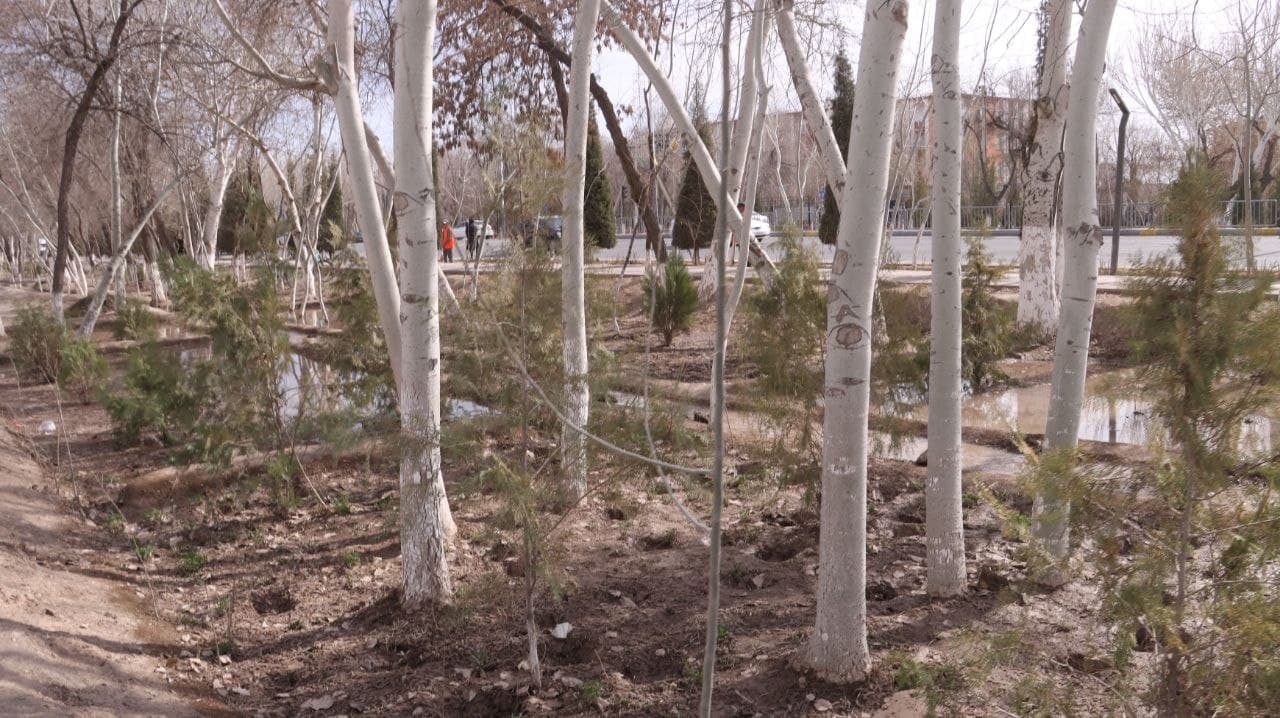
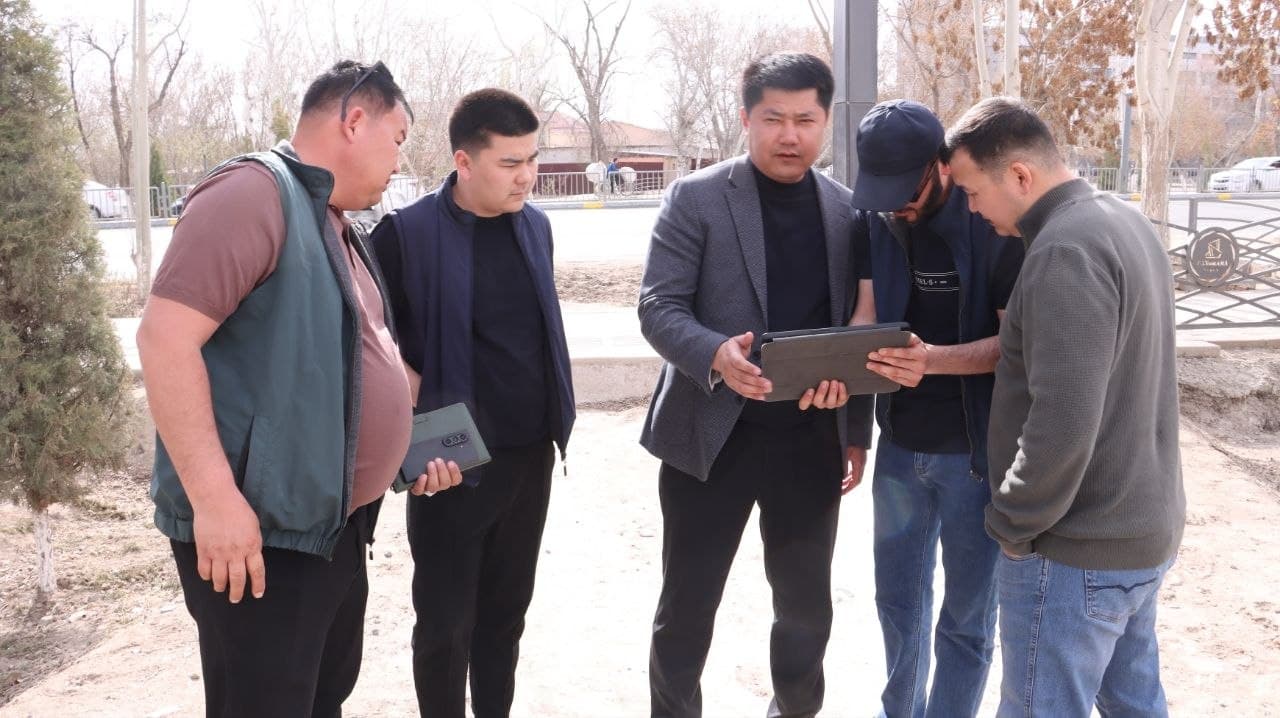
The Mayor of Nukus, Abat Daniyarov, personally led a high-level mission to these communities to conduct a granular assessment of local conditions, moving beyond traditional bureaucracy to create a catalyst for a “Practical Action Roadmap” designed to leapfrog current developmental challenges. Accompanied by a multidisciplinary task force of architects, urban planners, top-tier engineers, and environmental specialists, the Mayor has mandated result-oriented solutions that fortify the social fabric while modernizing the infrastructure that sustains it. The proposed master plan represents a sophisticated fusion of aesthetic beauty and economic utility, featuring modern pedestrian boulevards and high-quality recreational green zones integrated with retail and service hubs that provide a fertile ground for small businesses and localized entrepreneurship.
Experts note that this approach is meticulously designed not only to beautify neighborhoods but to transform them into vibrant economic ecosystems, directly increasing household incomes and elevating the overall standard of living to international benchmarks. This initiative stands as a powerful testament to the “New Uzbekistan” philosophy, demonstrating that national reforms are no longer just policy frameworks on paper, but living, breathing realities embedded deeply within the community. In the “Ornek” and “Dostlik” mahallas, the state is proving to be a true partner in building a future where every street and every home reflects the dignity and ambition of its people, delivering a visible and enduring impact at the grassroots level.