Nukus Experience: Prioritizing Youth in the “Red” Category
2026-03-26 16:00:00 / News

Nukus Experience: Prioritizing Youth in the “Red” Category
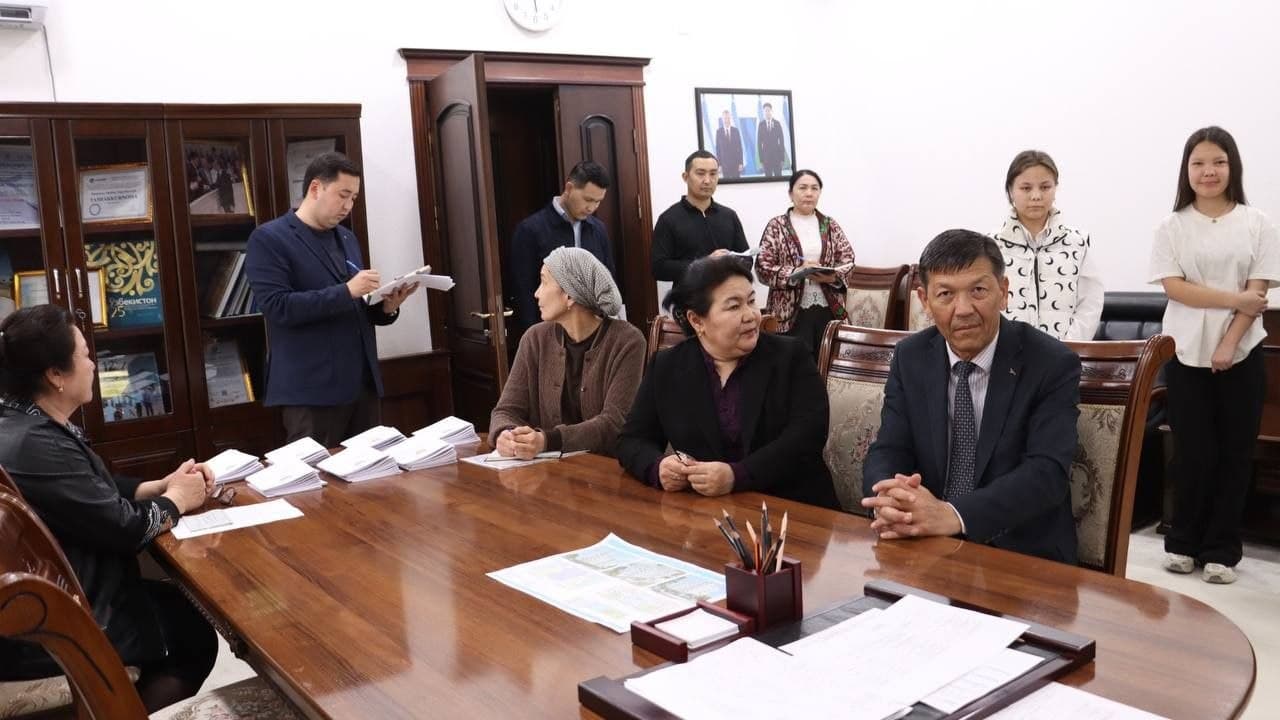
In Uzbekistan, Thursdays have been institutionalized as a dedicated day for open dialogue with young people and for addressing their most pressing challenges. This policy is not merely symbolic—it is actively taking shape on the ground, as clearly demonstrated in the city of Nukus.
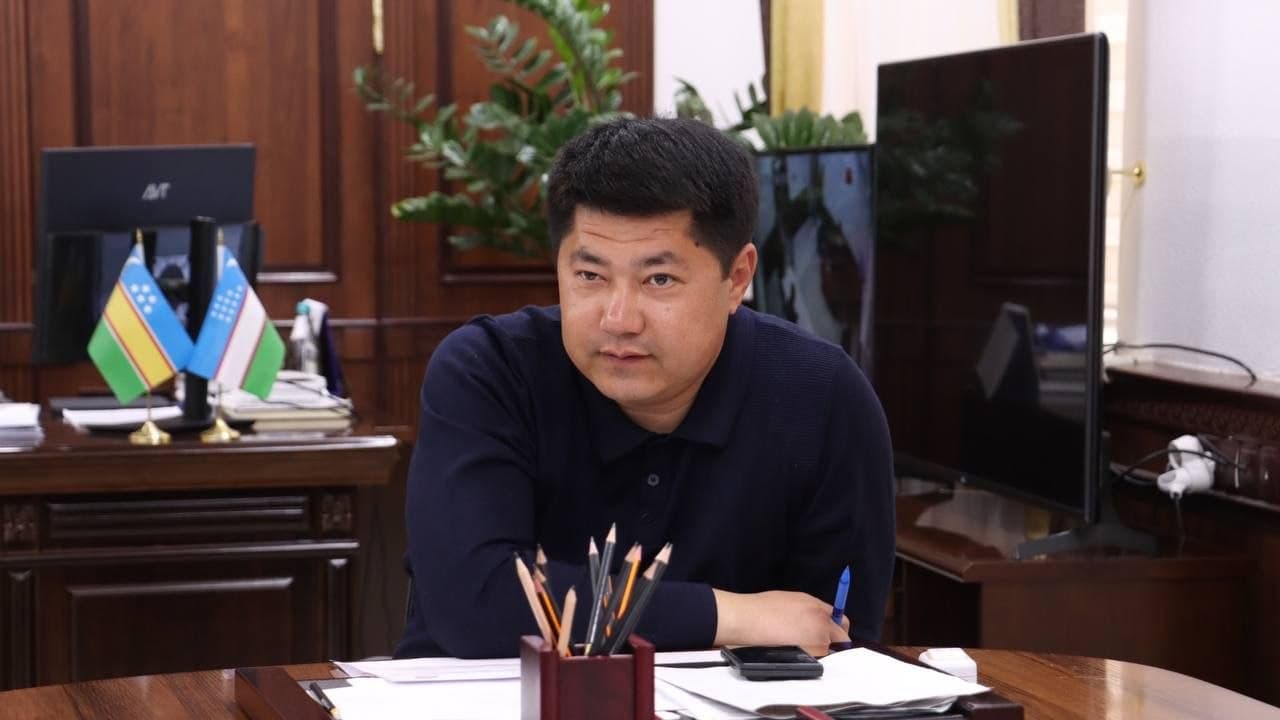
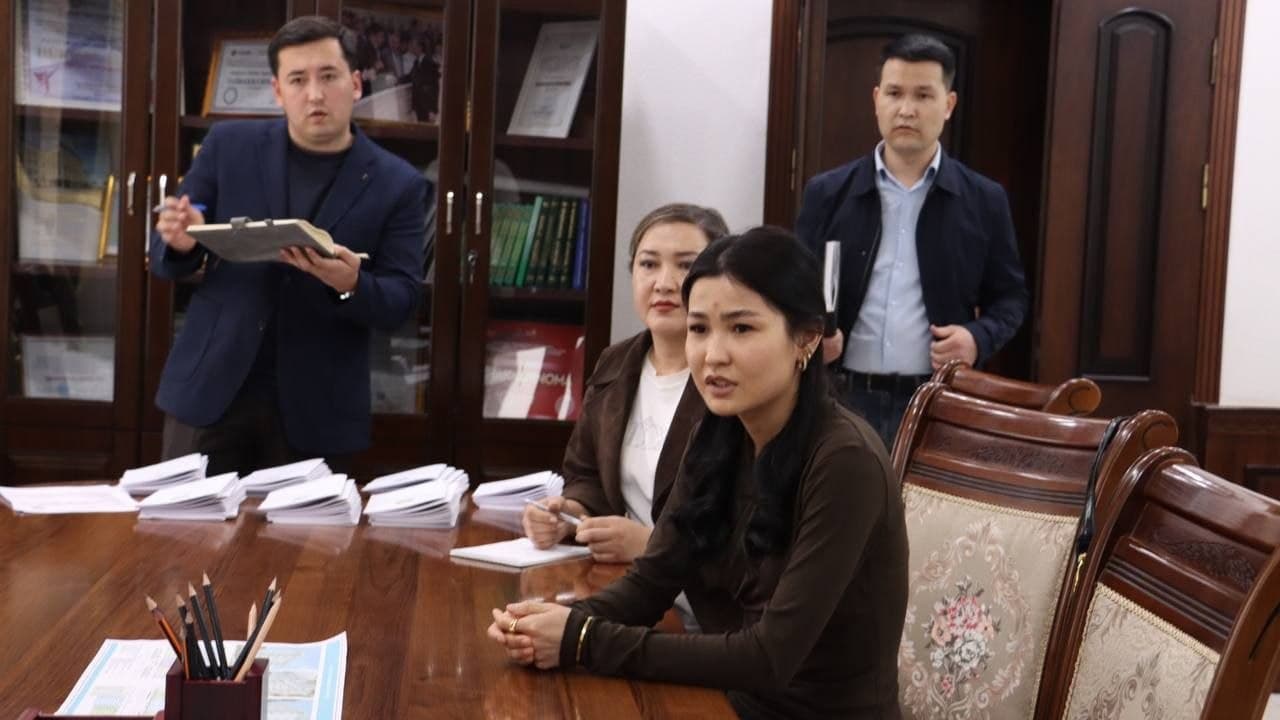
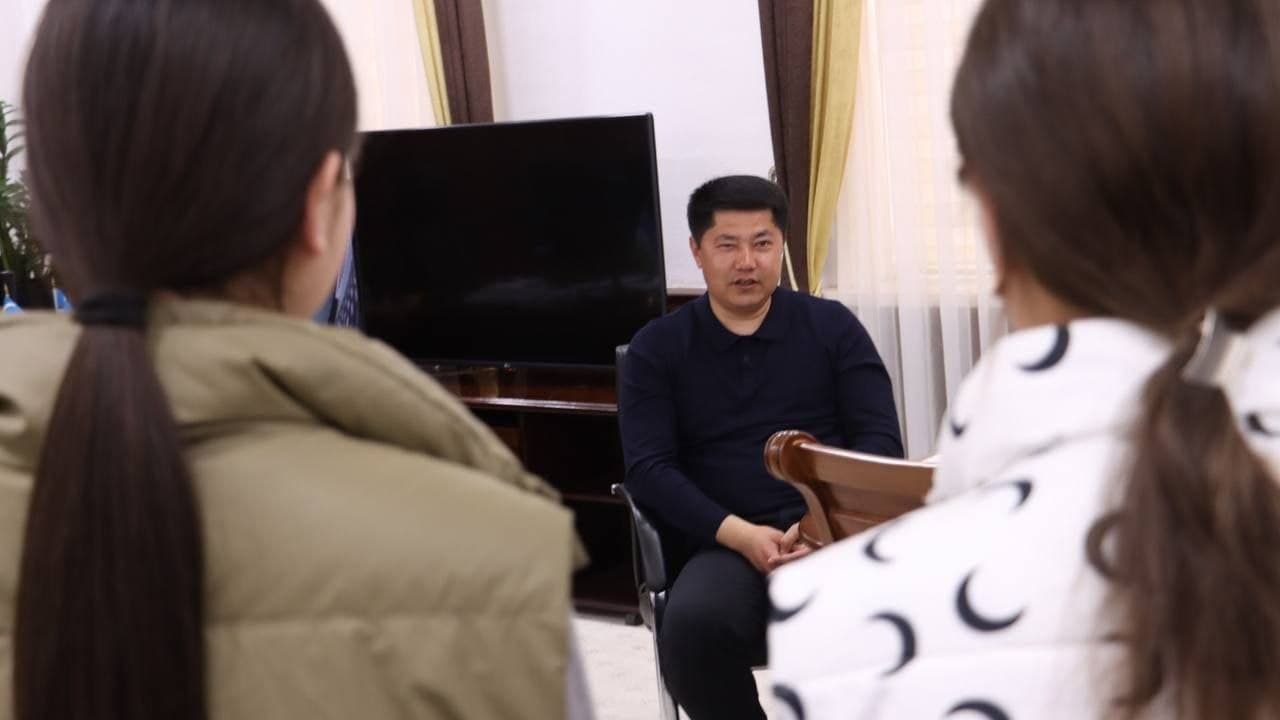
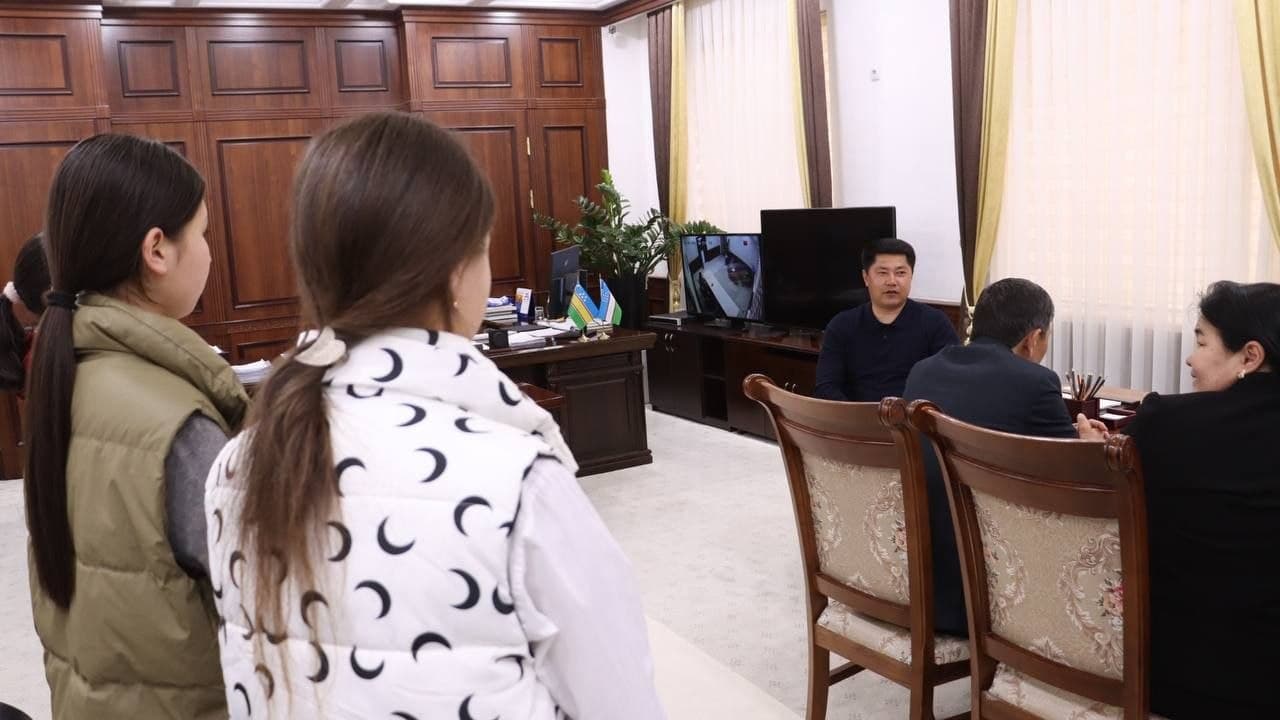
A recent meeting between Nukus Mayor A. Daniyarov and local youth stood out not only as a problem-solving platform but also as a meaningful step toward cultivating a more responsive and human-centered model of public engagement.
At the heart of the discussion were seven young individuals classified under the “red” category—those identified as the most vulnerable and in need of immediate social support.
Thanks to the “mahalla-based” governance approach introduced by the President, each concern is now addressed with precision and accountability. During the meeting, four of the most urgent issues raised by these young participants were resolved instantly—without delays, formalities, or bureaucratic barriers.
This level of responsiveness plays a critical role in strengthening trust in public institutions. More importantly, it empowers young people to move beyond dependency and take on a more active, self-driven role in society. Each resolved case represents not just an administrative success, but a renewed sense of hope for an individual’s future.
Perhaps the most striking aspect of the meeting was that three of the attendees did not request financial aid or material assistance. Instead, they sought direct communication with the mayor—looking for guidance, motivation, and direction for their personal growth.
This signals a notable shift in the mindset of Nukus youth.
Firstly, public officials are increasingly viewed not just as authority figures, but as mentors and sources of experience.
Secondly, intellectual exchange and meaningful advice are beginning to outweigh the importance of material support.
The meeting clearly demonstrated that working with youth in the “red” category must go beyond financial aid or land distribution. While four participants received tangible support, the remaining three gained something equally valuable—confidence, encouragement, and a renewed sense of purpose.
Ultimately, the core idea behind the “Thursday – Youth Day” initiative is to listen to every young voice, provide real support, and—most importantly—believe in their potential. The experience of Nukus shows that when dialogue is sincere and solutions are timely, it creates a strong foundation for a more empowered and future-ready generation.