SHORTCOMINGS SUBJECTED TO SHARP CRITICISM; STRICT MEASURES TAKEN AGAINST IRRESPONSIBLE OFFICIALS AND STAFF
2026-10-26 14:05:00 / News
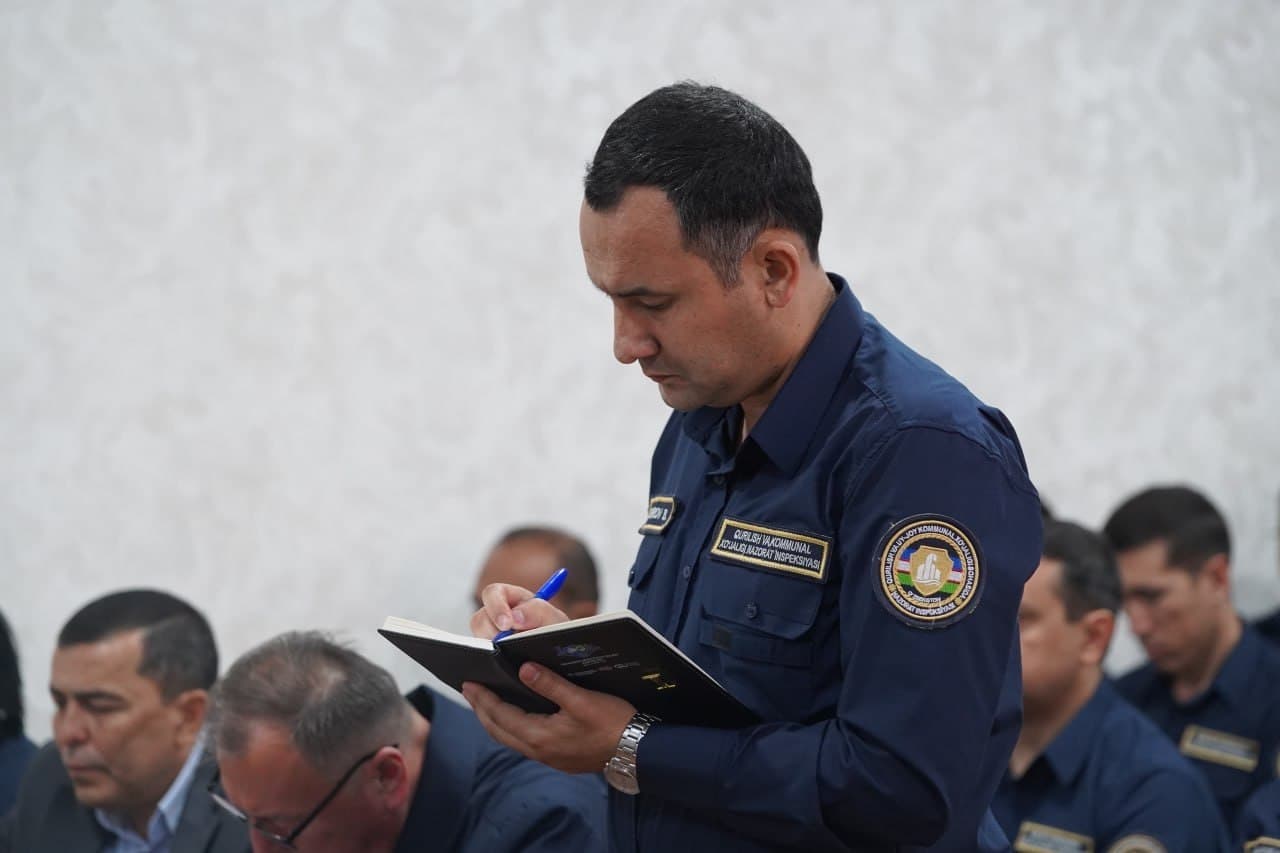
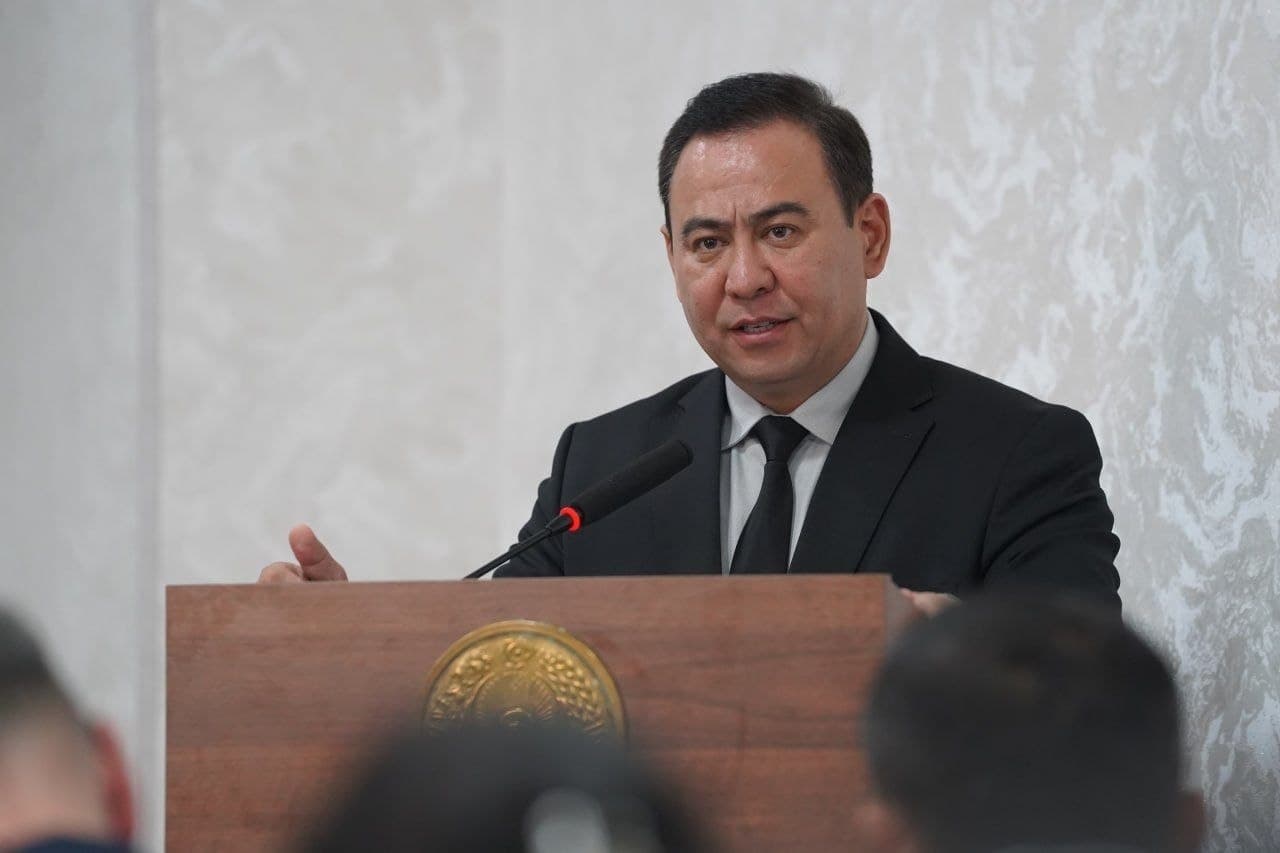
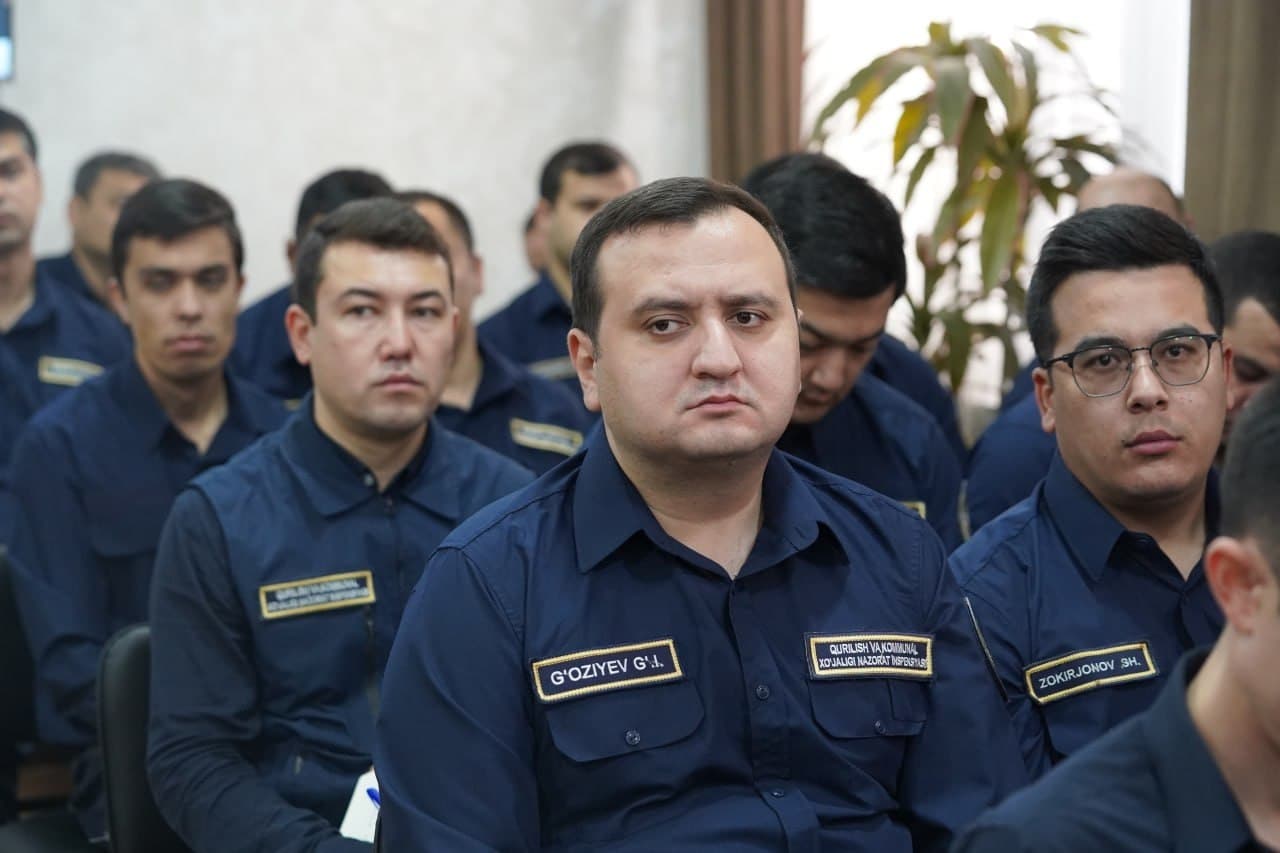
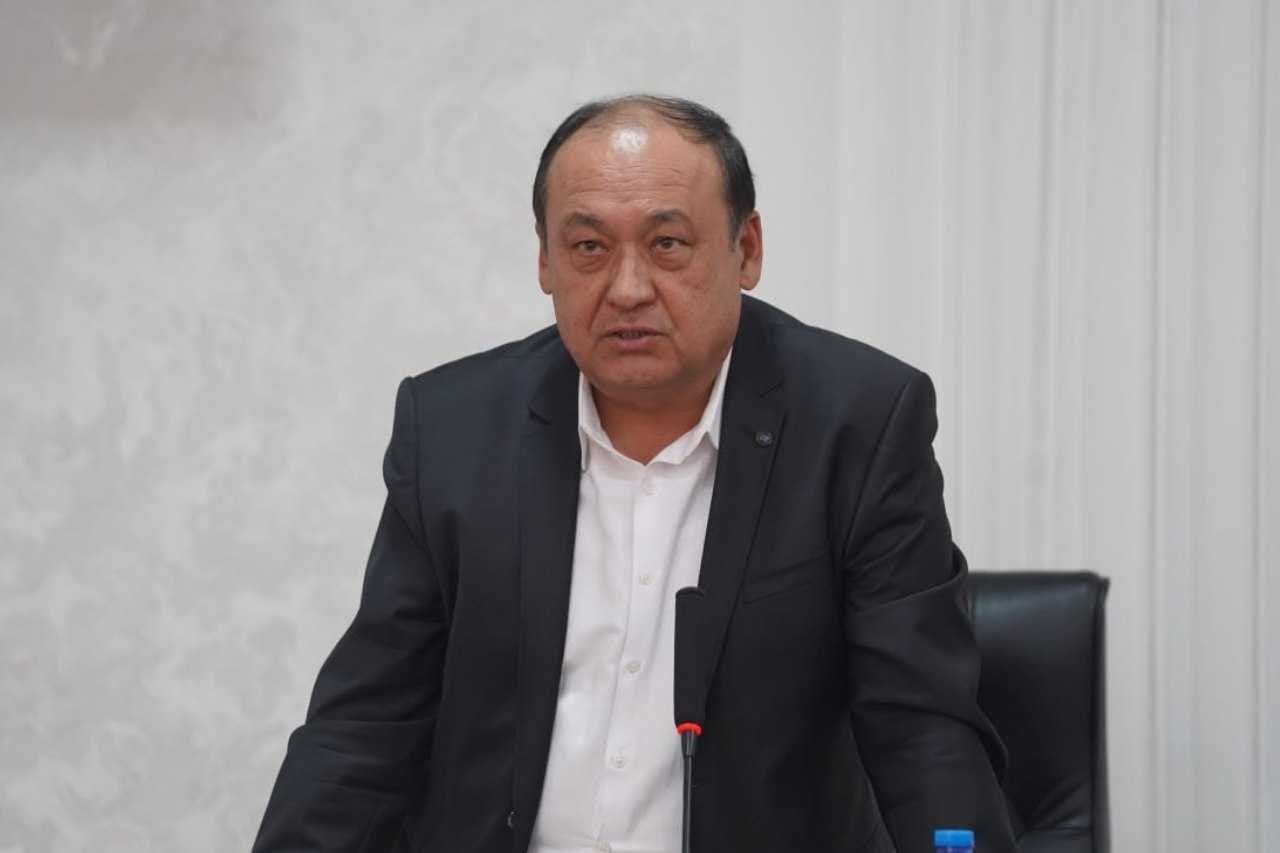
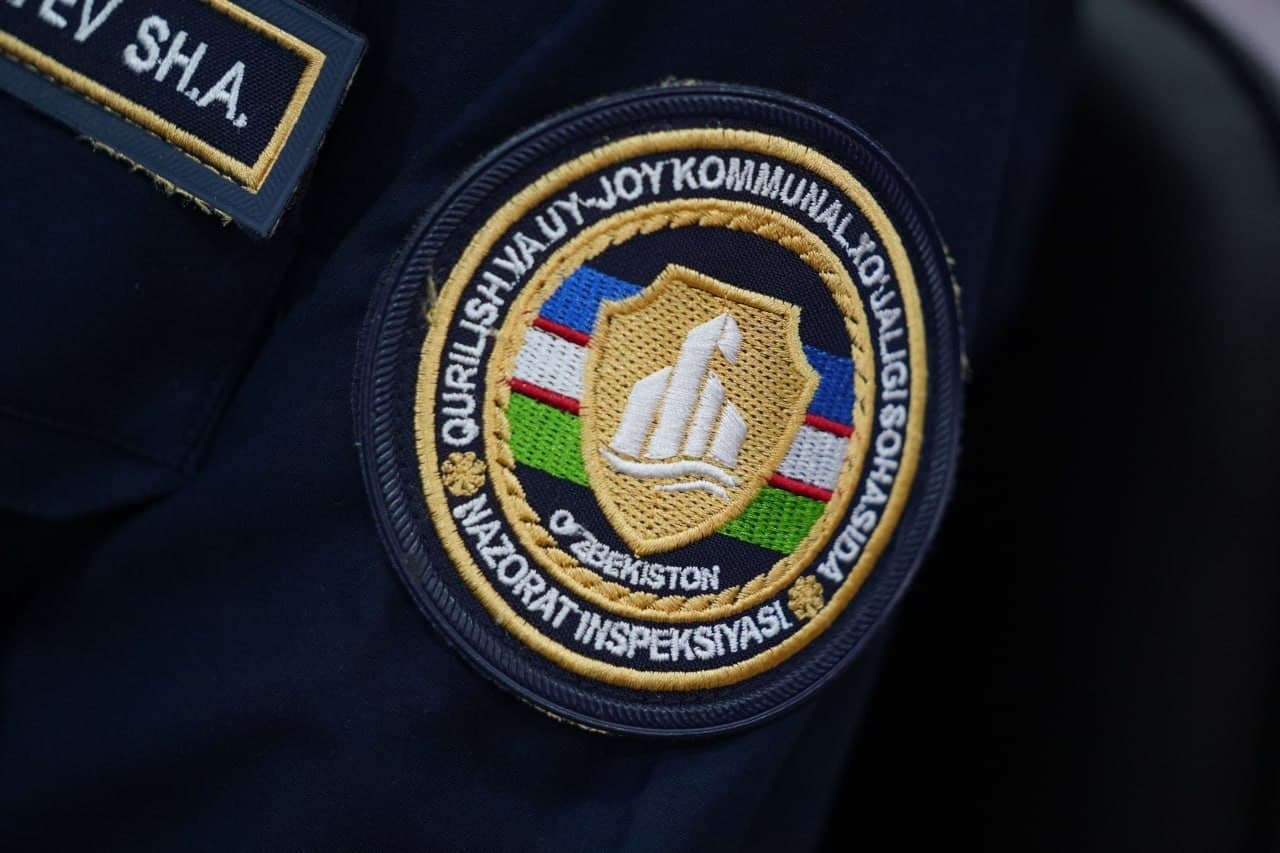
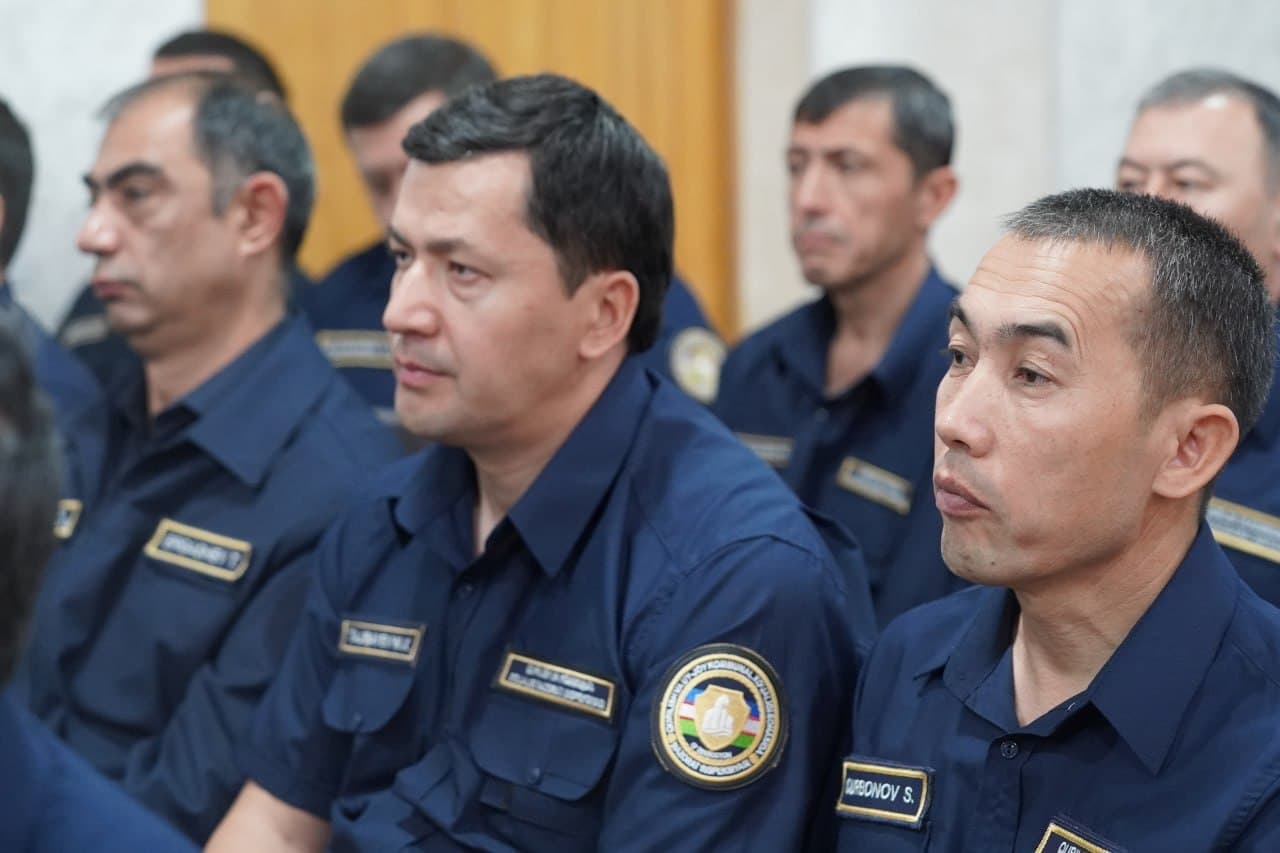
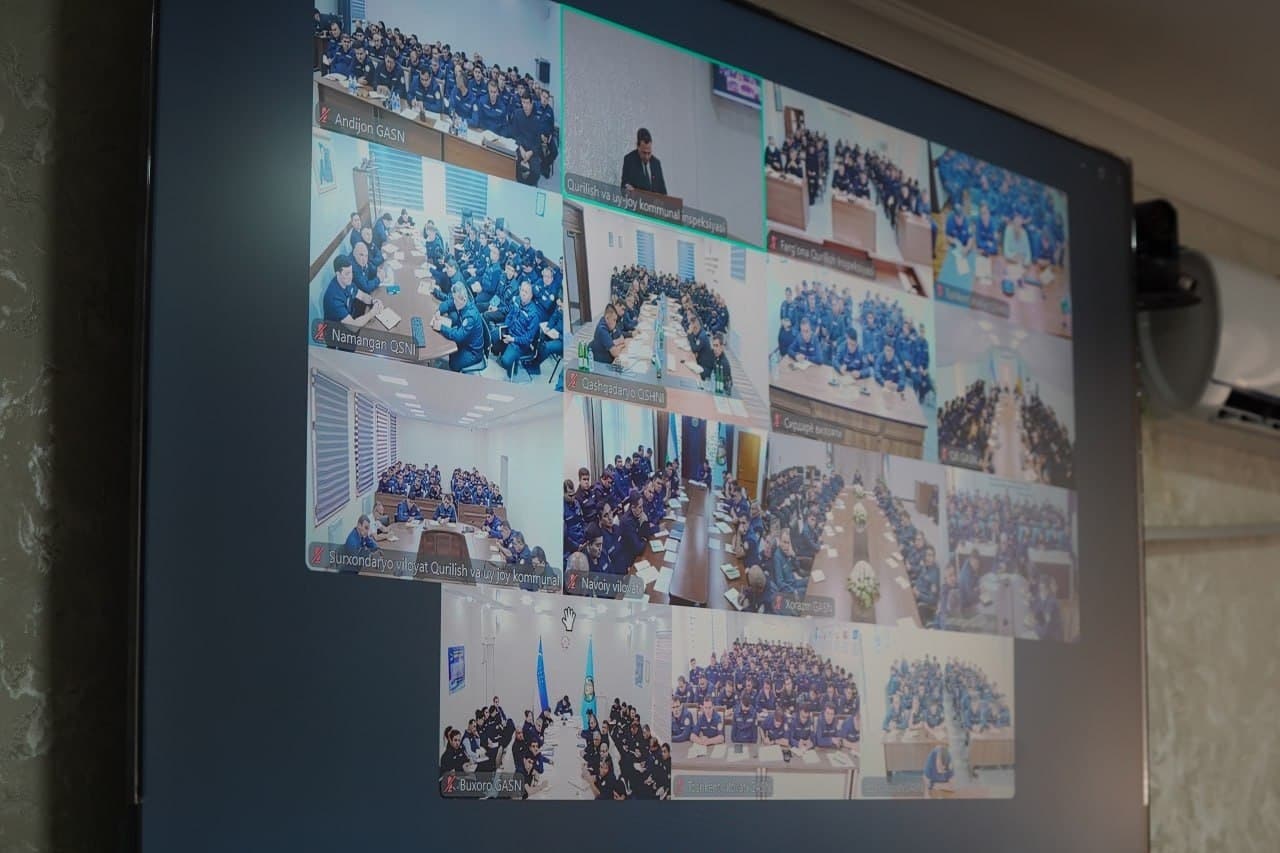
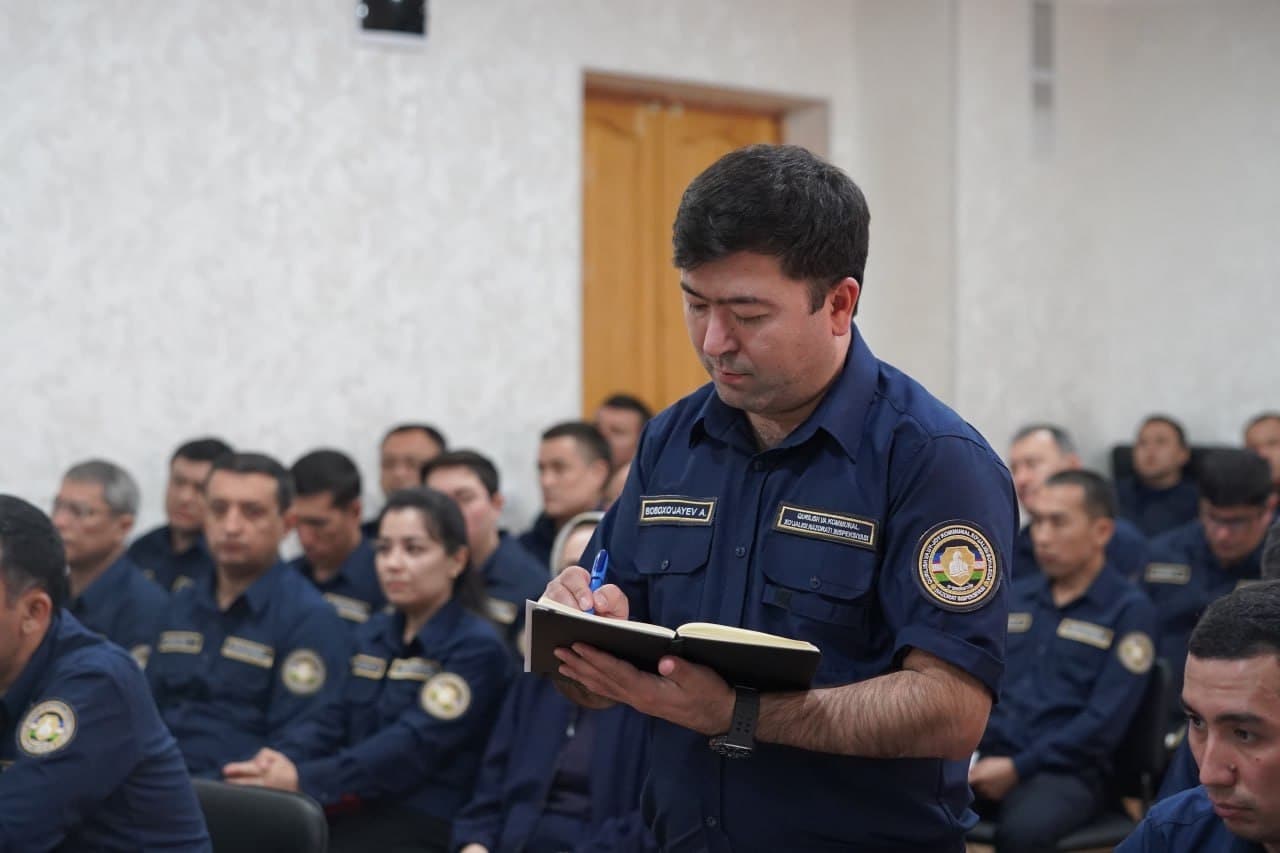
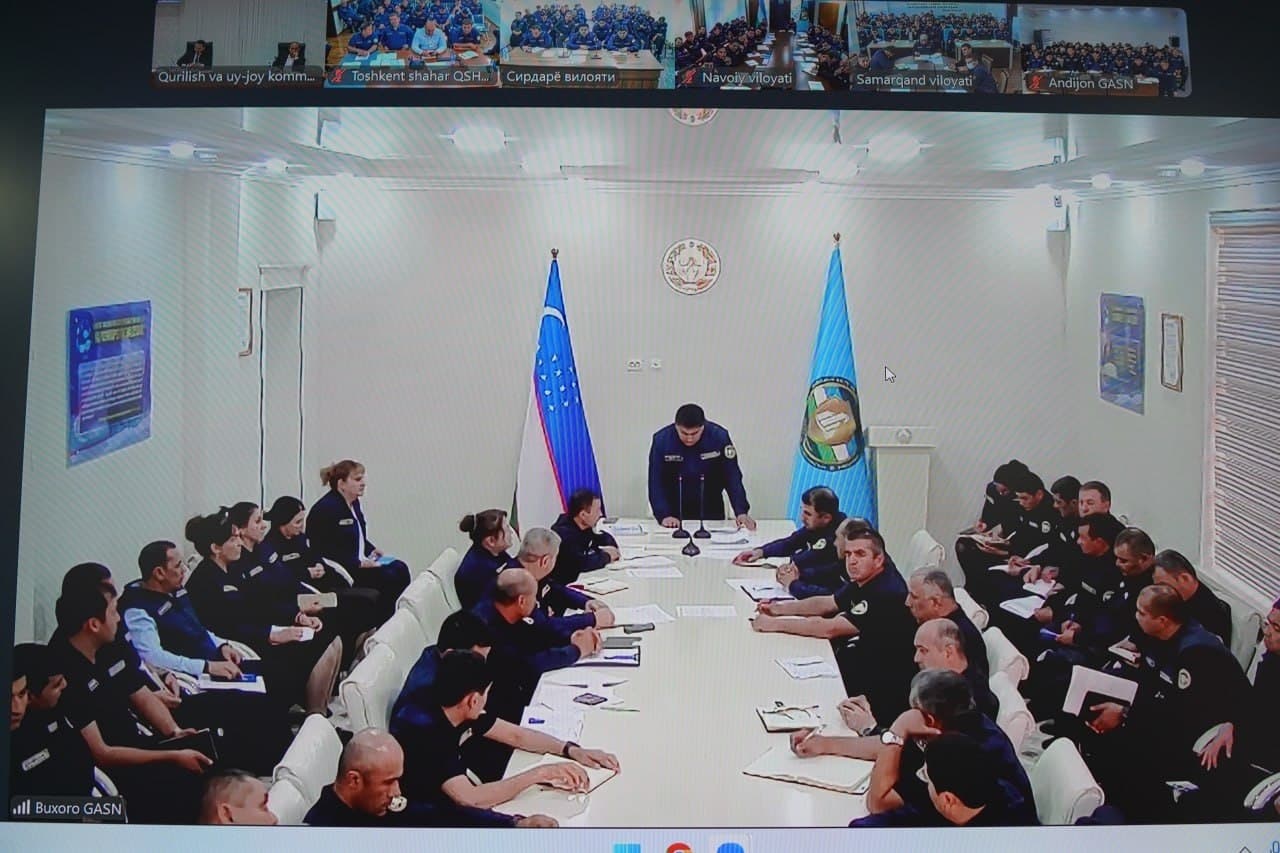
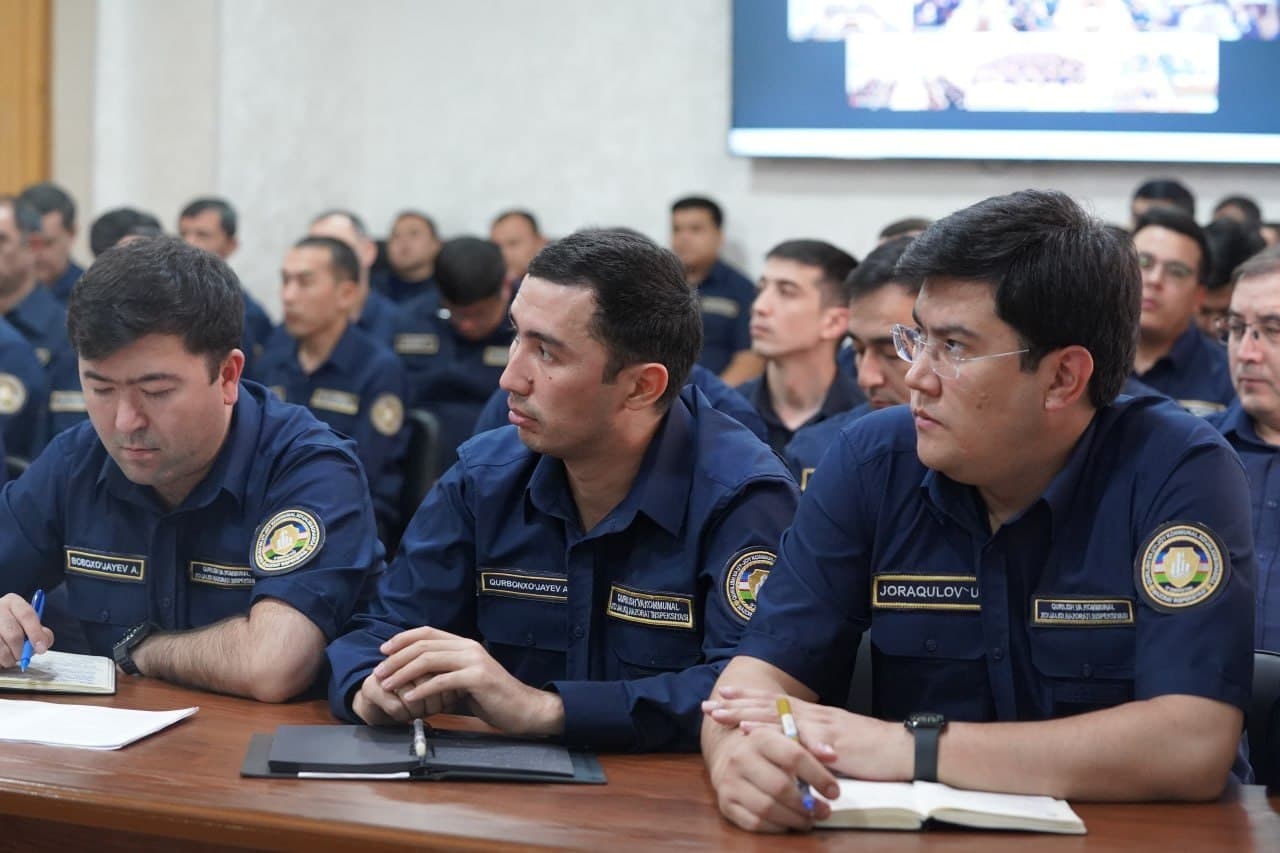
An extended meeting of the Board of the Inspection for Control in the Sphere of Construction and Housing-Communal Services was held, chaired by the head of the Inspection, to review the results of activities for the first nine months of 2026.
During the meeting, the outcomes of state oversight in the sectors of construction, housing-communal services, drinking water supply, and wastewater services were analyzed, and existing problems and shortcomings within the system were critically discussed. Particular attention was paid to enhancing the effectiveness of oversight, strengthening executive discipline, and increasing the accountability of regional inspection offices.
Over the first nine months of 2026, regional inspection offices placed 28,708 construction projects under state oversight, conducting a total of 301,272 monitoring and inspection activities.
To address identified violations, more than 215,000 mandatory written directives were issued. In cases where these directives were not fulfilled within the established timeframes, over 2,000 administrative protocols were drawn up. A total of 3,166 violations related to the breach of construction standards were rectified through demolition measures.
Furthermore, 348 formal notices were issued requiring appropriate action for violations of requirements regarding design (authorial) and technical supervision, while 1,650 notices were issued concerning the use of substandard construction materials and products.
As part of an assessment of the technical condition of the multi-apartment housing stock, 23,121 buildings were inspected, revealing nearly 6,000 instances of non-compliance. Appropriate measures have been taken to address these issues.
Monitoring activities focused on the lawful use of drinking water and sewage networks uncovered approximately 5,000 violations. Specifically, 4,053 illegal connections to drinking water networks and 542 illegal connections to sewage networks were identified, along with 545 instances where the seals on water meters had been tampered with. Consequently, additional charges totaling 27.4 billion soums were assessed in favor of water supply organizations. At the Board meeting, serious shortcomings within certain regional inspectorates were sharply criticized—specifically regarding the organization of state oversight, the handling of public appeals, the monitoring of construction participants' activities, and the enforcement of legal requirements in the public utility sector.
Several employees of regional inspectorates were dismissed from their positions for failing to properly perform their professional duties and for neglecting to organize oversight activities to the required standard. Furthermore, disciplinary measures were taken against a number of heads of regional inspectorates and their deputies who were responsible for these significant shortcomings.
At the conclusion of the meeting, a Board resolution was adopted, focusing on enhancing the effectiveness of state oversight, the early detection and rectification of legal violations at construction sites, monitoring the technical condition of multi-apartment residential buildings, ensuring the lawful use of utility networks, implementing digital oversight mechanisms, and strengthening cooperation among responsible organizations.
Heads of regional inspectorates were assigned specific tasks to ensure the unconditional execution of directives, improve the outcomes of oversight activities, and reinforce personal accountability. An uncompromising approach will continue to be applied toward instances of laxity and irresponsibility in state oversight.