Inspection Discusses Early Identification and Prevention of Corruption Risks
2026-11-05 14:20:00 / News
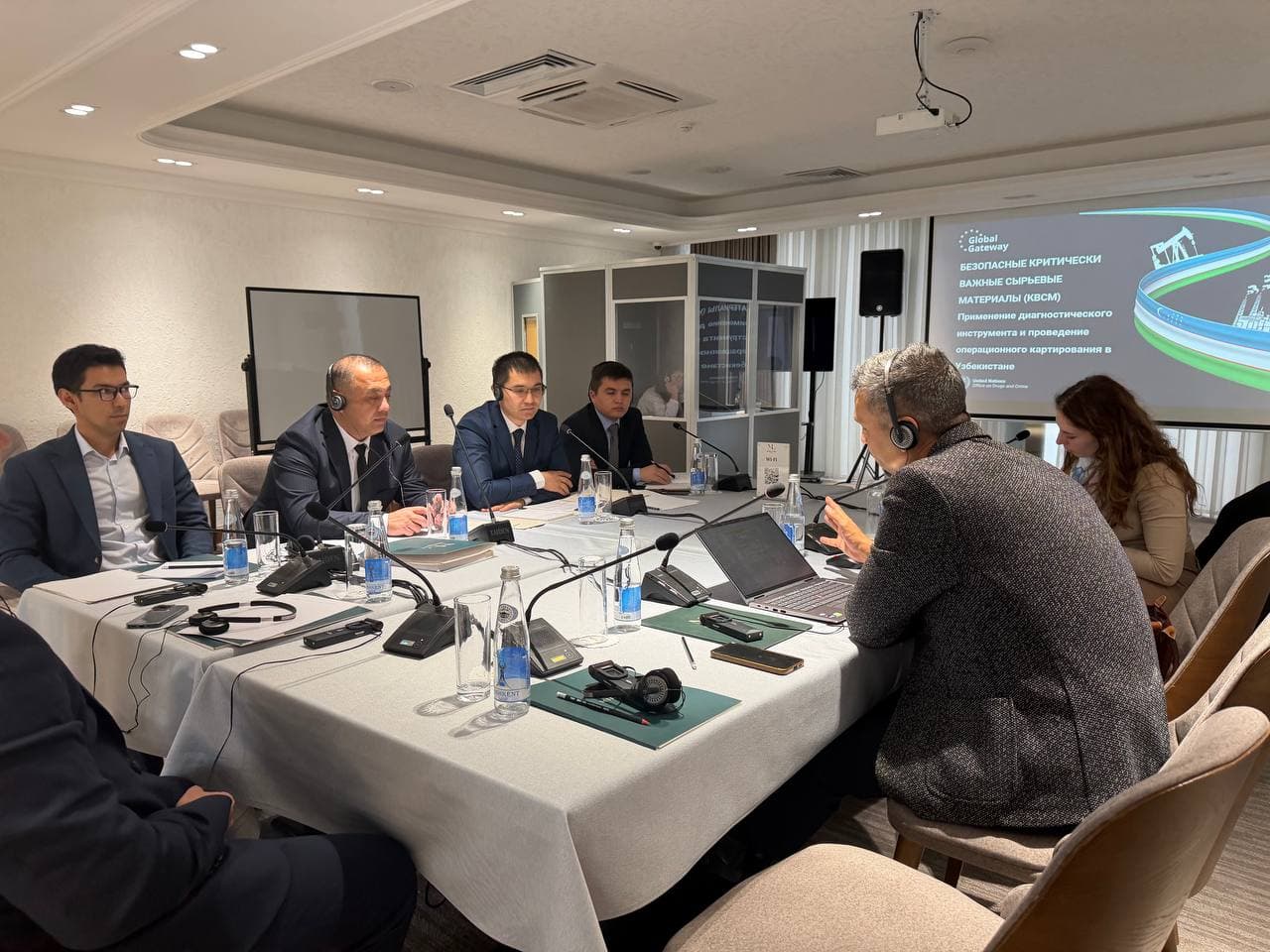
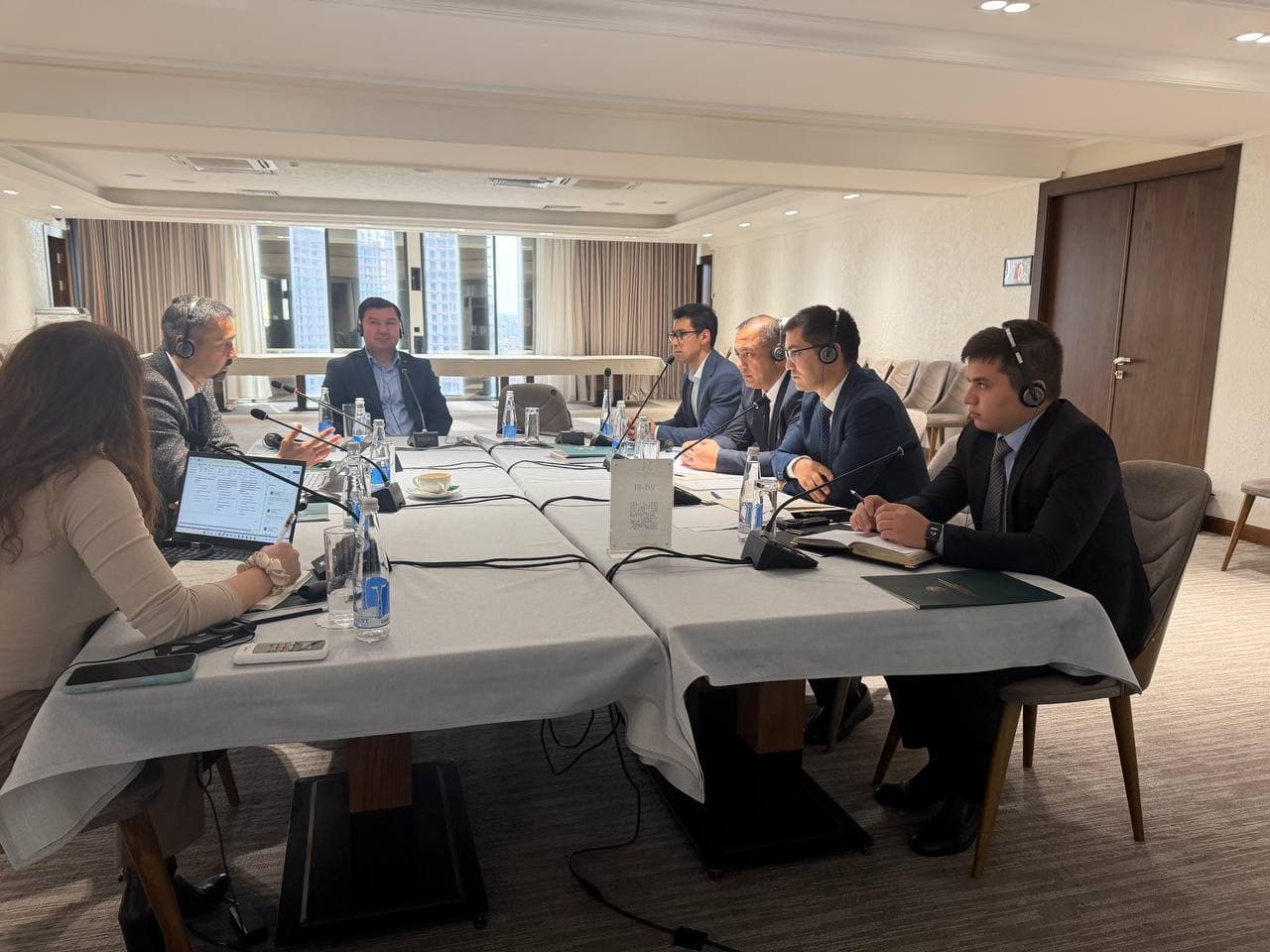
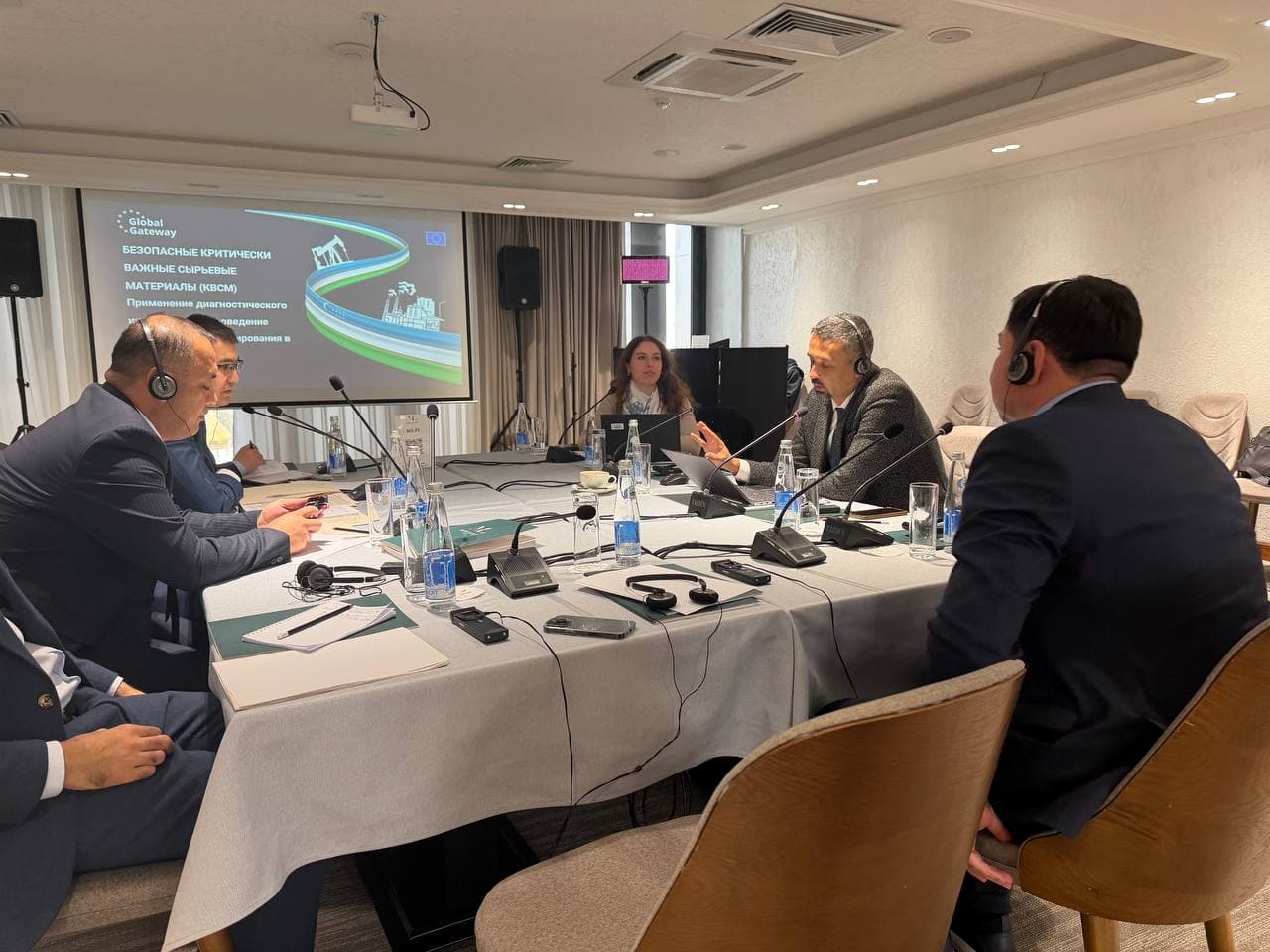
The Inspectorate for Control in the Mining Industry and Geology held discussions on identifying, assessing, and preventing corruption risks in state supervision and industrial safety.
The discussions were conducted in cooperation with the Anti-Corruption Agency of the Republic of Uzbekistan and the United Nations Office on Drugs and Crime (UNODC).
The main focus was on identifying the causes and conditions that may facilitate violations of legislation before corruption occurs, rather than addressing the consequences of corrupt practices after they have taken place.
Corruption risks may arise at various stages of state supervision. In particular, transparency is essential when organizing inspections, conducting supervisory activities, documenting identified violations, and making relevant decisions.
In this context, attention was given to assessing corruption risks within the Inspectorate, examining the factors contributing to their emergence, and improving existing administrative procedures.
The discussions also addressed the importance of ensuring impartiality in industrial safety inspections, reducing risks associated with human involvement in decision-making, and increasing the transparency of state supervision mechanisms.
Digitalization of state supervision processes was considered as a separate area of discussion. The use of electronic systems may help document inspection procedures, track the consistency of decisions, and strengthen accountability in supervisory activities.
Participants also discussed the need for regular corruption risk assessments, the development of organizational measures to reduce risk factors, and the improvement of preventive mechanisms.
This approach means that state supervision should not be limited to identifying violations of legislation. It should also address the underlying causes and conditions that contribute to such violations.
Reducing corruption risks can help establish equal conditions for businesses, prevent unjustified administrative barriers, and strengthen confidence in supervisory procedures.
Such improvements are an important factor in supporting lawful business activities in the mining industry and protecting economic interests.