Ministry of Mining Industry and Geology Reviews Performance for the First 9 Months of 2026
2026-11-02 16:35:00 / News

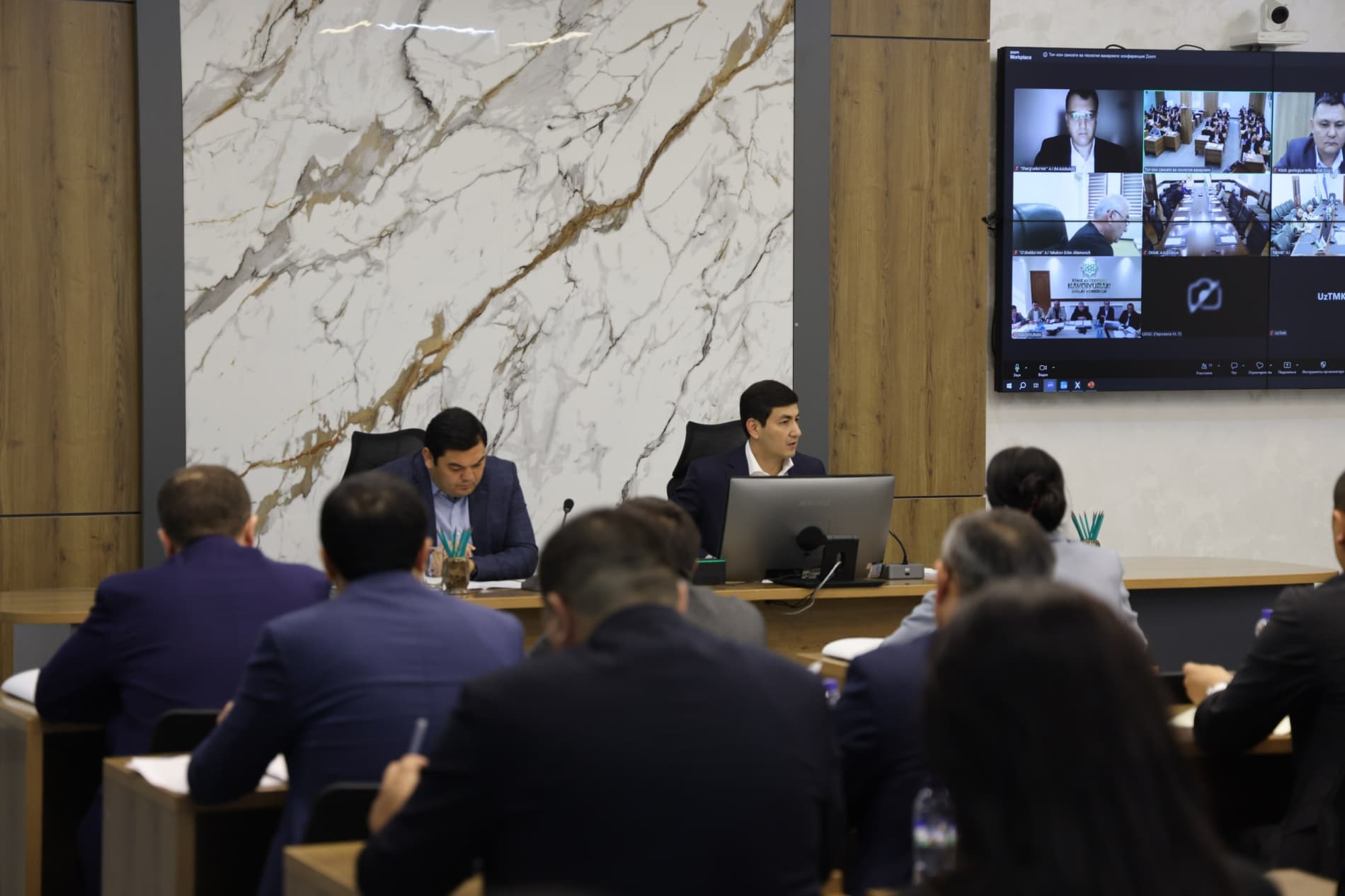
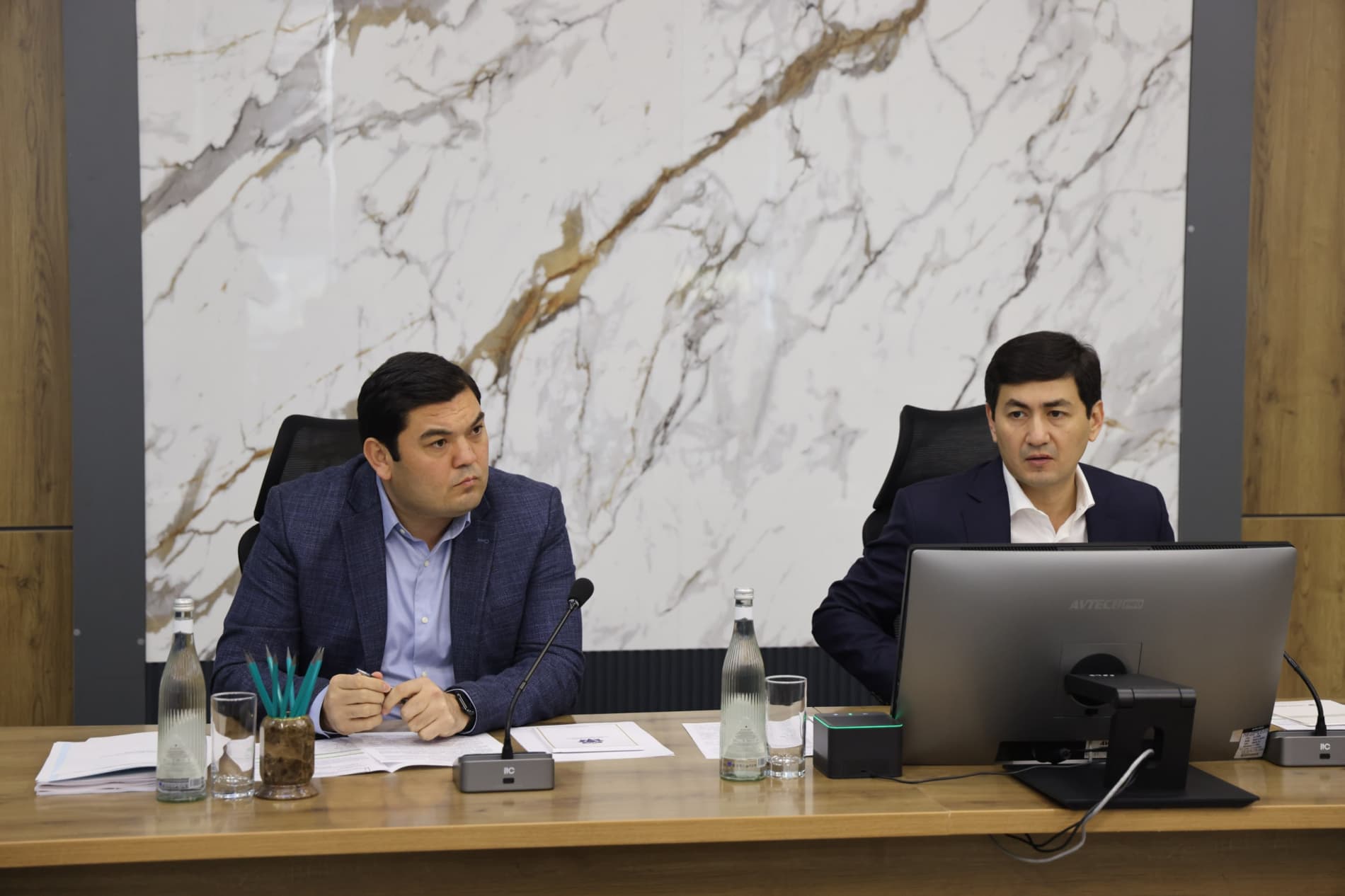


An expanded meeting of the Board of the Ministry of Mining Industry and Geology of the Republic of Uzbekistan was held to review the sector's performance during the first 9 months of 2026. The meeting focused on completed activities, economic and financial results, and priorities for the upcoming period.
Particular attention was paid to improving the efficiency of public administration in the mining and geology sectors, addressing existing challenges, strengthening regulatory oversight mechanisms, and accelerating digital transformation.
The meeting was chaired by Minister of Mining Industry and Geology B. Islamov. Participants included I. Jumayev, a responsible official of the Cabinet of Ministers, heads of structural divisions of the Ministry's central administration, and executives of organizations operating within the Ministry's system.
Deputy Minister U. Yusupov presented a report on the Ministry's performance during the first 9 months of 2026. The report covered completed activities, economic indicators, financial and operational results, existing challenges, and proposals for addressing them.
Reports were also presented by the heads of the Technological Transformation Center, Navoi Mining and Metallurgical Company JSC (NMMC), Almalyk Mining and Metallurgical Complex JSC (AMMC), Navoiyuran State Enterprise, Uzmetkombinat JSC, UzTMK JSC, the Center for Subsoil Use, the Inspectorate for Control in the Mining Industry and Geology, Uzbekhydrogeology, and the University of Geological Sciences.
During the discussions, participants emphasized the need to improve coordination among organizations within the Ministry's system, ensure the timely implementation of assigned tasks, and develop practical solutions to existing problems.
At the conclusion of the meeting, measures were identified to strengthen implementation discipline, establish closer supervision of digitalization processes, and ensure progress on the sector's priority objectives.
From an analytical perspective, such discussions provide an opportunity to assess the performance of organizations based on overall results and reinforce institutional accountability. In particular, the digitalization of regulatory oversight processes may improve information transparency and strengthen mechanisms for preventing violations.
Effective oversight of the lawful and rational use of subsoil resources is essential for conserving natural resources, protecting state interests, and supporting sustainable economic activity in the mining industry.