
Illegal Extraction of 5.3 Million Cubic Metres of Minerals Detected in Nine Months
2026-10-29 14:50:00 / News
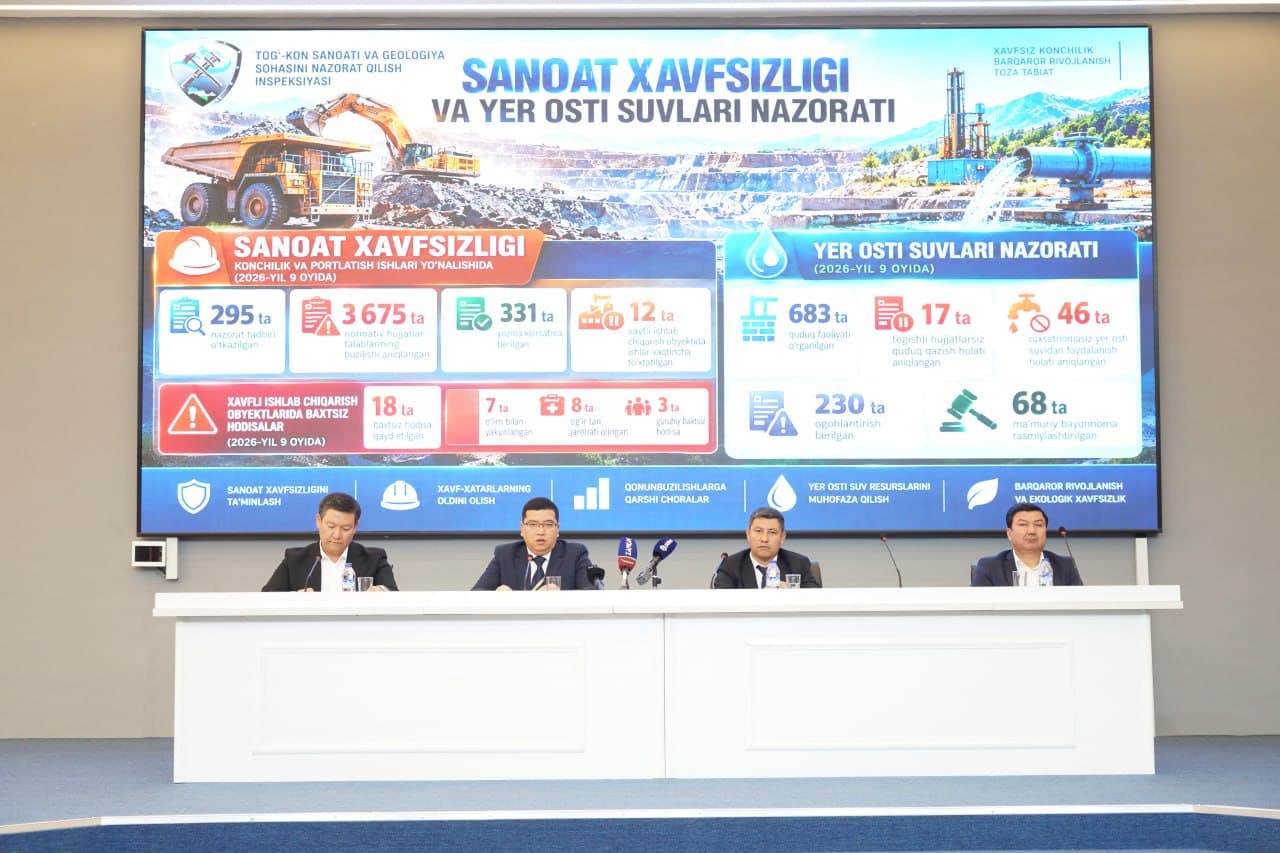
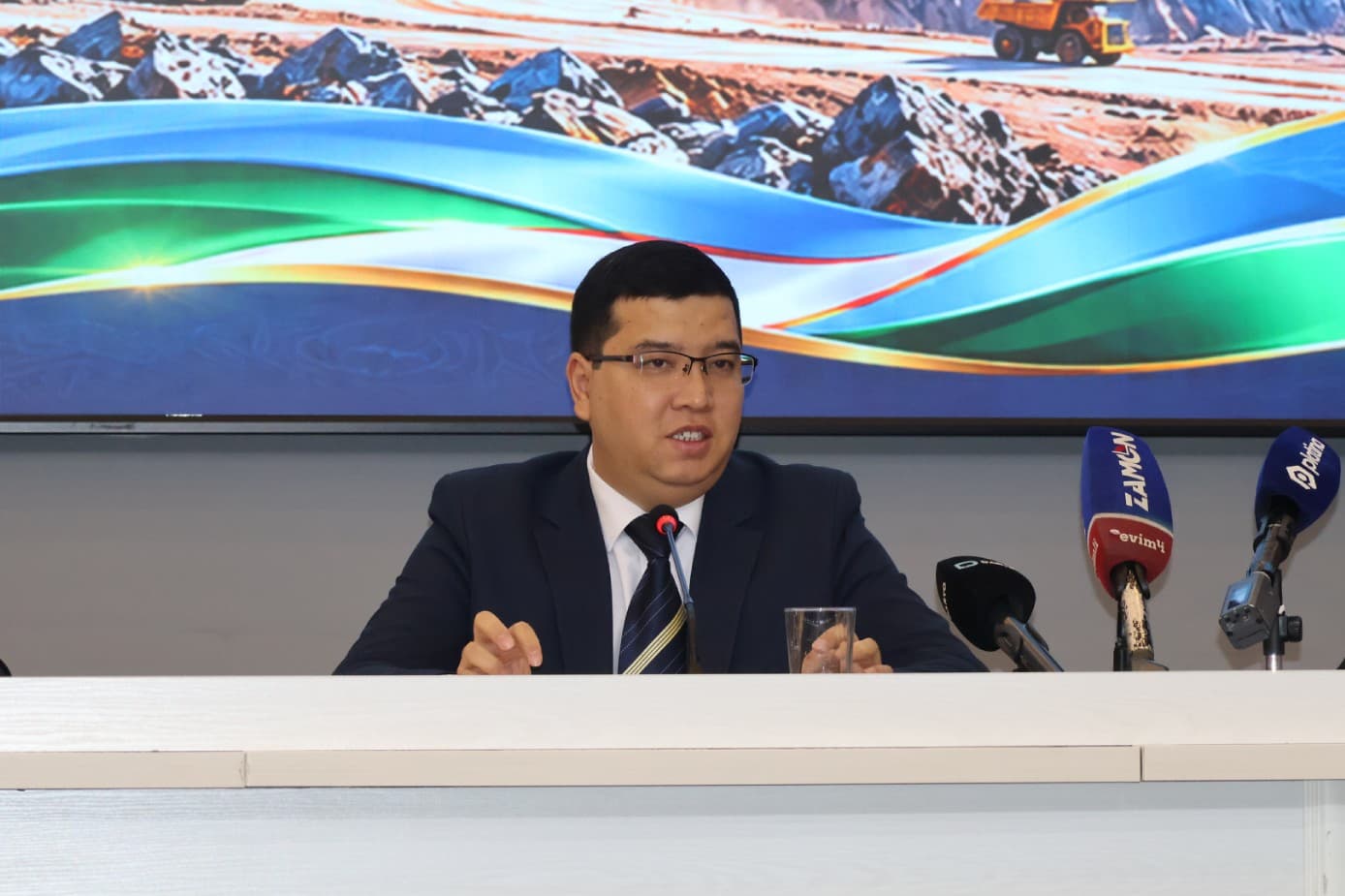
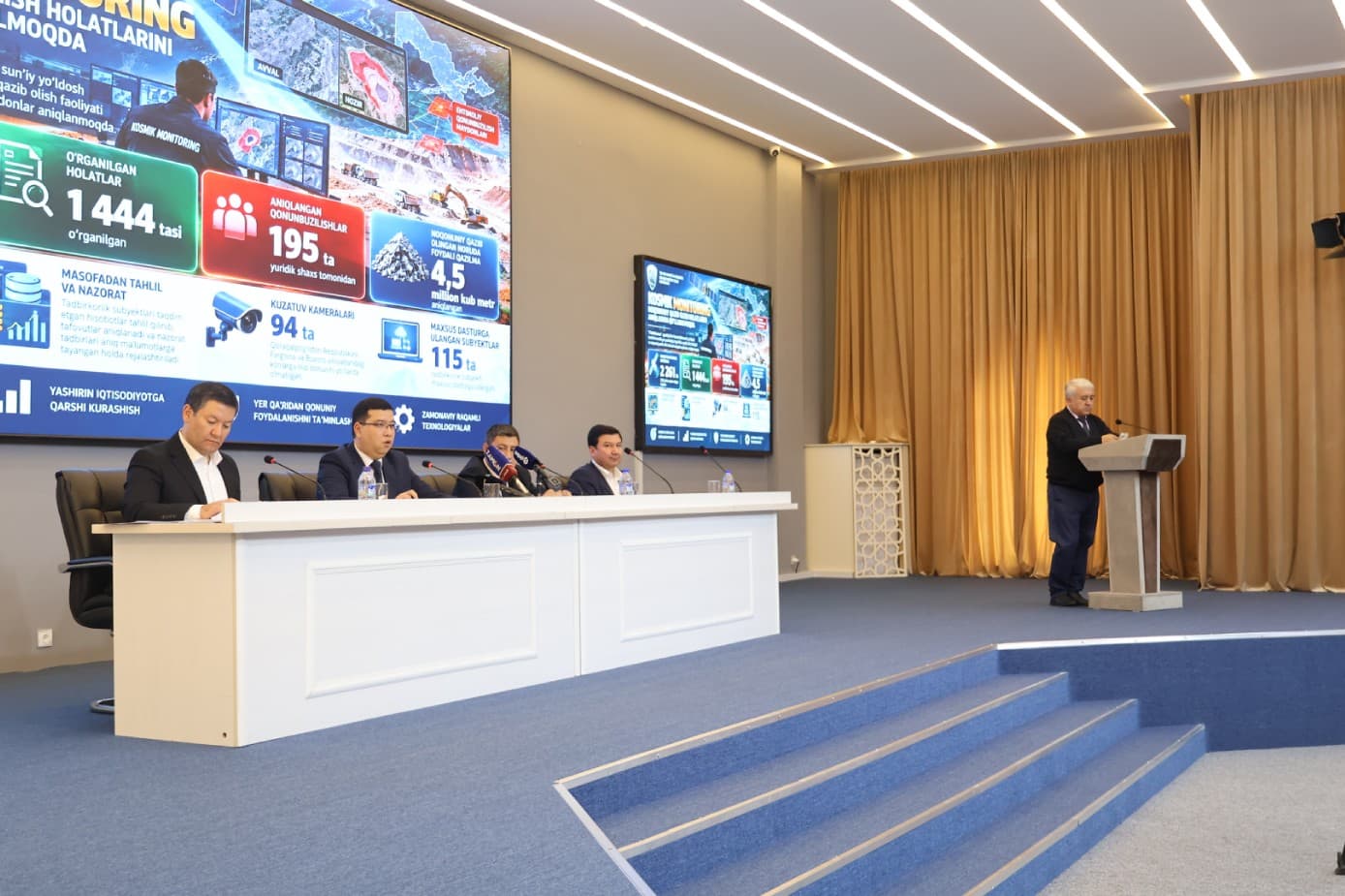
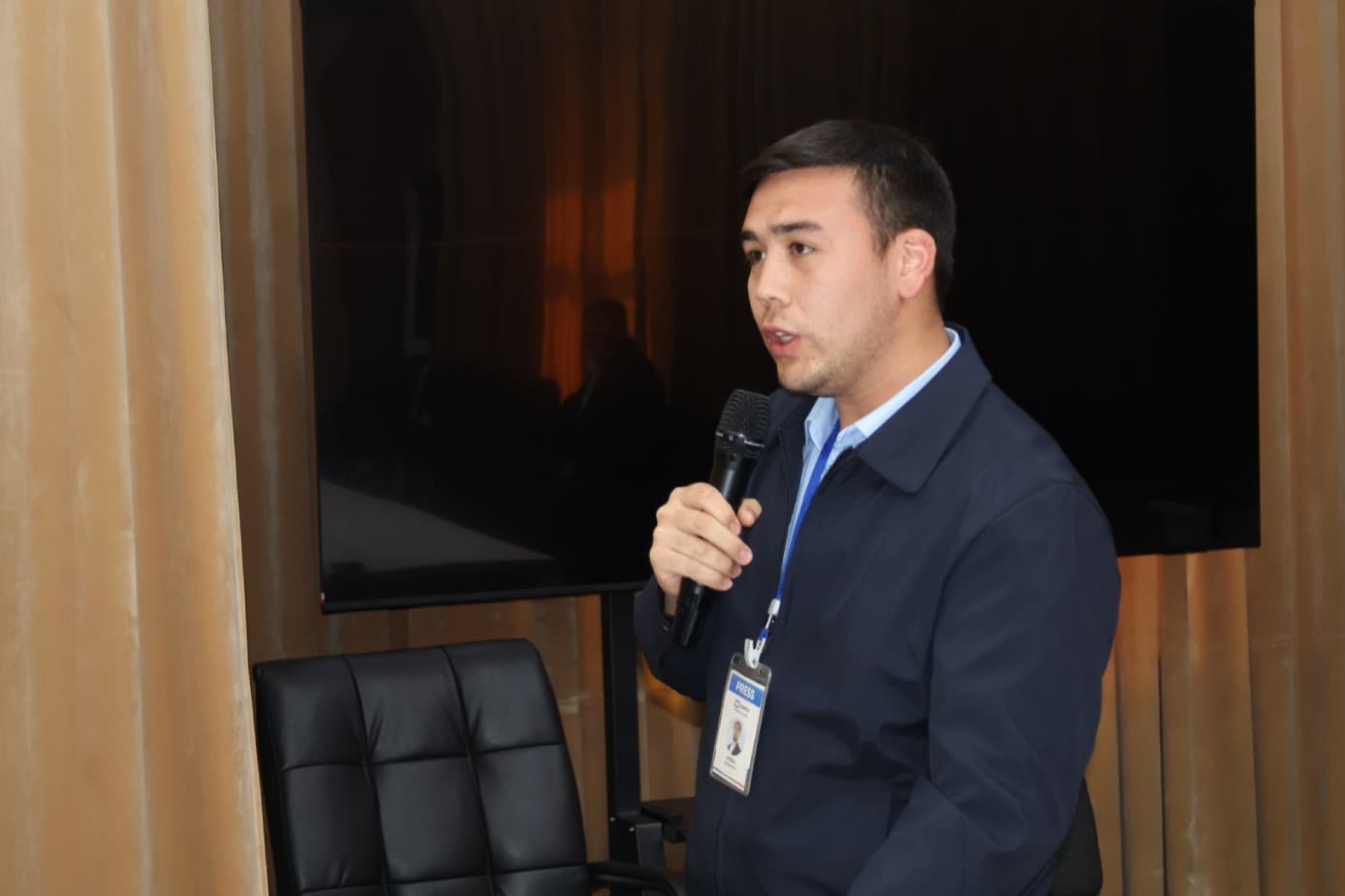
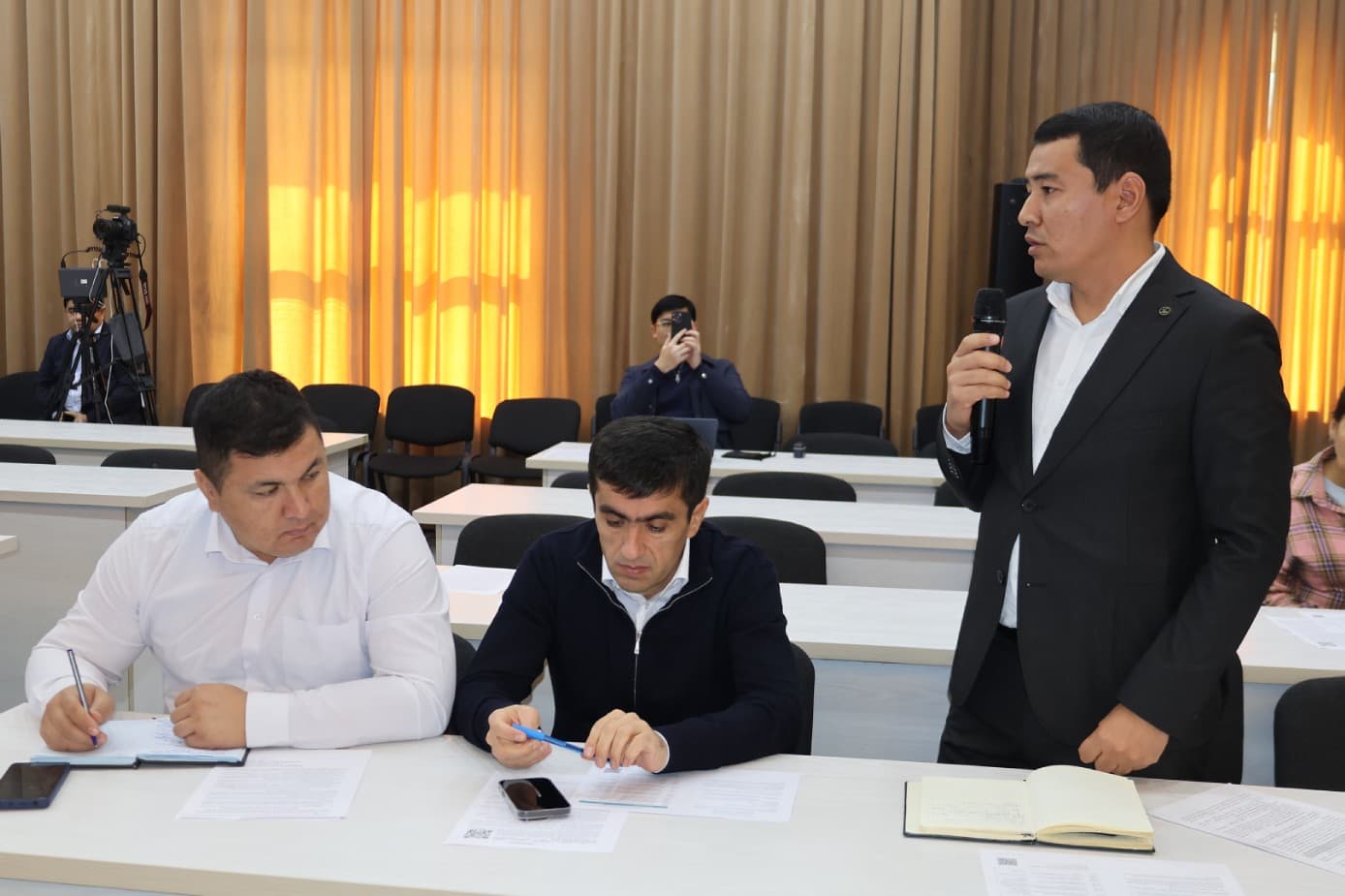
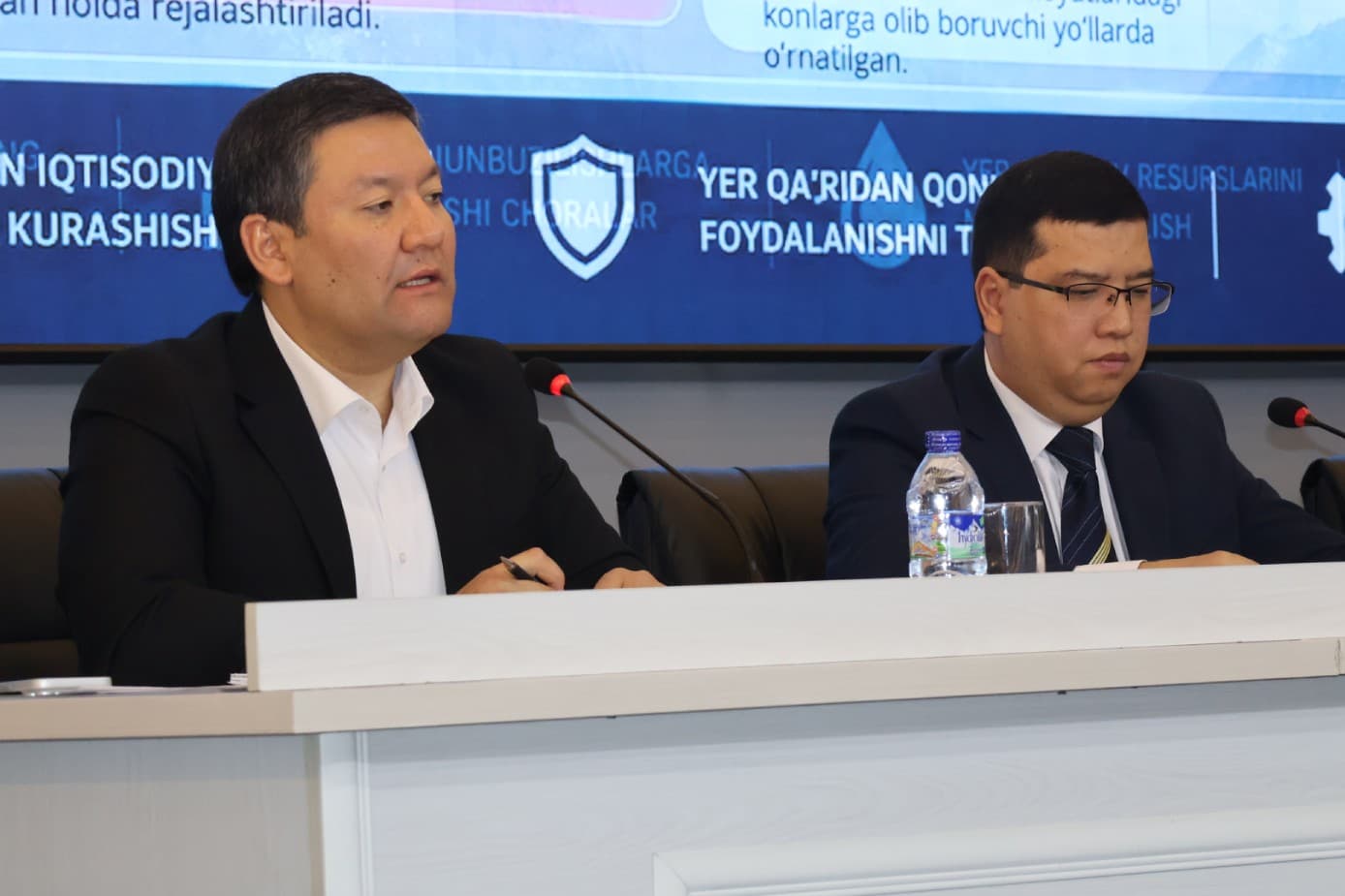
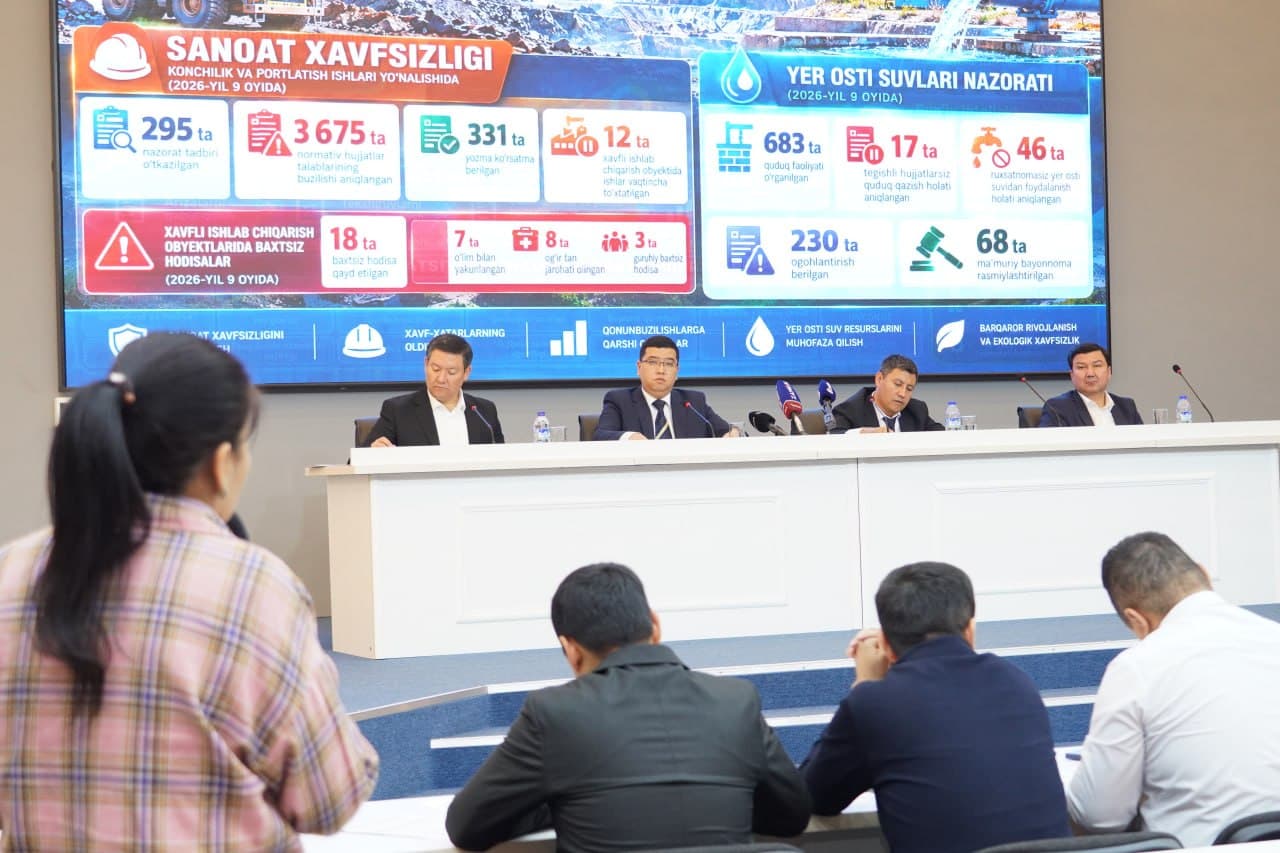

A press conference dedicated to the results of the first nine months of 2026 was held at the Content Production Centre in Tashkent by the Inspectorate for Control in the Mining Industry and Geology.
The event addressed the prevention of illegal subsoil use, efforts to combat the shadow economy, industrial safety, and the introduction of modern digital technologies into state oversight.
Participants included B. Rakhimov, Head of the Department for Mining and Geological Control and Non-Metallic Raw Materials at the Ministry of Mining Industry and Geology, representatives of the Inspectorate, and members of the media.
According to the Inspectorate, 576 supervisory activities were conducted in the field of subsoil use between January and September 2026. As a result of 235 inspections, the illegal extraction of 5.3 million cubic metres of minerals was identified. The damage caused to the interests of the state and society was assessed at 106 billion Uzbek soums.
Materials relating to the identified violations were forwarded to law enforcement agencies for legal assessment and the application of measures provided for by legislation.
Particular attention during inspections was paid to the concealment of actual mineral extraction volumes, the submission of inaccurate reporting data, and non-compliance with permit conditions.
In cooperation with the Tax Committee and other competent authorities, the Inspectorate compared actual mineral extraction volumes with tax declarations. Measures aimed at identifying and reducing unreported economic activity resulted in the collection of an additional 10.2 billion soums in tax revenue for the state budget.
These efforts help ensure accurate accounting of extracted minerals, proper fulfilment of tax obligations, and fair competitive conditions for businesses operating legally.
Legal claims were filed with the courts concerning 117 permits held by business entities that had violated mineral extraction conditions. As a result, 43 permits were revoked ahead of their expiry dates, while relevant submissions were made concerning another 55 permits.
The press conference also addressed the results of satellite-based monitoring technologies used to detect potentially illegal extraction activities remotely.
In cooperation with the Uzbekcosmos Agency, satellite imagery is being used to monitor mineral extraction areas, changes to the Earth's surface, and locations where illegal activities may be taking place.
In particular, in 2025, 1,444 of the 2,261 cases identified and submitted through satellite monitoring were examined. The findings established that 195 legal entities had extracted 4.5 million cubic metres of non-metallic minerals.
Satellite monitoring makes it possible to observe changes across extensive territories remotely, identify potential violations, and prioritise inspections in areas where the risk of non-compliance is higher.
In addition, the Geomonitoring information system has been integrated with the information resources of the Tax Committee. This enables the comparison of reported mineral extraction volumes with tax declarations and the remote identification of discrepancies.
To improve the effectiveness of oversight, a total of 94 surveillance cameras have been installed on roads leading to mineral deposits in the Republic of Karakalpakstan, Fergana Region, and Bukhara Region. In addition, 115 business entities have been connected to a specialised software system.
The conference also provided information on industrial safety and compliance with regulatory requirements during mining and blasting operations.
During the first nine months of 2026, 295 supervisory activities were carried out in this area, identifying 3,675 violations of regulatory requirements. Authorities issued 331 written orders to address identified deficiencies, while operations at 12 hazardous production facilities were temporarily suspended.
During the reporting period, 18 workplace accidents were recorded at hazardous production facilities. Of these, 7 resulted in fatalities, 8 involved serious bodily injuries, and 3 were classified as group accidents involving multiple individuals.
These figures highlight the need to strengthen preventive oversight of industrial safety requirements, identify workplace hazards at an early stage, and protect workers' lives.
In the area of groundwater use, the operations of 683 wells were examined. The inspections identified 17 cases of well drilling without the required documents and 46 cases of groundwater use without the necessary permits.
To prevent further violations and address identified deficiencies, 230 warnings were issued and 68 administrative offence reports were drawn up.
The press conference also presented ongoing efforts to digitalise state oversight procedures.
Following a cooperation memorandum signed on 1 May 2026 between the Inspectorate and LLC Unified Integrator UZINFOCOM, work is underway to develop the unified information system E-Yer Qa’ri Nazorati (Electronic Subsoil Control).
To date, the system's conceptual architecture and an initial functional version comprising the first 4 modules have been developed. The platform, which is expected to include a total of 11 core modules, is planned for implementation in two stages.
The new platform is intended to bring application processing, inspection registration, the preparation of inspection reports and written orders, reporting, and compliance monitoring into a unified digital environment.
The system is also expected to be integrated with the information resources of 21 government agencies, including the Tax Committee, the Ministry of Justice, internal affairs bodies, prosecution authorities, and other institutions.
This integration is designed to reduce duplicate data entry during supervisory procedures, accelerate information exchange between government agencies, and support evidence-based decision-making. It is also expected to reduce reliance on manual procedures and improve transparency in state oversight.
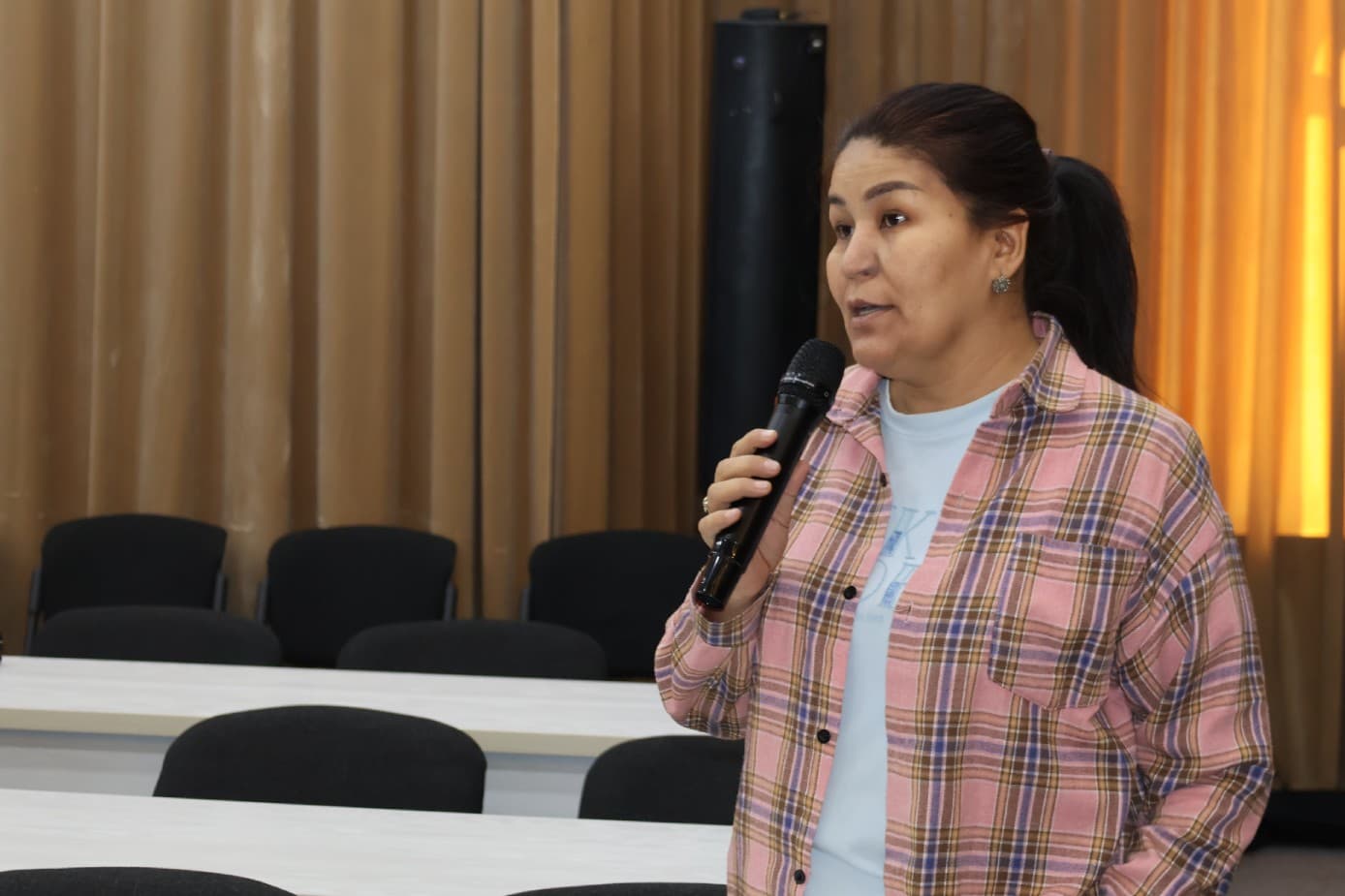
At the conclusion of the press conference, Inspectorate representatives answered questions from journalists and bloggers concerning subsoil use, identified violations, industrial safety, business operations, and digitalisation projects.
The reported results demonstrate that oversight of subsoil use extends beyond identifying violations. It is directly connected to accurate accounting of mineral extraction volumes, safeguarding state budget revenues, and ensuring that natural resources are used in accordance with the law.
Looking ahead, the expansion of satellite monitoring, electronic information systems, and interagency data exchange is expected to support earlier detection of violations, help prevent economic losses, and strengthen industrial safety.