
Anti-Corruption Seminar Held for Qizilqum KTI Employees
2026-09-28 14:10:00 / News
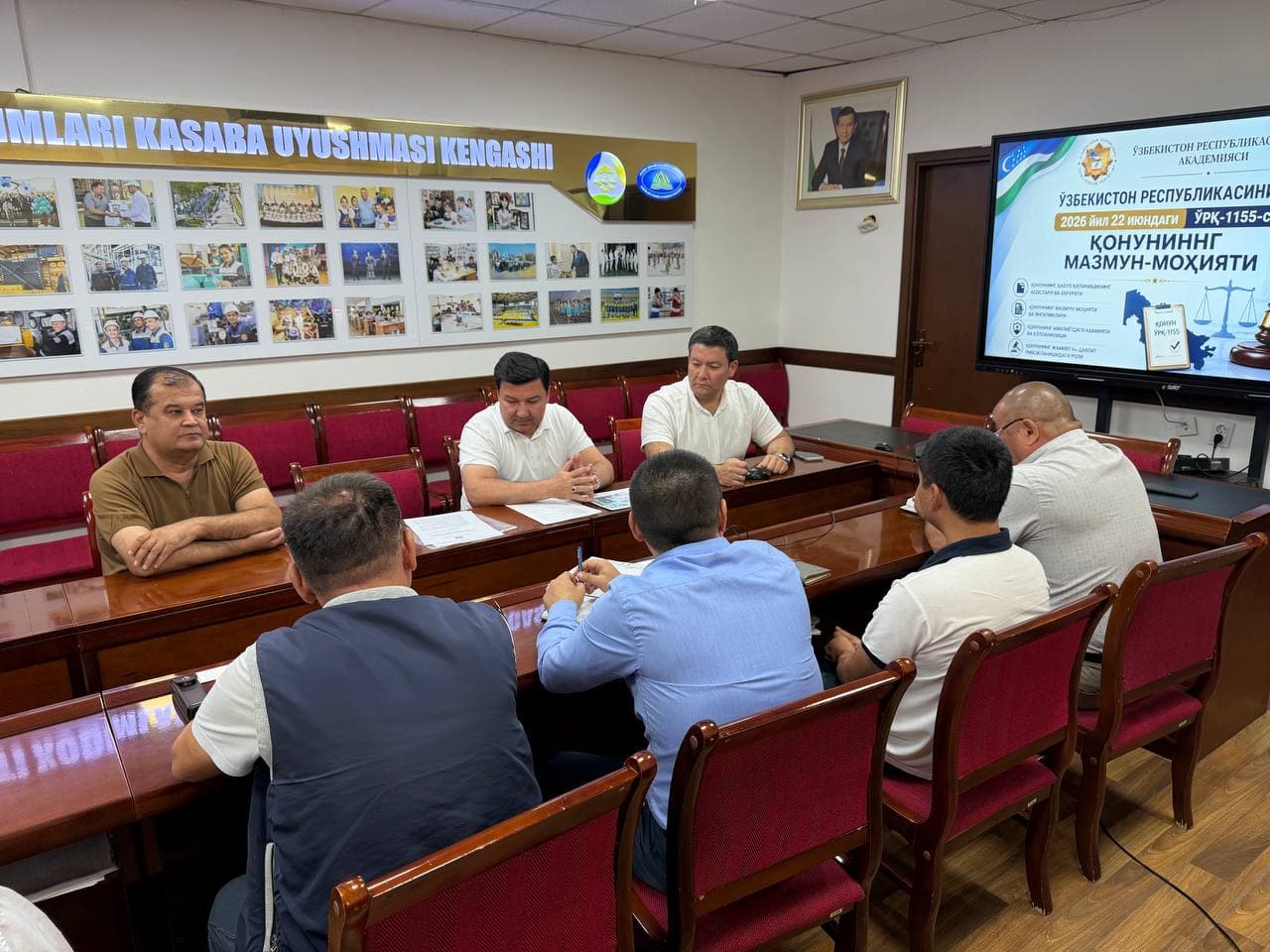

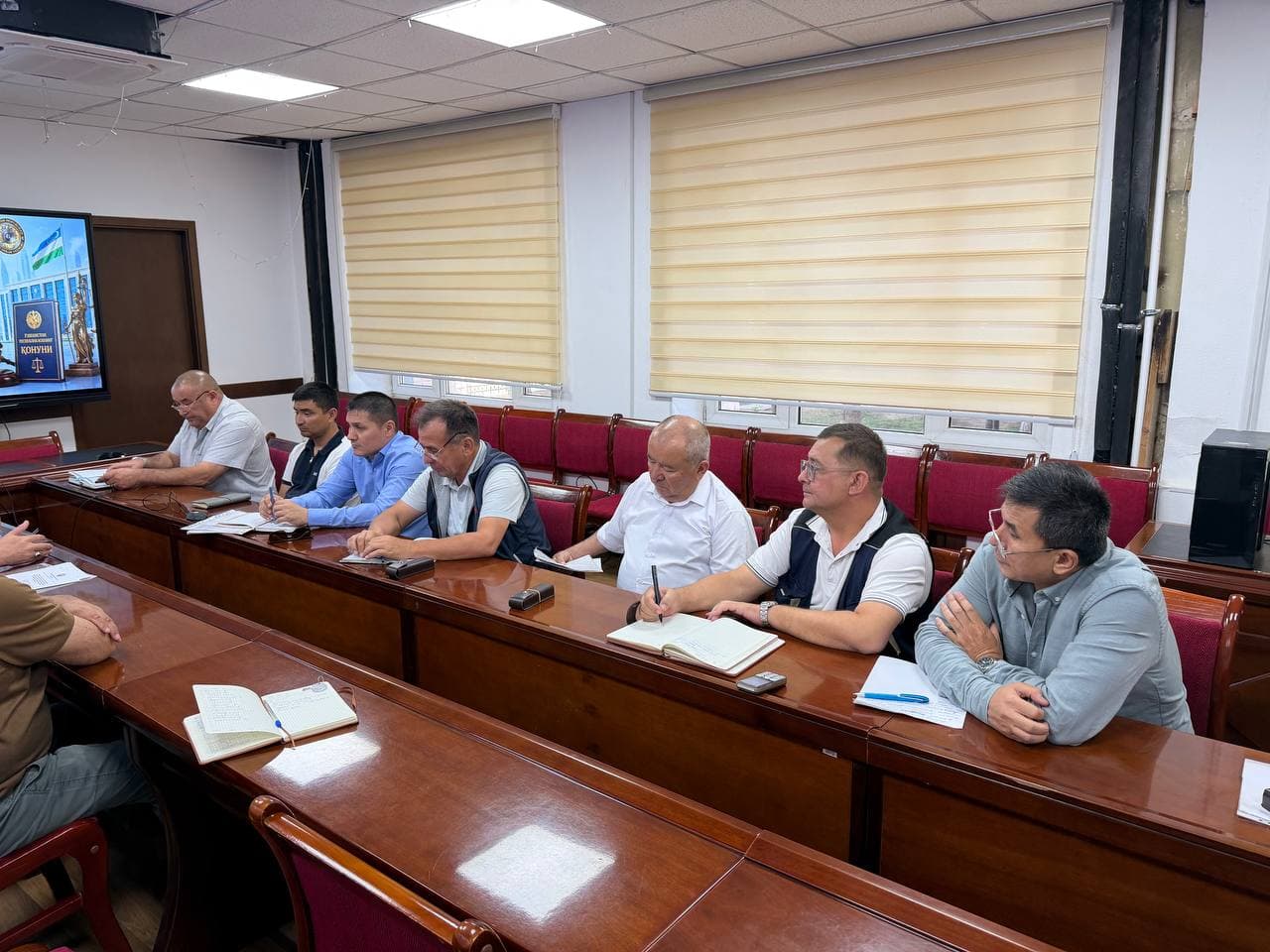
A preventive event and seminar on combating corruption was held in Navoi Region with the participation of employees of Qizilqum KTI, part of the Navoi Mining and Metallurgical Company.
The event was attended by O. Zaripov, Deputy Head of the Inspectorate for Control over the Mining Industry and Geology, J. Zikirov, Chief Specialist for Anti-Corruption, and employees of the Inspectorate’s North-Western Regional Department.
The seminar explained the substance of Law No. ZRU-1155 of the Republic of Uzbekistan dated June 22, 2026, “On Introducing Amendments and Additions to Certain Legislative Acts of the Republic of Uzbekistan Aimed at Increasing the Effectiveness of Combating Corruption and Ensuring the Inevitability of Liability for Corruption-Related Crimes.”
The event focused on the establishment of a specific list of corruption-related crimes. It was also explained that officials who violate requirements concerning the permissible difference between the initial price of a state procurement item and its average market price may be subject to a fine of up to 30 times the base calculation amount.
The law provides for the establishment of territorial councils on combating corruption in the Republic of Karakalpakstan, the regions and the city of Tashkent. It also provides for the operation of compliance and internal anti-corruption control units in state bodies and organizations. In addition, new mechanisms have been established for identifying and assessing corruption risks, developing risk maps, and maintaining an electronic register of persons convicted of corruption-related crimes.
Following the event, tasks were identified to increase employees’ awareness of preventing corruption-related offences, detecting conflicts of interest and corruption risks at an early stage, and ensuring compliance with legislative requirements.
The mechanisms provided for by Law No. ZRU-1155 are aimed at identifying and managing corruption risks not only after an offence has occurred, but also before such risks arise. This increases the practical importance of internal control, compliance and preventive measures at enterprises and organizations.