
Cooperation with Austria Expands to Develop Tourism Education at Technical Schools
2026-10-29 14:40:00 / News


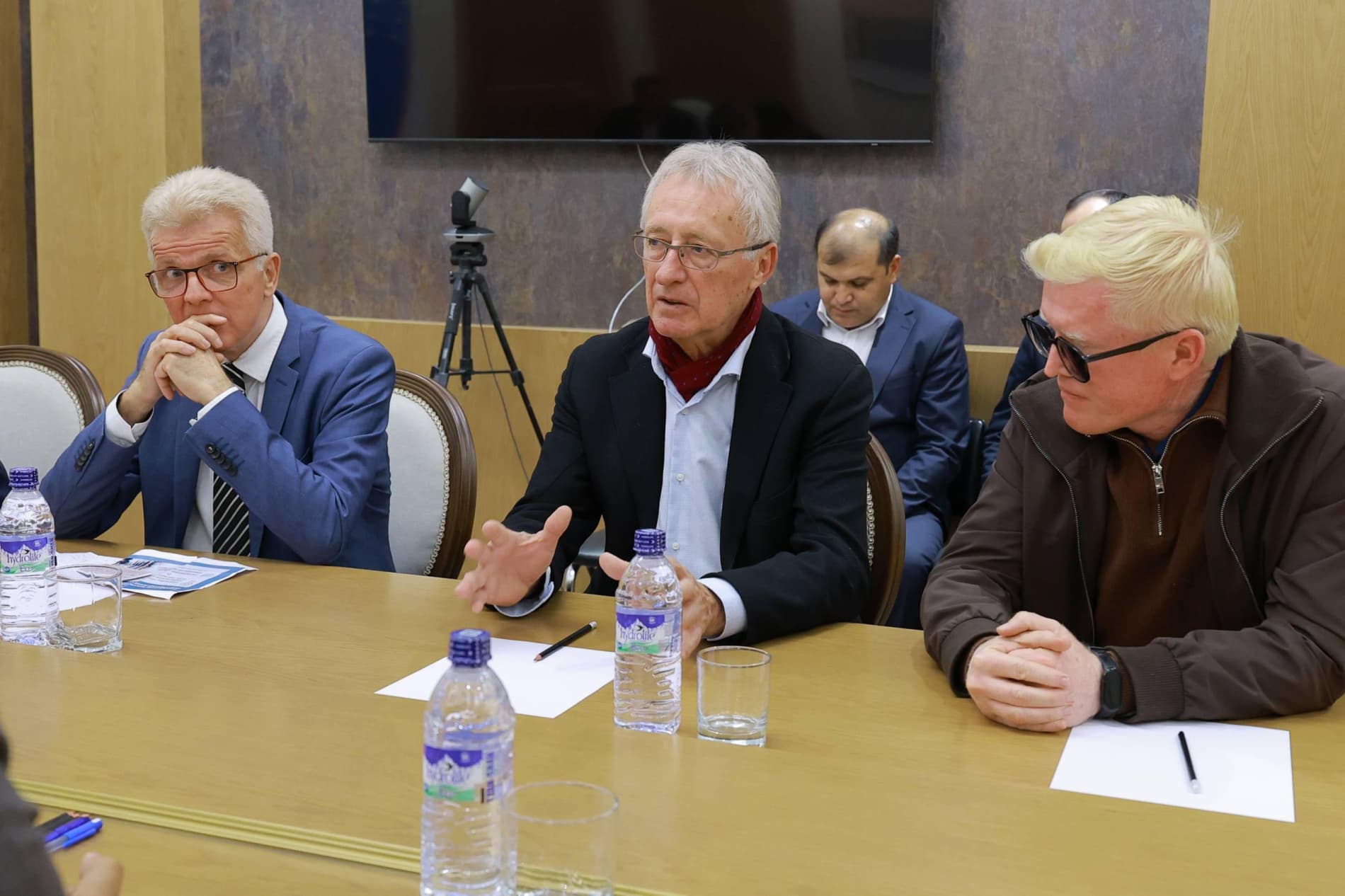

As part of cooperation with Austria, opportunities are being explored to train specialists for the tourism and hospitality sectors at technical schools in Namangan and Bukhara regions in line with international standards. The main focus is on establishing training hotels and restaurants, integrating education with practical training, and enhancing teachers’ professional qualifications.
The initiative involves Austrian Trade Representative Rudolf Lukavsky, hospitality and culinary expert Thomas Drdak, and architect Zeljko Katalinic. The specialists are assessing the existing infrastructure of the technical schools and examining opportunities to adapt buildings and learning facilities to international requirements.
With the participation of Abdulahad Gaffarov, Head of the Namangan Regional Department of Vocational Education, discussions were held on adapting the dormitory of Technical School No. 2 in Chortoq district for hospitality training. Views were also exchanged with H. Imamov, head of Proekt servis LLC, on organizing project work in this area.
The delegation also visited Technical School No. 2 in Yangiqo‘rg‘on district to explore opportunities for training specialists in tourism, food service, and hotel management in accordance with international standards. The meeting addressed the development of dual education in cooperation with employers, as well as the establishment of a training hotel and restaurant. The specialists also familiarized themselves with ongoing activities and projects in the Nanay tourism village.
During a meeting with Bukhara Regional Governor Botir Zaripov, the prospects of transforming the Bukhara Technical School of Tourism and Cultural Heritage into the Bukhara International Tourism Technical School were discussed. In cooperation with IMC Krems University of Applied Sciences, the parties explored opportunities to improve educational programmes, organize professional development for teachers abroad, and launch a joint bachelor’s degree programme under the “2+2” model.
Both regions also focused on establishing International Tourism and Hospitality Centres and drawing on Austria’s experience in dual education. These initiatives aim to develop students’ professional skills in environments that closely reflect real workplace conditions and to train specialists who meet the needs of the tourism industry.