
Association of Korean Cultural Centers of Uzbekistan
2025-08-25 12:25:00 / News
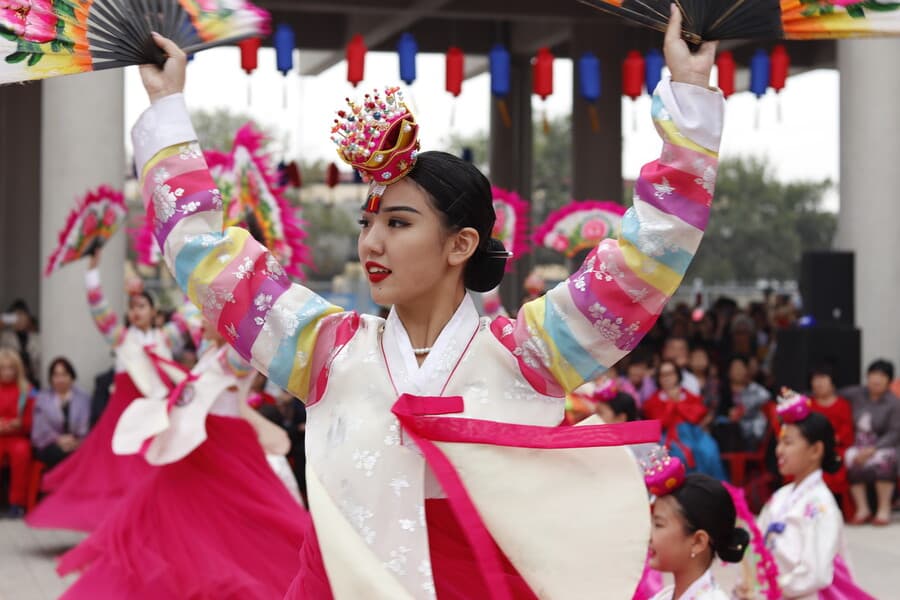
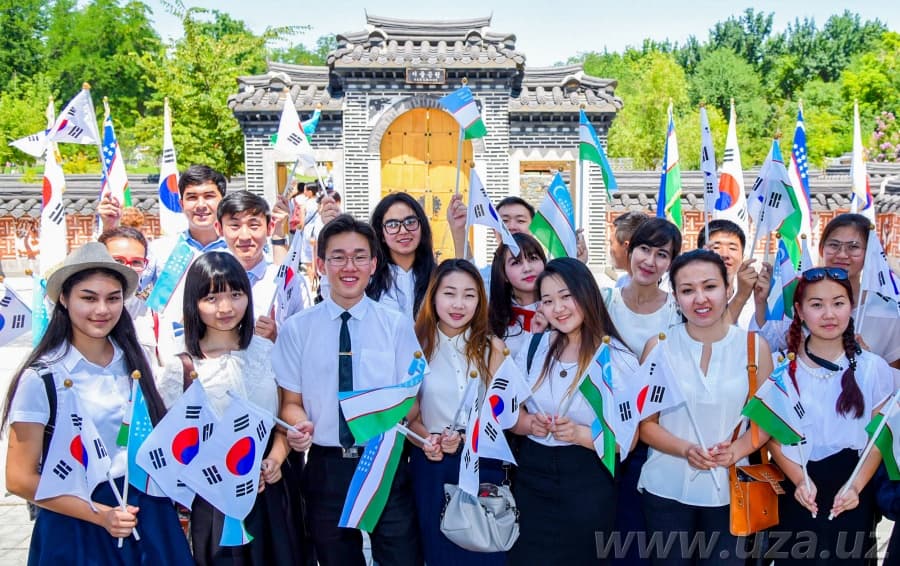
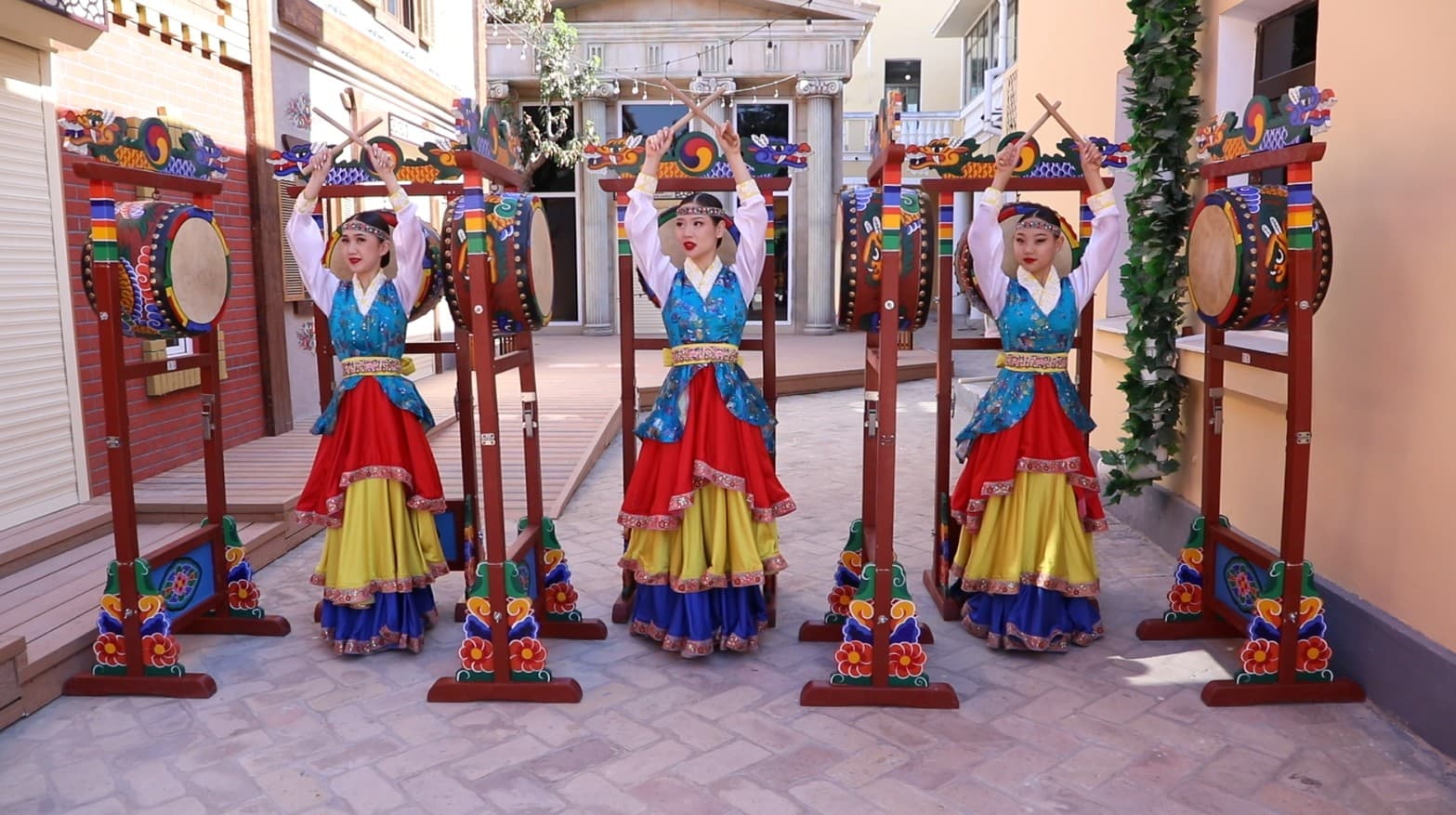
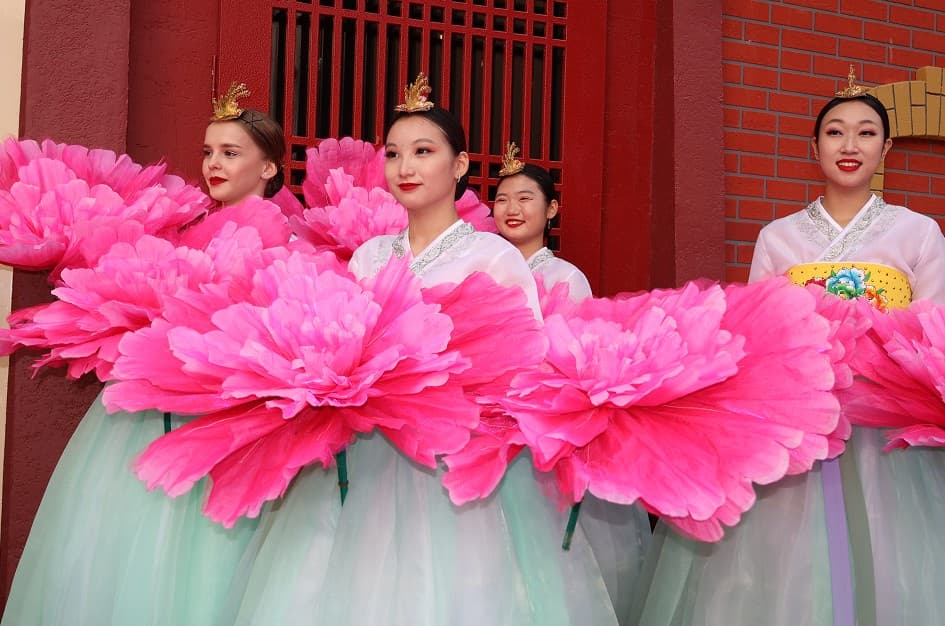
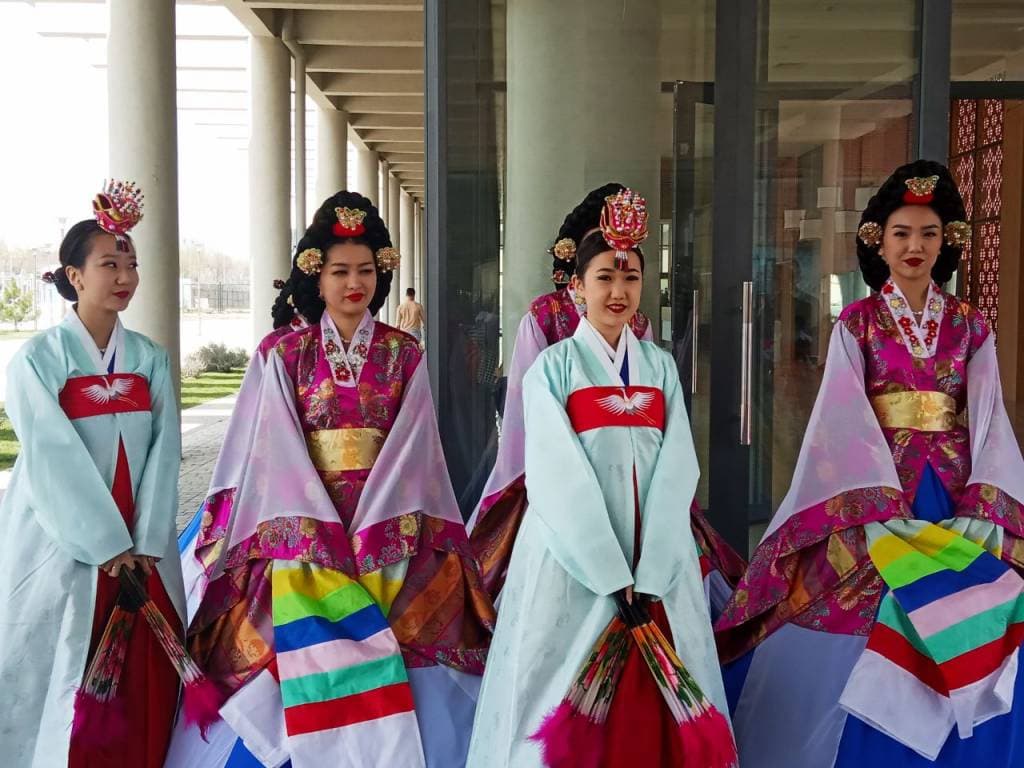
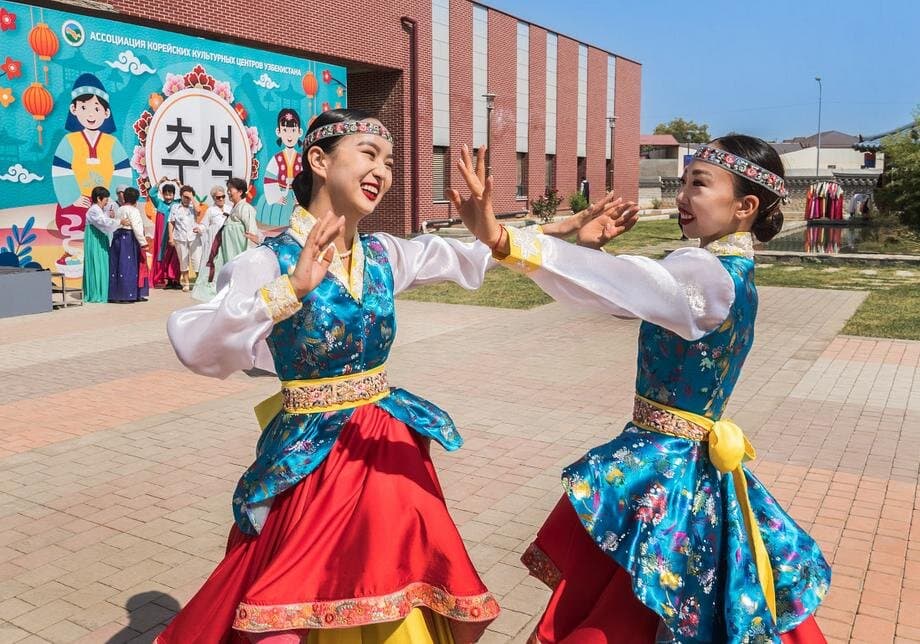
Information about the ties between Koreans and the Sogdian state is reflected in the ancient Afrasiab wall paintings in Samarkand, which depict Korean merchants among representatives of foreign countries. In 1937, Koreans deported to Uzbekistan lived side by side with Uzbeks for many years, making a valuable contribution to the country’s development.
The Association of Korean Cultural Centers of Uzbekistan was established in 1991. Today, it has 23 branches across Tashkent city, the regions of Tashkent, Andijan, Bukhara, Jizzakh, Navoi, Namangan, Syrdarya, Fergana, Khorezm, as well as the Republic of Karakalpakstan.
On July 3, 2017, in Seoul Park located in Tashkent’s “Friendship” Park, the Koreans of Uzbekistan unveiled the “Gratitude for the Sincerity and Kindness of the Uzbek People” monument as a token of appreciation.
On November 27, 2018, an international forum was held in Nukus on the topic “Improving the Environmental Situation in the Aral Sea Region and the Role of the Korean Diaspora in this Process,” organized by the Supreme Council of the Republic of Karakalpakstan and the Association of Korean Cultural Centers of Uzbekistan.
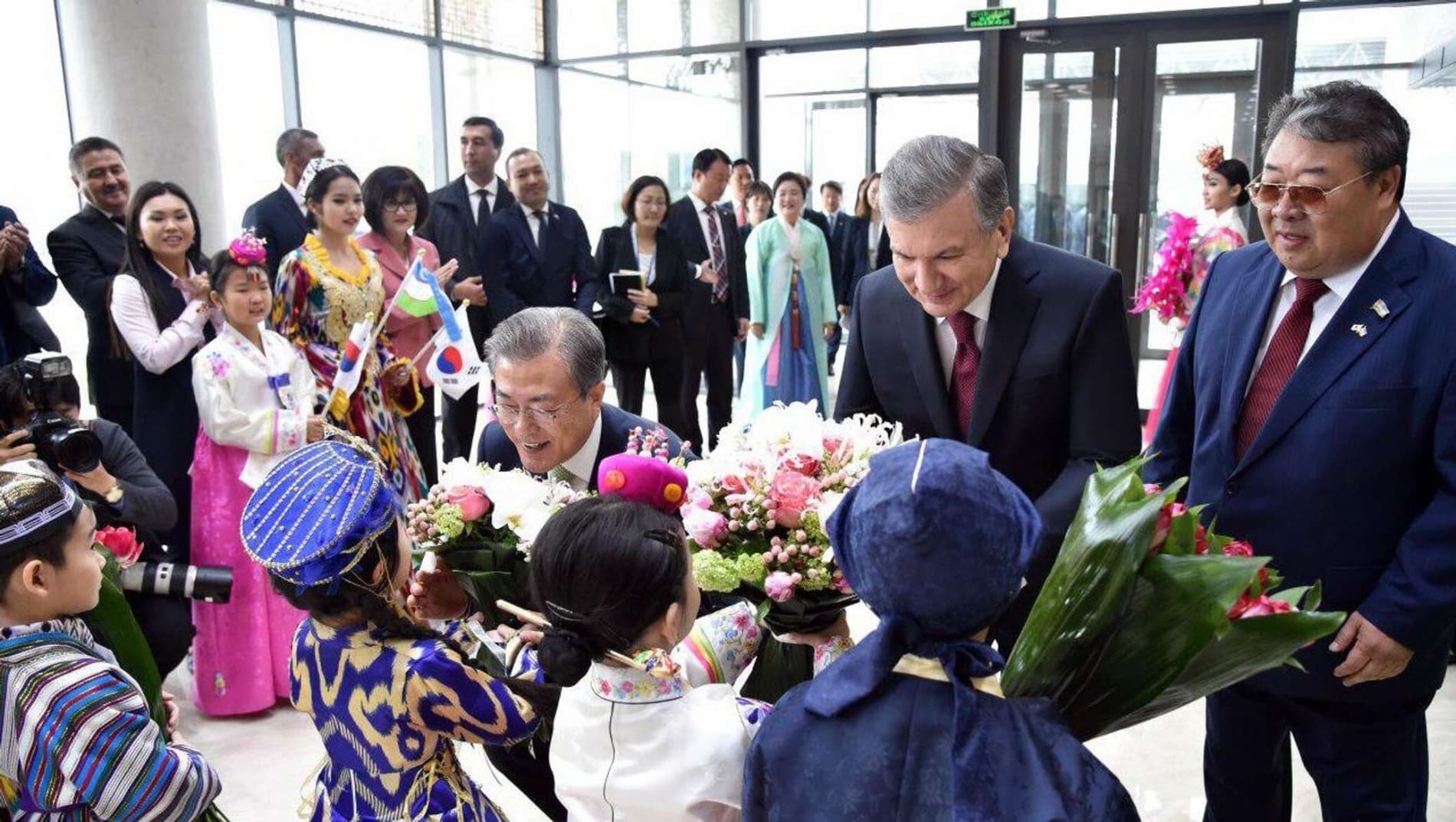
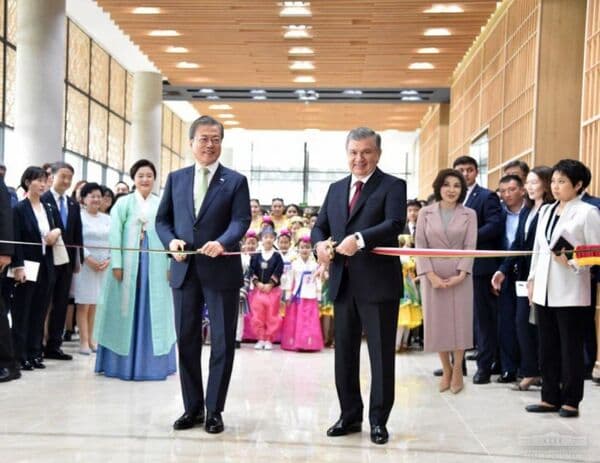
On April 20, 2019, in the presence of the President of the Republic of Uzbekistan Shavkat Mirziyoyev and the President of the Republic of Korea Moon Jae-in, the House of Korean Culture was inaugurated as a vivid symbol of the strengthening friendship between the Uzbek and Korean peoples.
That same year, the Korea Film Academy launched short-term directing courses for young ethnic Koreans from Uzbekistan who wished to study filmmaking.
Today, the Korean language is taught in 12 universities and 48 schools and lyceums in Uzbekistan.
During the years of independence, Koreans actively participating in the socio-political life of the country have been awarded high state honors. Among them are Vera Pak (Hero of Uzbekistan) and Viktor Pak — chairman of the Association since 2012, member of the Legislative Chamber of the Oliy Majlis, and recipient of state awards of both Uzbekistan and the Republic of Korea.
In 2019, the 100th anniversary of Labor Hero Hwan Man Gim, former head of the “Politotdel” farm, was widely celebrated. The mahalla where he lived was named in his honor.