
The Architectural Heritage of Uzbekistan — A Jewel Shaped by Centuries
2025-11-07 09:40:00 / News
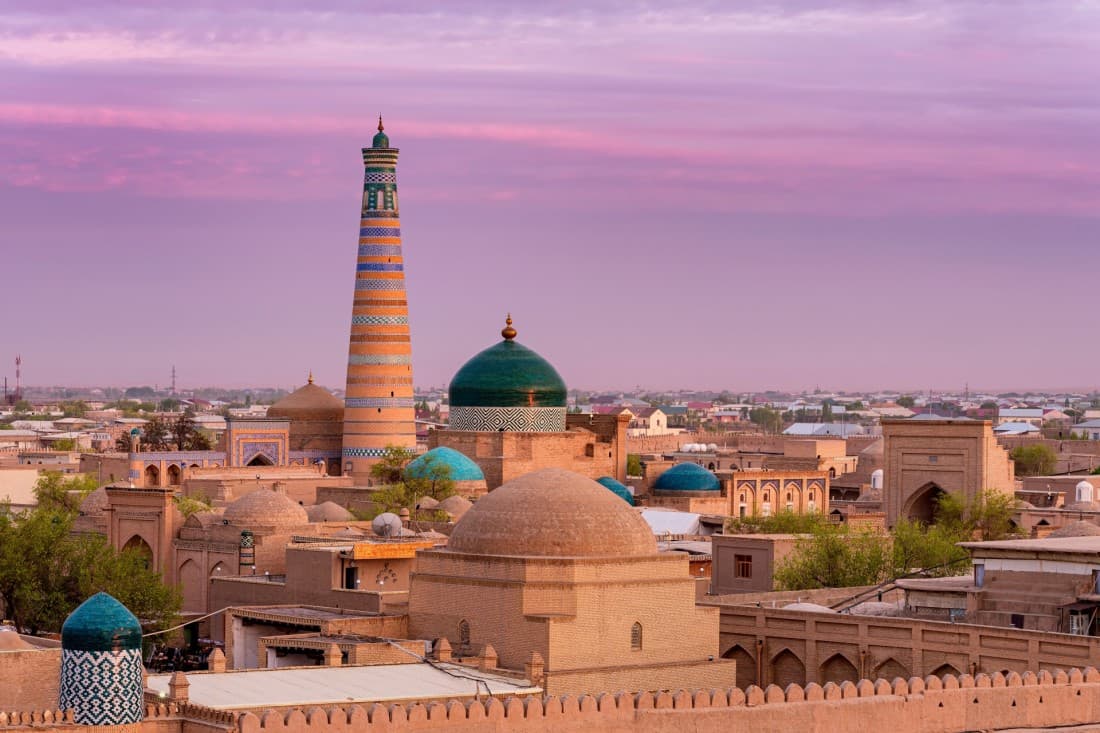
Today, the historic cities of Samarkand, Bukhara, Khiva, Shahrisabz, Termez, and Kokand are among the most celebrated architectural treasures in Central Asia, attracting travelers and scholars from all over the globe. Each city represents a living museum, showcasing the artistry and craftsmanship of its era.
Some architectural monuments discovered in Uzbekistan date back to the Stone and Bronze Ages, but the true golden age of architecture emerged during the Middle Ages, when the region became the heart of the Great Silk Road. It was during this era that world-renowned landmarks were built — the Registan Square, Bibikhonim Mosque, Gur-Emir Mausoleum, and Shah-i-Zinda Ensemble in Samarkand, the Ak-Saray Palace in Shahrisabz, the Kalyan Minaret and Lyabi-Hauz Ensemble in Bukhara, and the madrasas and minarets of Khiva.
These masterpieces are distinguished by intricate geometric patterns, vivid mosaics, and Islamic symbols that together form the signature style of Uzbek architecture. Every dome and tile reflects harmony, devotion, and a deep sense of artistry.
Today, Uzbekistan’s architectural heritage not only preserves the memory of its glorious past but also plays a vital role in promoting tourism and cultural identity. Thousands of visitors each year walk through these timeless cities, experiencing the living spirit of history.
In recent years, the government of Uzbekistan has been actively engaged in restoration projects, heritage preservation, and the development of modern tourist infrastructure. Through these efforts, Uzbekistan’s architectural marvels continue to inspire — standing as eternal bridges between history and progress, faith and beauty.