
Focus has been given to key areas in the fight against environmental crimes
2025-04-22 13:00:00 / News

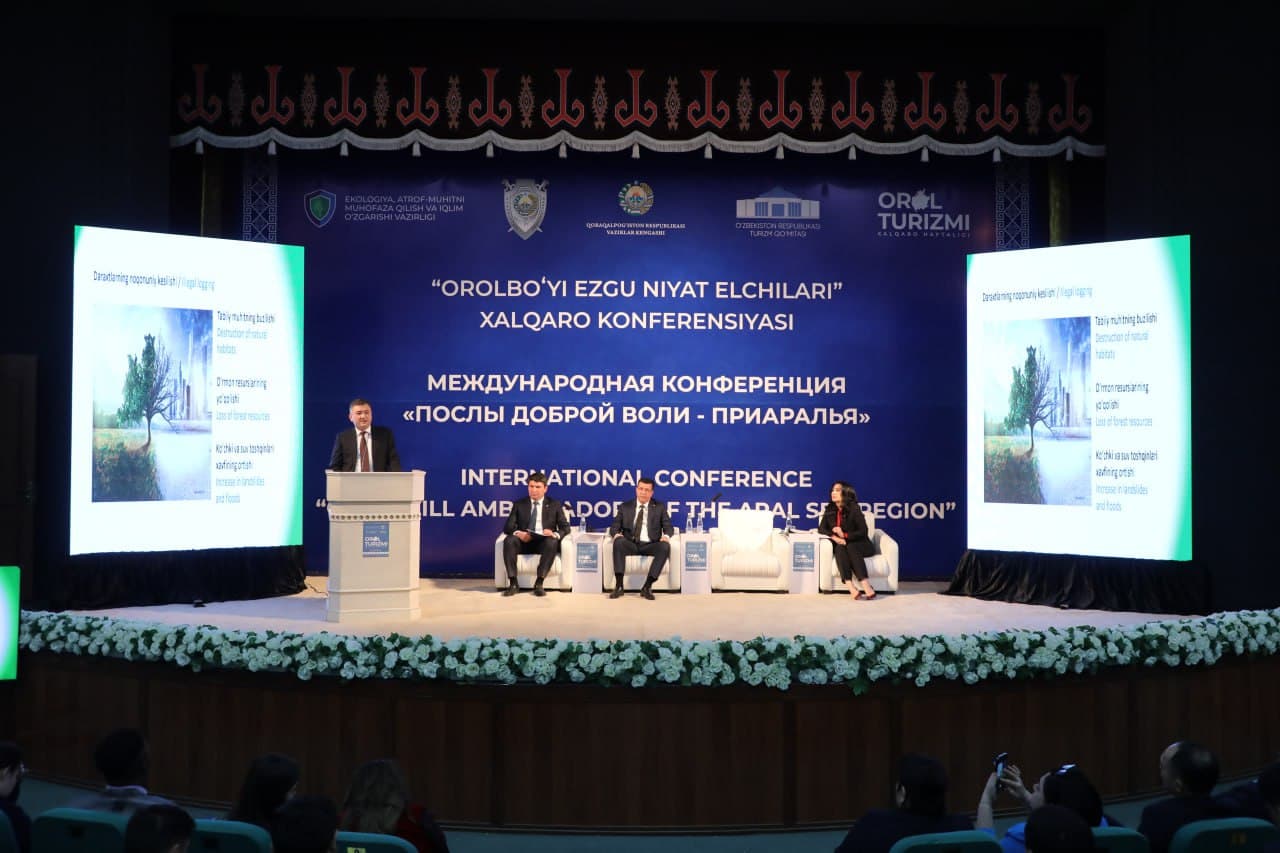
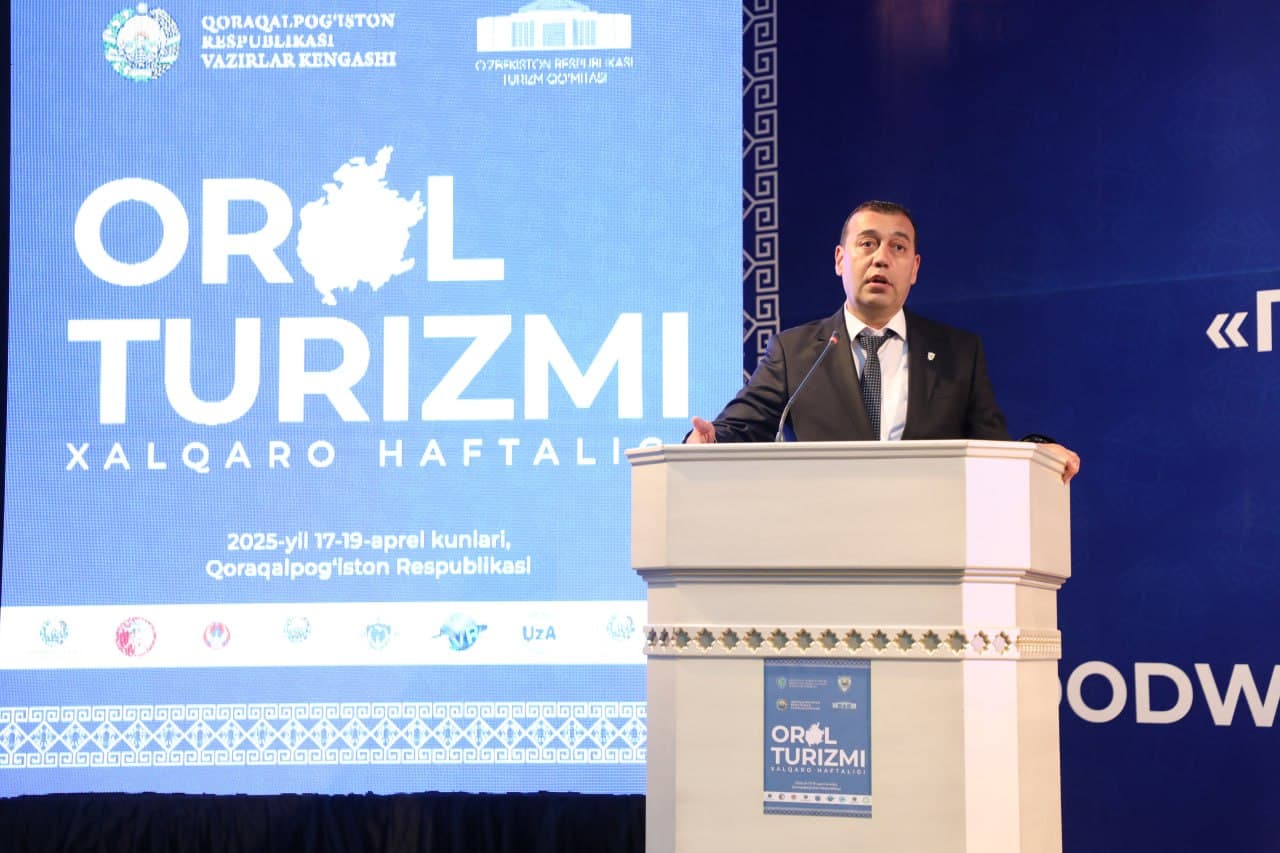
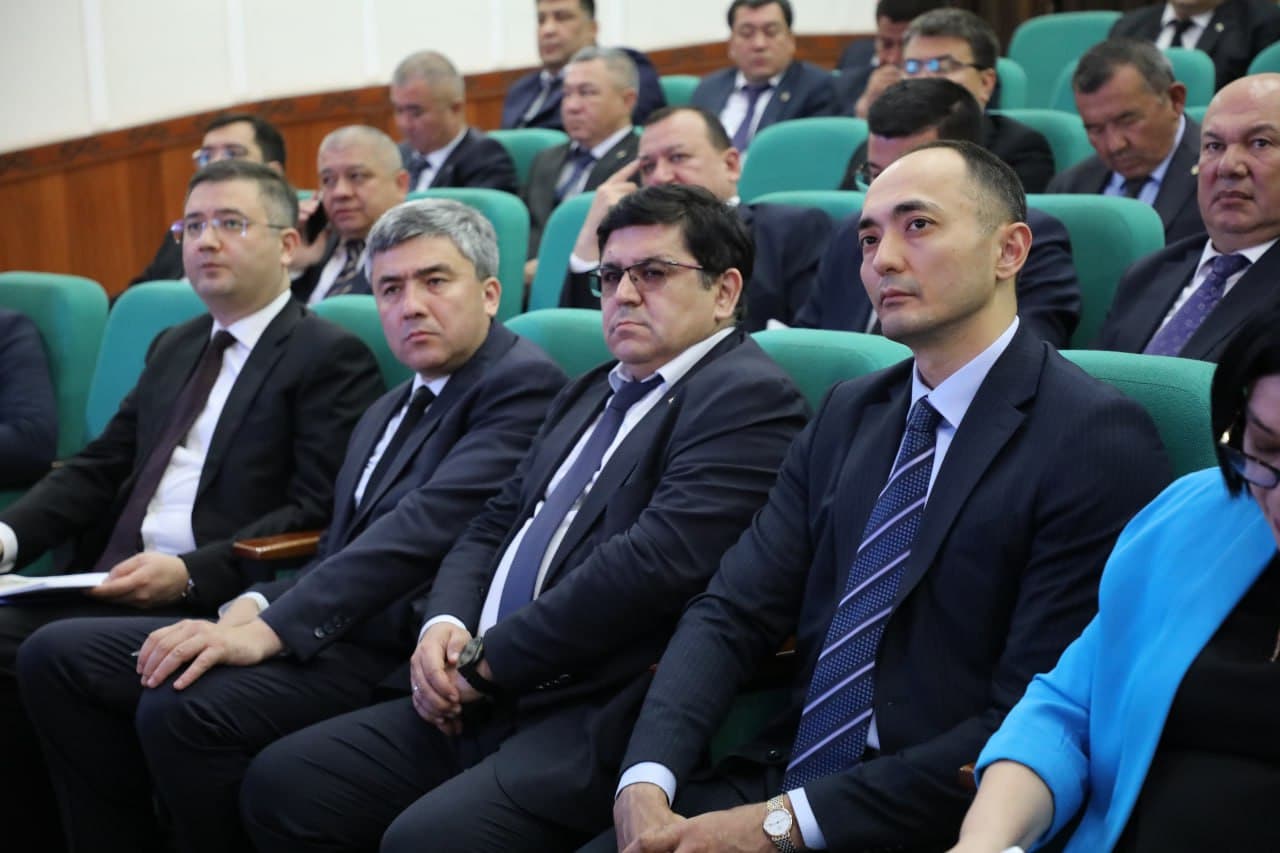
In particular, Aziz Eshbekov, Deputy Head of the General Prosecutor’s Office, emphasized the priority areas in combating environmental crimes.
The global cost of environmental crimes is estimated at around USD 200 billion annually. These offenses lead to biodiversity loss, threats to human health, economic damages and an acceleration of climate change.
Aziz Eshbekov highlighted that the most pressing tasks today include combating environmental pollution, deforestation, illegal hunting and poaching, unlawful extraction of natural resources, the illicit trade of wildlife and plants, as well as corruption in this sphere. He stressed the importance of fostering a culture of environmental responsibility, raising public awareness about the need to protect nature and use resources wisely, enhancing monitoring mechanisms, ensuring accountability for environmental damage and strengthening inter-agency, regional and international cooperation.
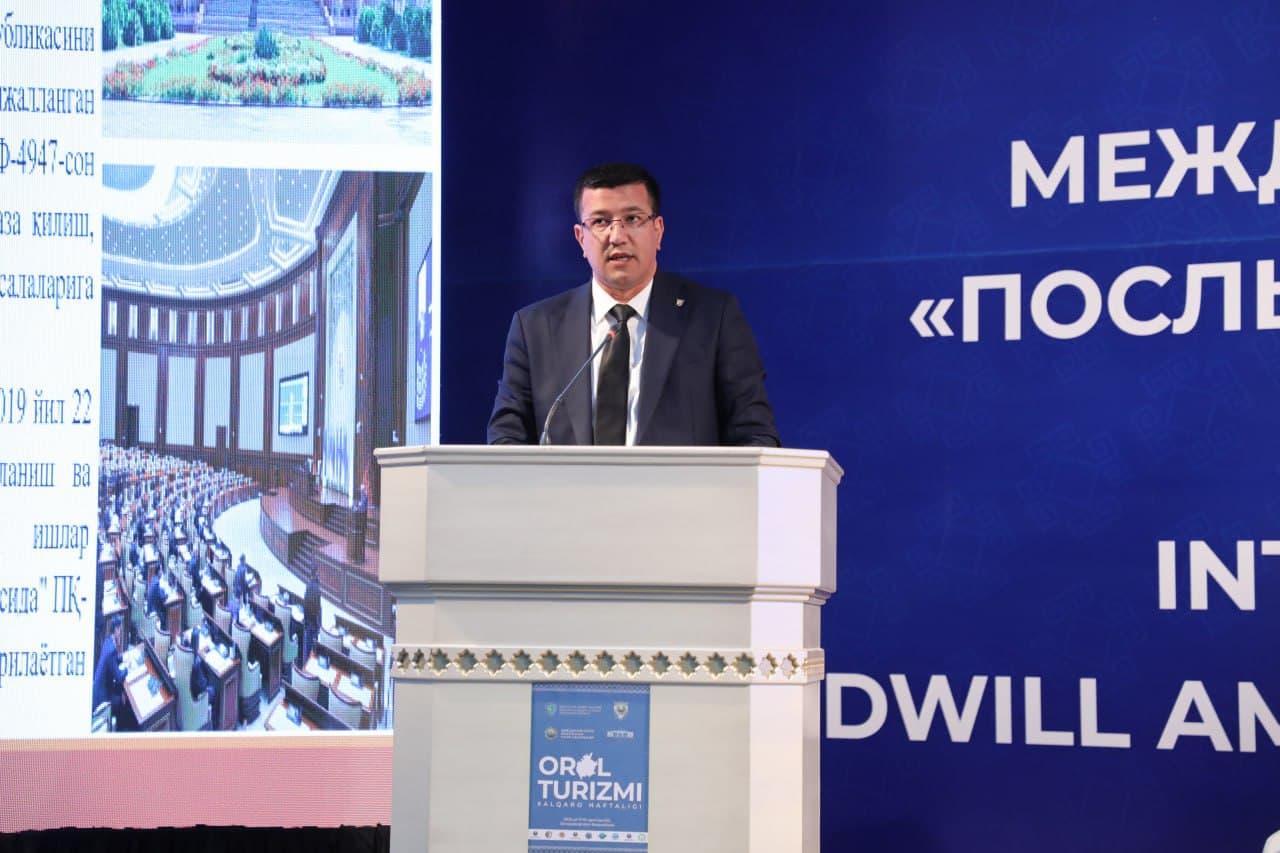
Deputy Prosecutor of the Andijan region, Uktam Utaev, compared the past and present condition of the Aral Sea. As a result of reforms initiated by the country's leadership, the region has seen a decrease in desertification, decisive measures are being taken to prevent various environmental offenses and particular focus is being placed on preserving endangered plant and animal species in the Aral Sea area.
Deputy Prosecutor of the Kashkadarya region, Sirojiddin Fayziyev, drew attention to efforts aimed at preventing illegal logging and the trade of wild plants, as well as measures to combat desertification.
Background: Each year, 12 million hectares of land are lost worldwide — equivalent to 23 hectares per minute. Currently, 75% of the Earth's surface is affected by desertification. If this trend continues, by 2050, 95% of land could become unusable. Over the past 300 years, 87% of irrigated land has turned into desert. In Uzbekistan, 9 square meters of land are degraded every day.
S. Fayziyev emphasized that extensive efforts are underway in the Kashkadarya region to counteract desertification. As part of the nationwide “Yashil Makon” (Green Space) initiative, a total of 8,205,000 tree seedlings were planted around agricultural lands during 2024–2025. Additionally, 841,000 seedlings were planted along major industrial sites and highways and “green belts” have been established.
Moreover, measures are being taken in Kashkadarya to prevent environmental offenses. In 2024 and the current year alone, 231 cases of damage to flora were identified, with administrative and criminal liabilities enforced. Damages totaling 1.7 billion Uzbek sums have been recovered.