
Bukhara District: Fayzulloobod Farm Grows 700,000 Mulberry Saplings for the “Yashil Makon” Project
2026-11-11 14:25:00 / News
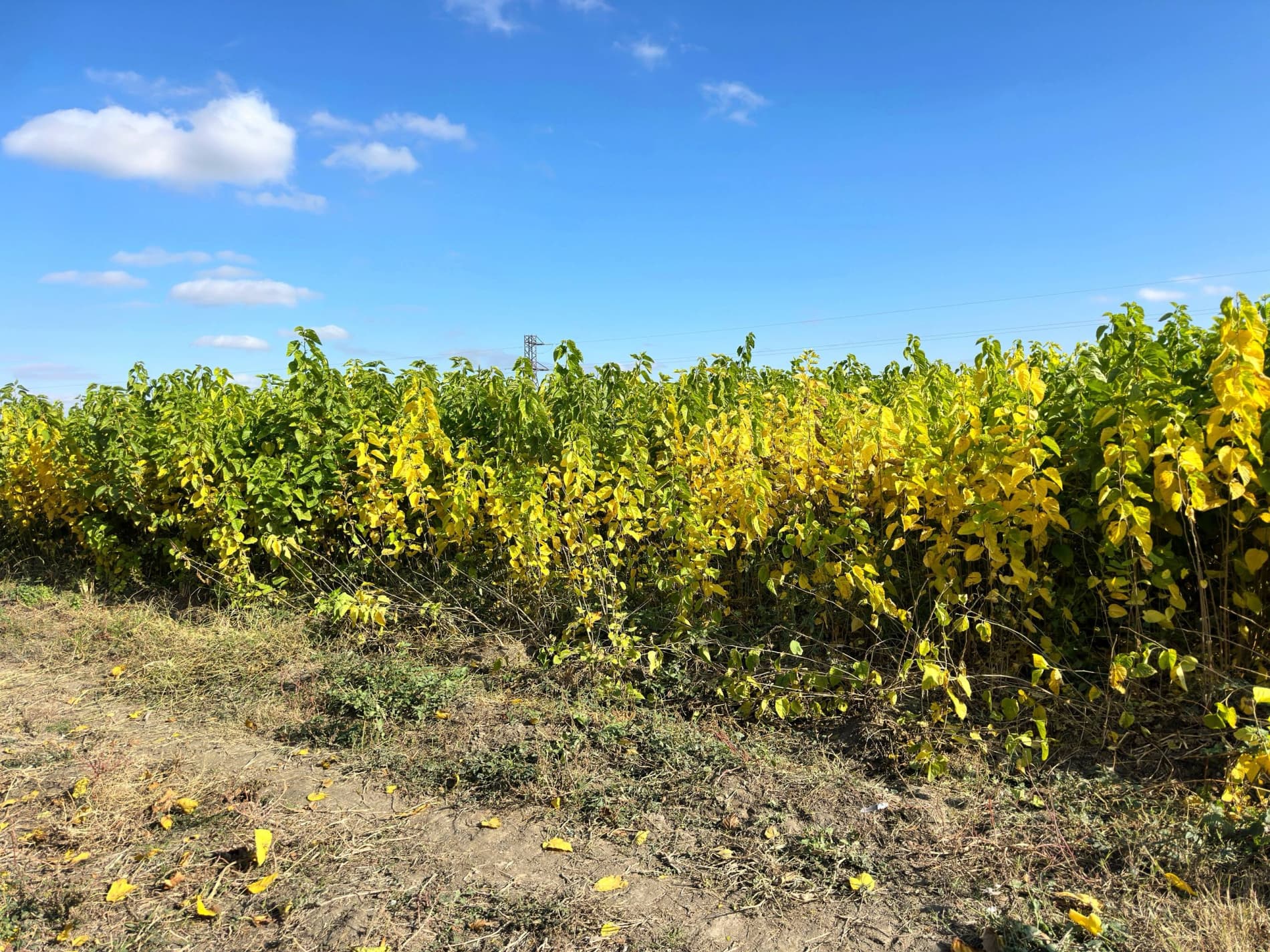
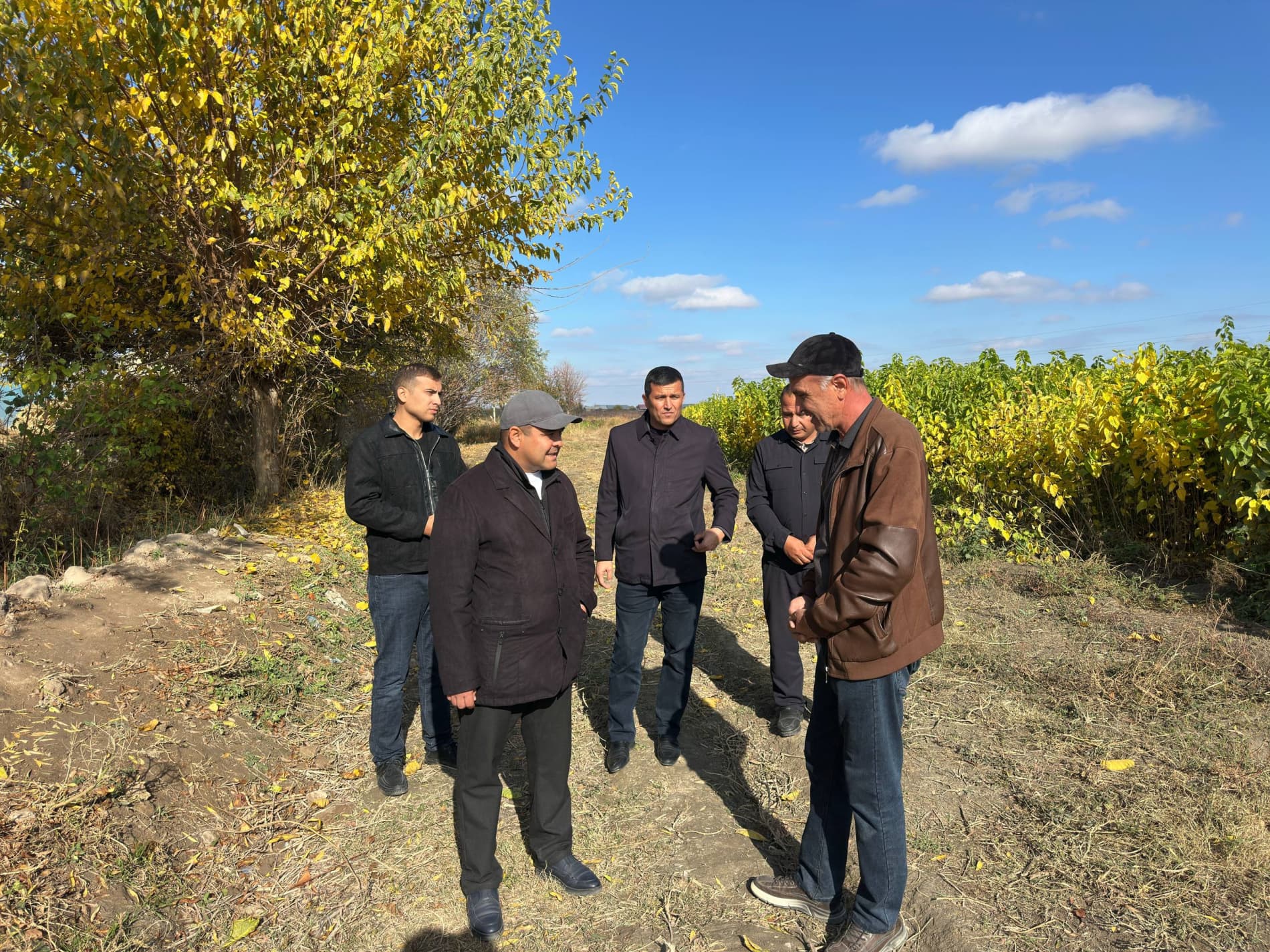
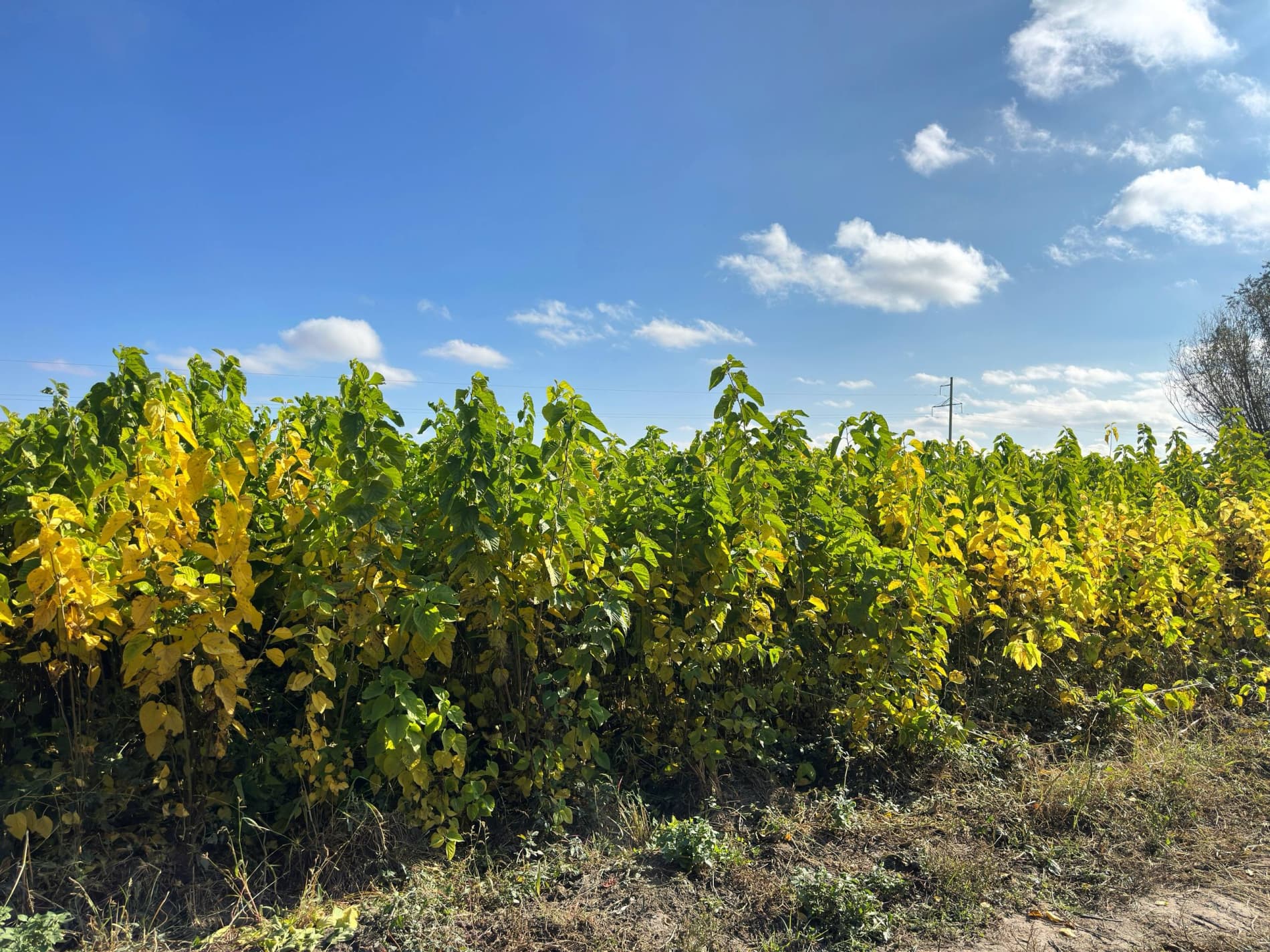
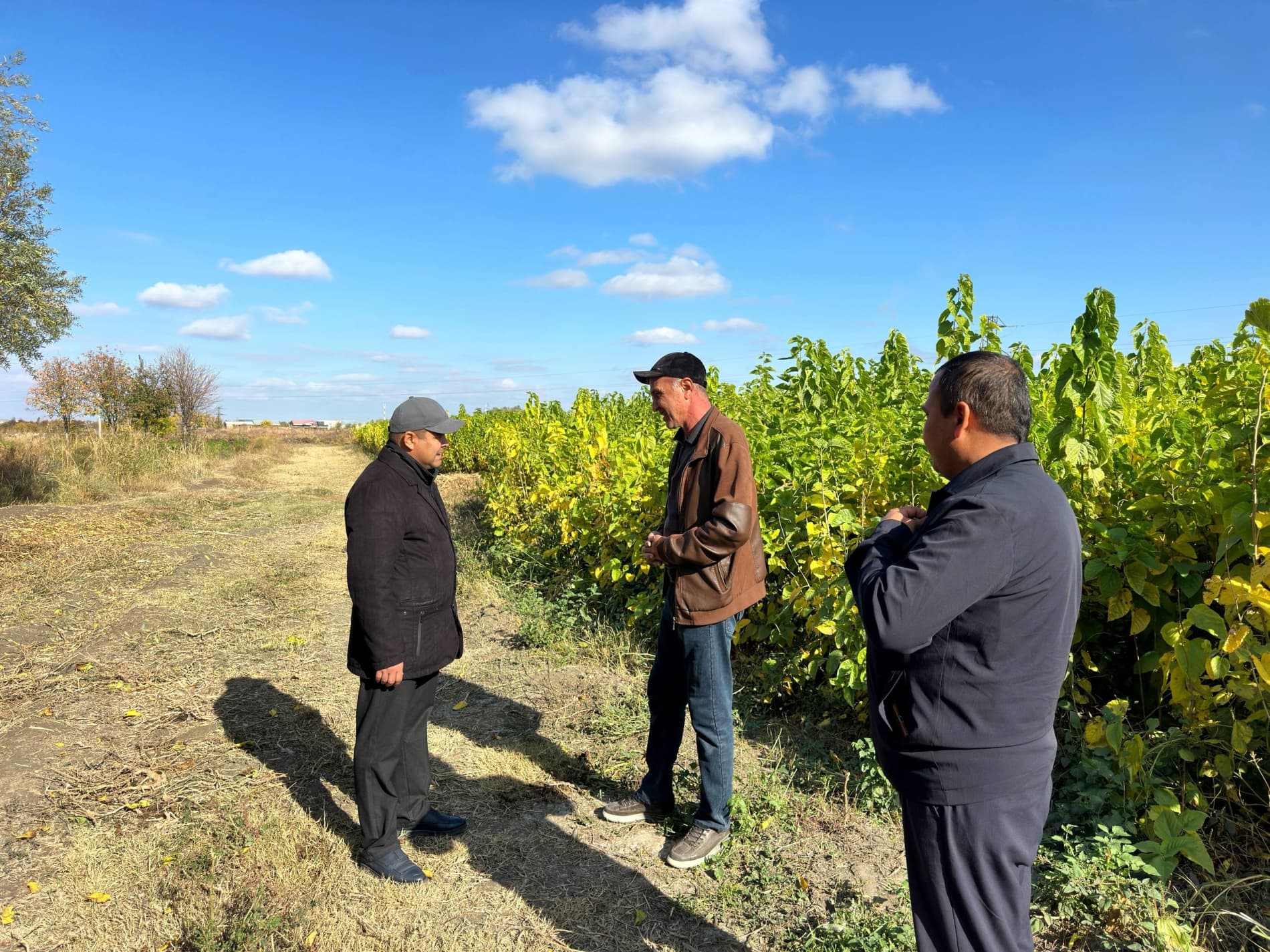
Protecting nature, ensuring a clean environment, expanding green spaces and achieving environmental sustainability are among the most pressing priorities of today. The nationwide “Yashil Makon” (Green Space) project being implemented in Uzbekistan contributes to achieving these important goals, expanding tree-covered areas and improving environmental conditions across the country.
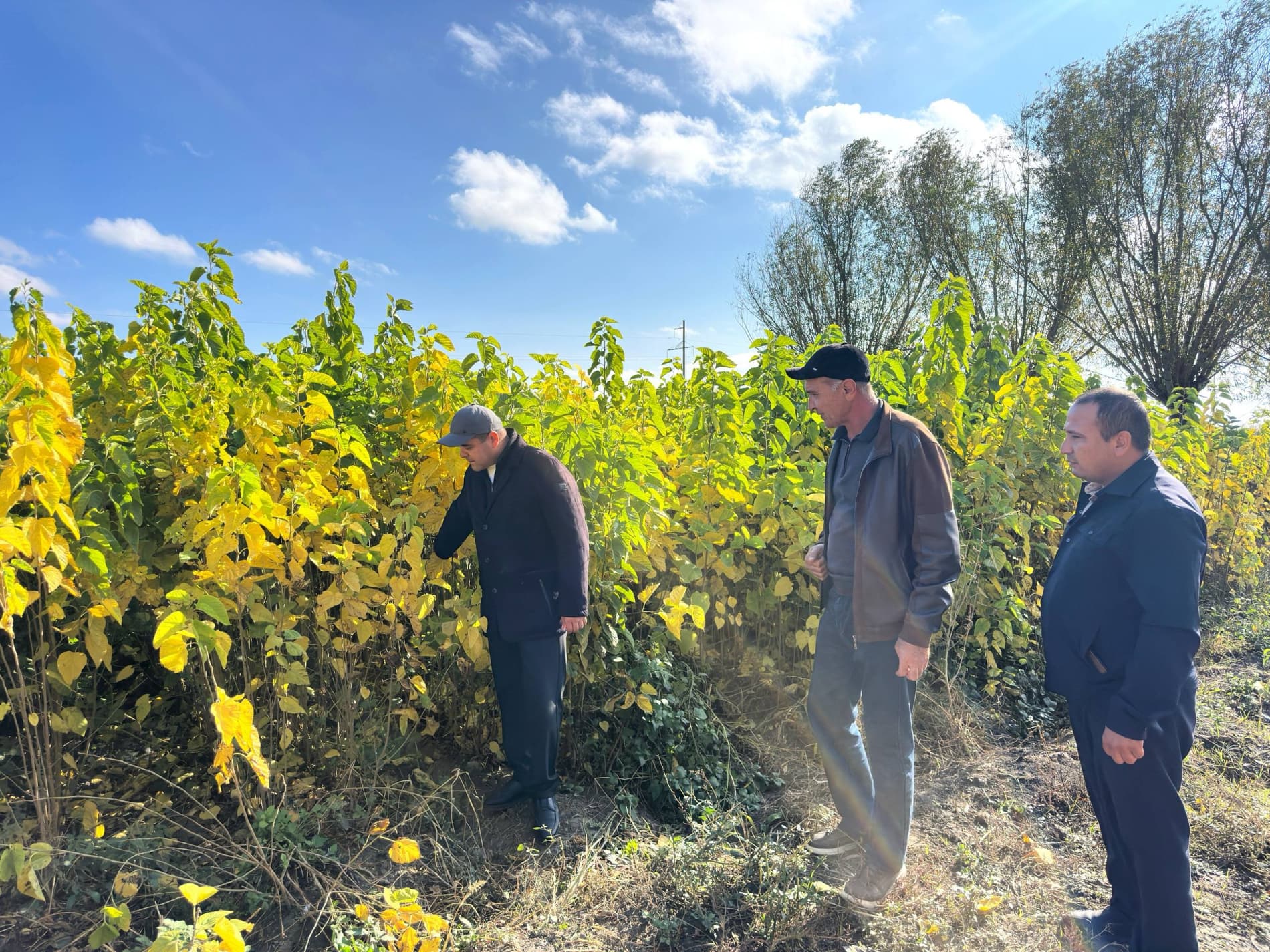
Anvarjon Ochilov, Hokim of Bukhara District, visited the Fayzulloobod farm, located in the Yuqori Qovdun village of the Istiqbol Citizens’ Assembly, where he familiarised himself with the work being carried out to grow and maintain saplings.
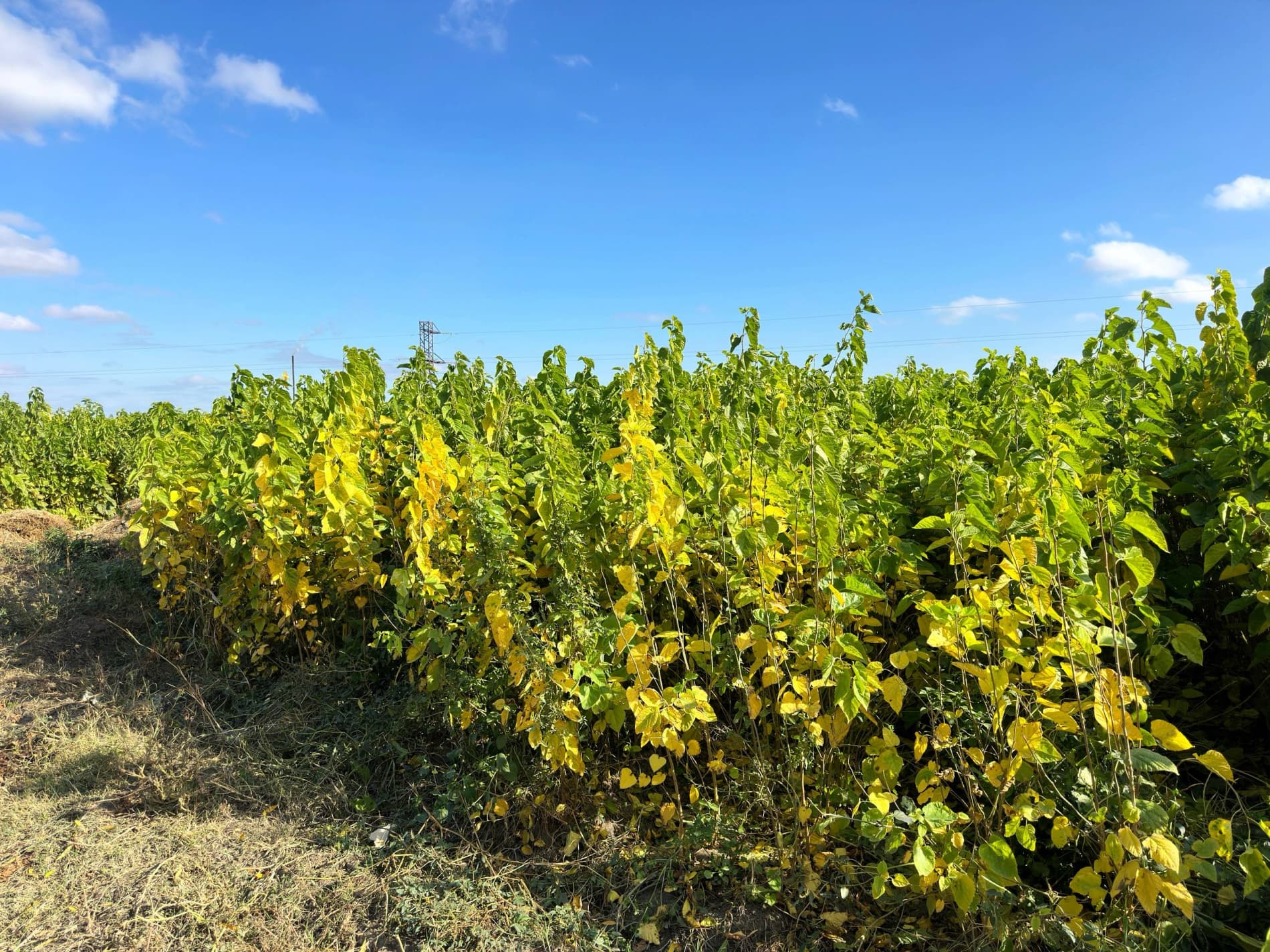
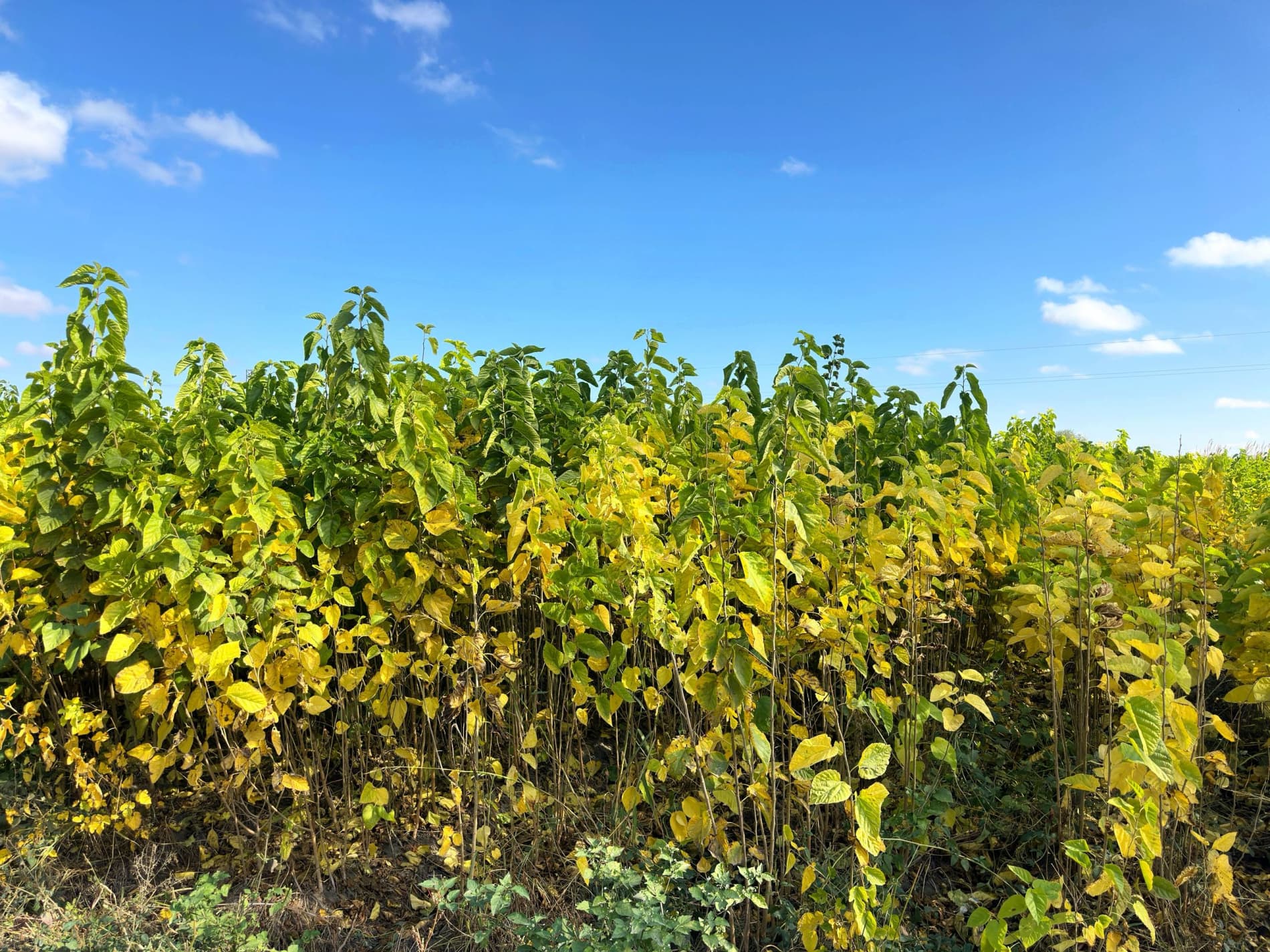
Under the leadership of the farm manager, Erkin Ostonov, 700,000 two-year-old mulberry saplings have been grown on a three-hectare plot of land. As part of the autumn season of the nationwide Yashil Makon project, these saplings will be delivered to various districts across Bukhara Region.
During the visit, the district Hokim reviewed the sapling cultivation and maintenance processes, the farm’s existing capacities and its future plans. The importance of growing high-quality saplings, delivering them to their designated destinations on time and ensuring proper care after planting was also emphasised.
Notably, more than 20 workers are involved in growing and maintaining saplings at the farm. This contributes to providing employment for local residents, creating sources of income and making effective use of opportunities in the agricultural sector.
Mulberry trees are important not only from an environmental perspective but also in economic terms. Their leaves are one of the main sources of food for silkworms. Therefore, expanding mulberry plantations will also contribute to the future development of sericulture and strengthening the raw material base of this industry.
The activities of Fayzulloobod farm serve as a practical example of how sapling cultivation can help improve environmental conditions, provide employment for the population and make a meaningful contribution to regional economic development.
Indeed, every sapling planted today is an important step towards a greener future, cleaner air and a healthier environment for generations to come.