
A New Stage in the Activities of Advisors on Spirituality and the State Language
2026-08-19 14:30:00 / News
Resolution No. 437 of the Cabinet of Ministers of the Republic of Uzbekistan, dated August 7, 2026, “On Additional Measures to Effectively Organize Office Work in the State Language in the Republic,” has become an important legal basis for ensuring the implementation of legislation on the state language in our country.
Speaking about the substance and practical significance of this resolution, it is first necessary to focus on the new mechanisms established by the document.
The resolution clearly regulates the activities of the position of “Advisor to the Head on Matters of Spirituality and the State Language,” introduced in state bodies at the national level, central offices of economic associations, as well as local government authorities.
The coordination of the activities of these advisors by the Department for the Development of the State Language under the Cabinet of Ministers, along with methodological guidance, will ensure that this work is carried out systematically and on the basis of a unified approach.
As part of the implementation of the resolution, particular attention is paid to ensuring that outdoor signs, signboards, announcements and advertisements of state bodies comply with the requirements of the state language. This will contribute to strengthening the legal status of the Uzbek language in practice.
Resolution No. 437 of the Cabinet of Ministers is an important organizational and legal foundation for further enhancing the status of the Uzbek language in public administration, improving the culture of official document management, and ensuring the purity of the state language.
The timely and high-quality implementation of the tasks set out will contribute to further strengthening respect for the state language, improving the spiritual environment in our society, and enhancing the prestige of the state language.
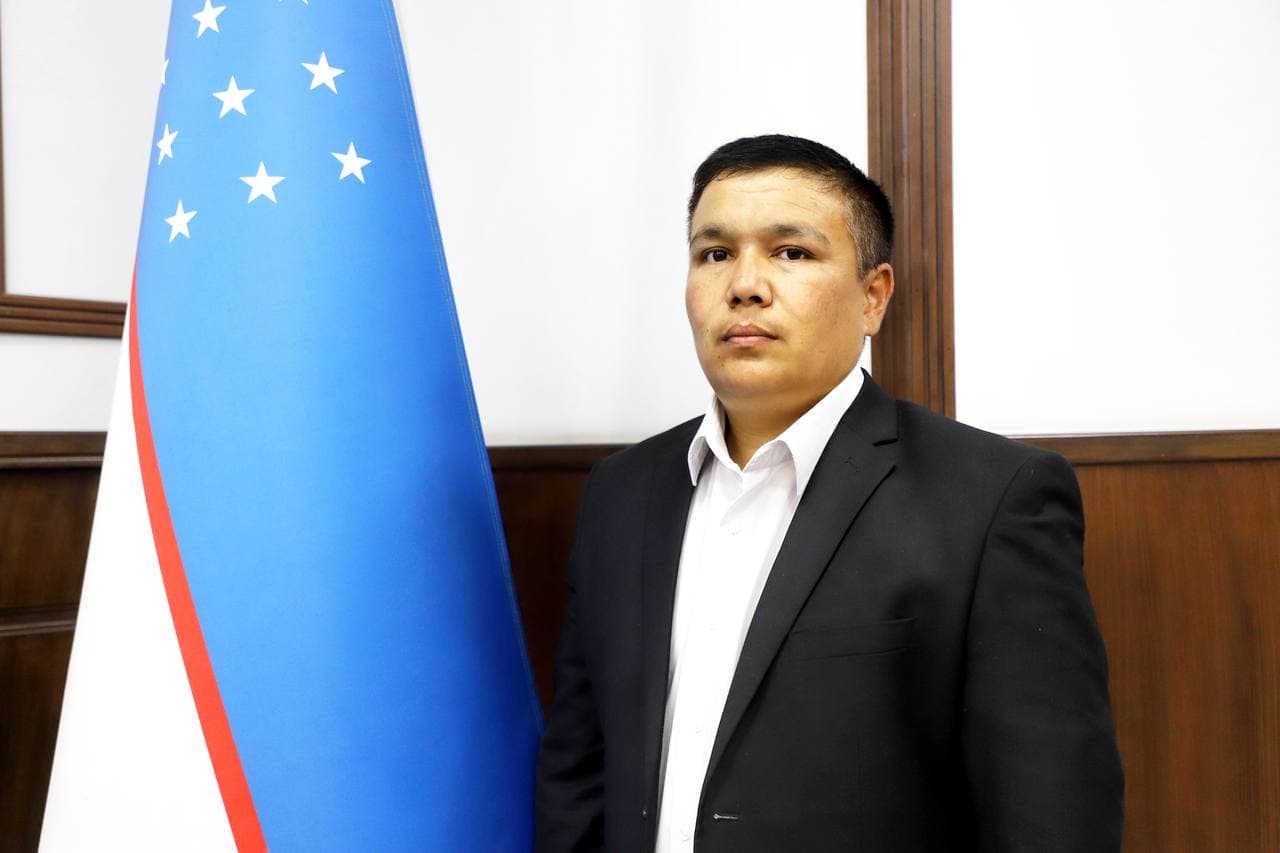
Firuz Mirsoliyev,
Advisor to the Hokim of Bukhoro District on Matters of Spirituality and the State Language