
Regional Online Conference of TWAS for Central and South Asia Held
2026-07-31 09:25:00 / News
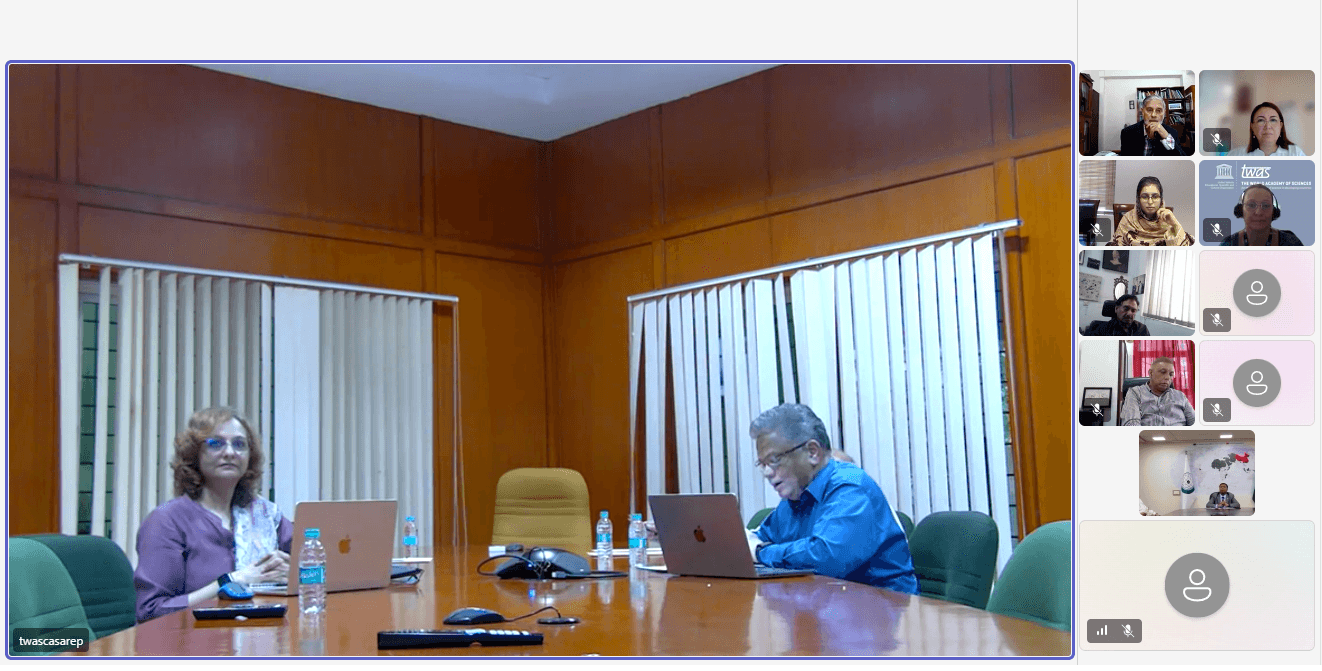
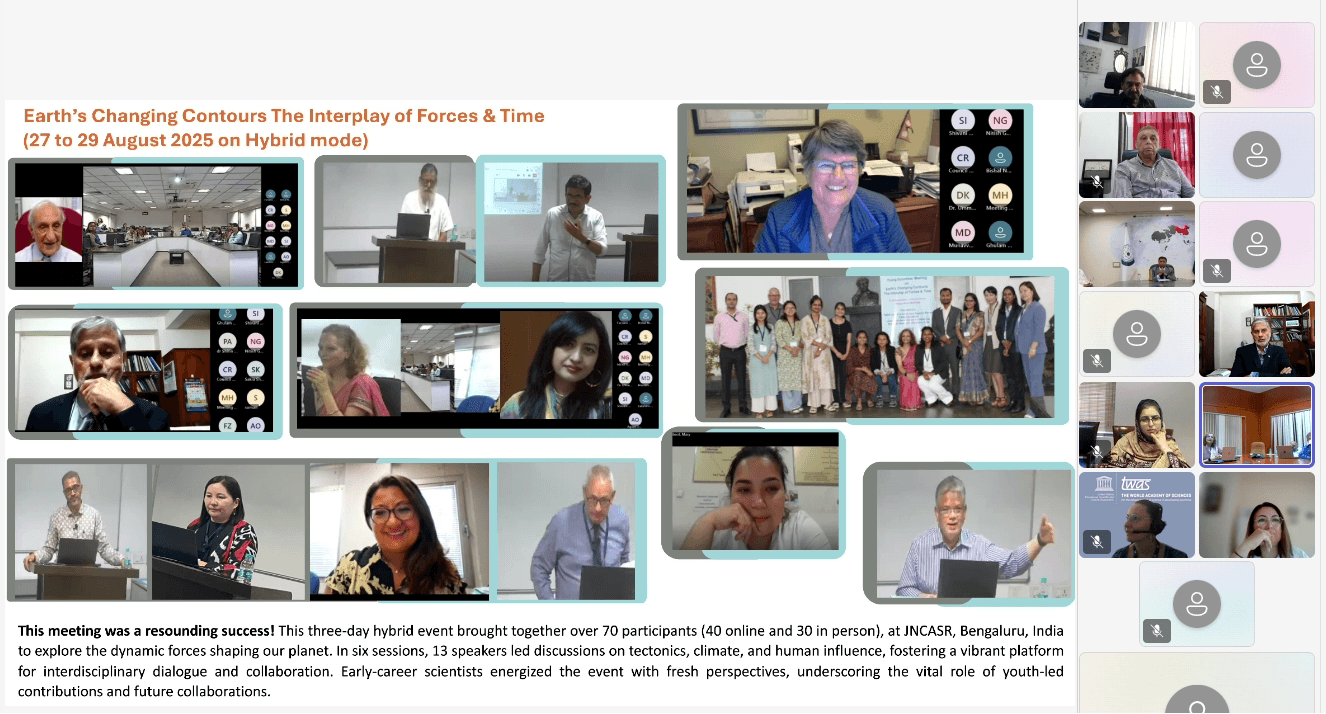
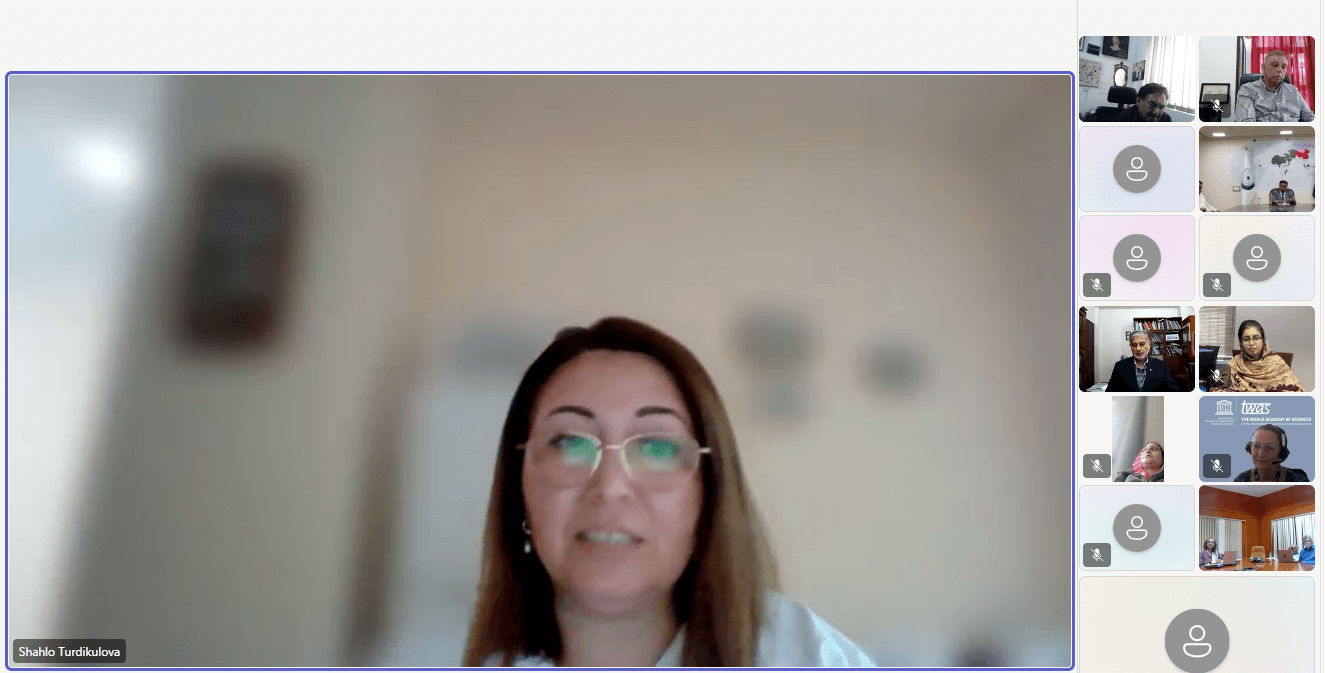
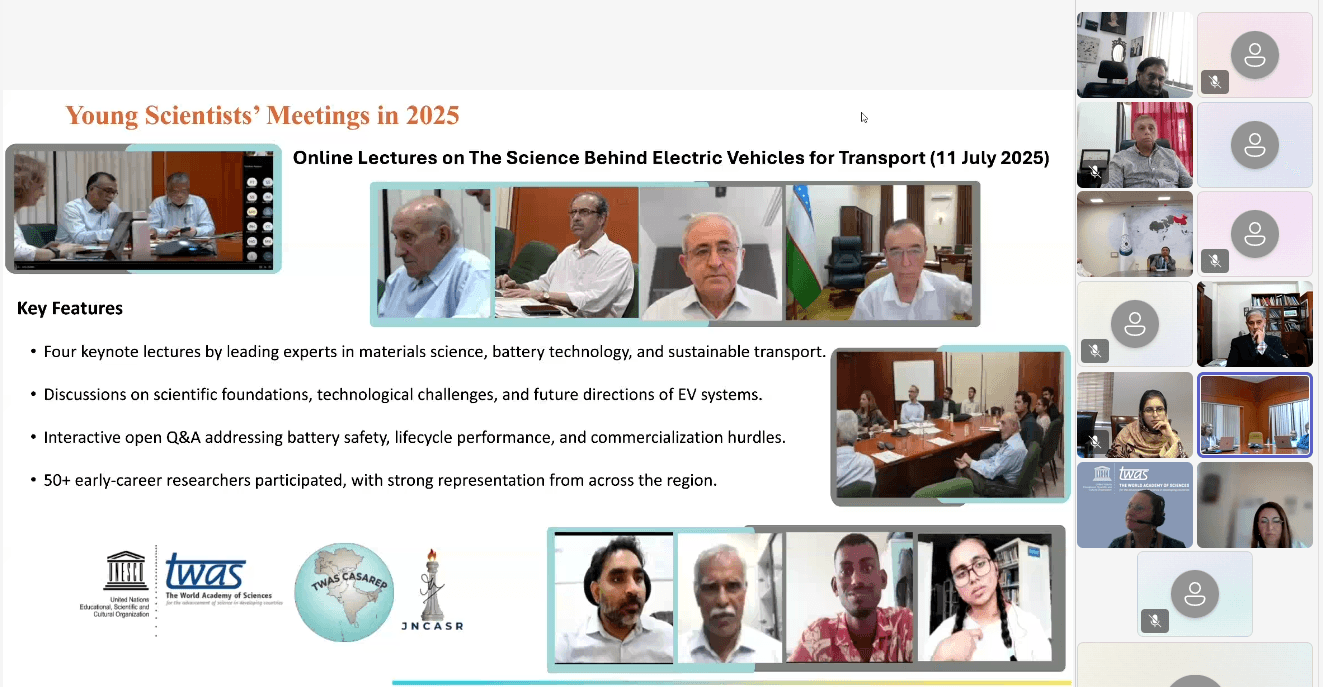
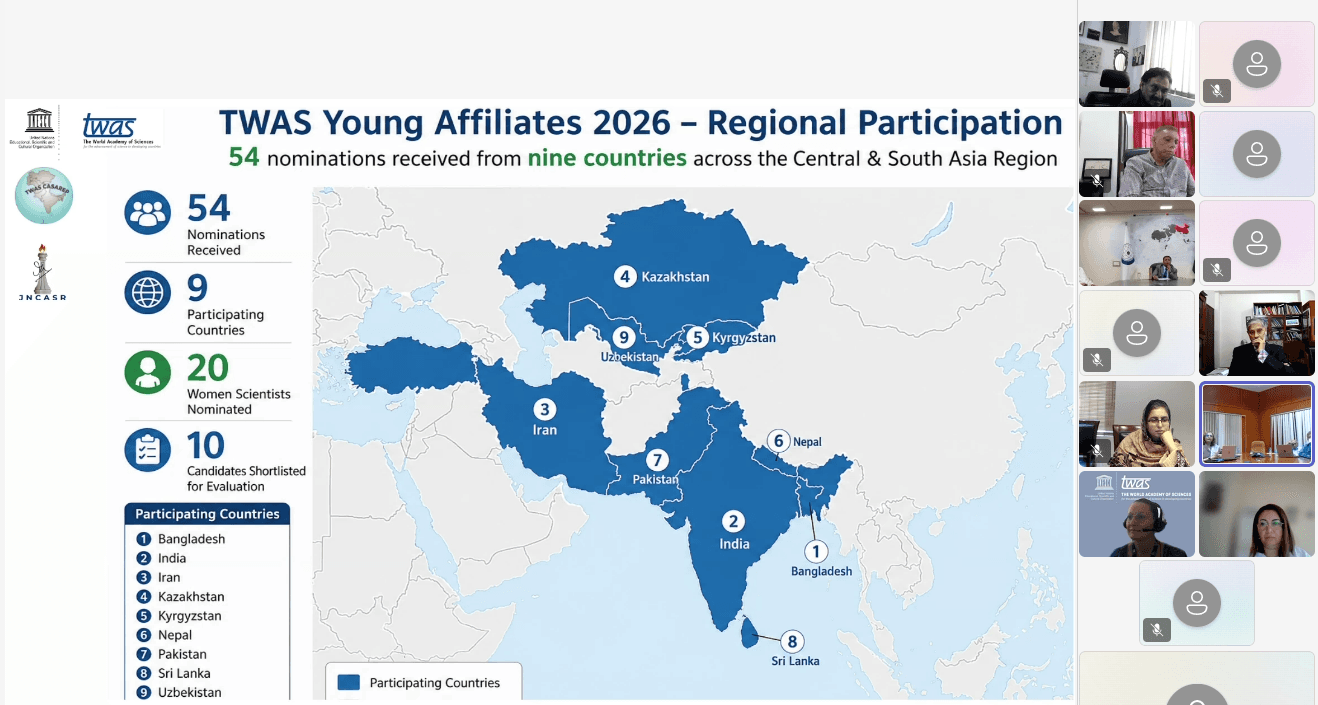
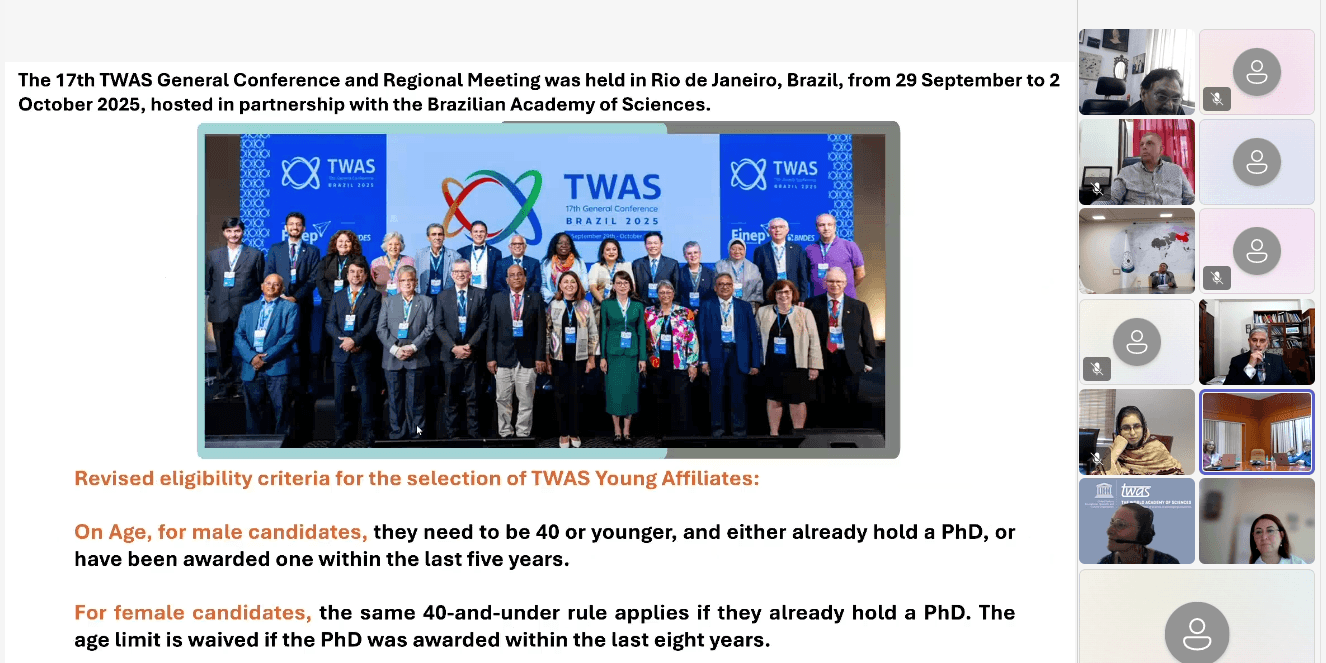
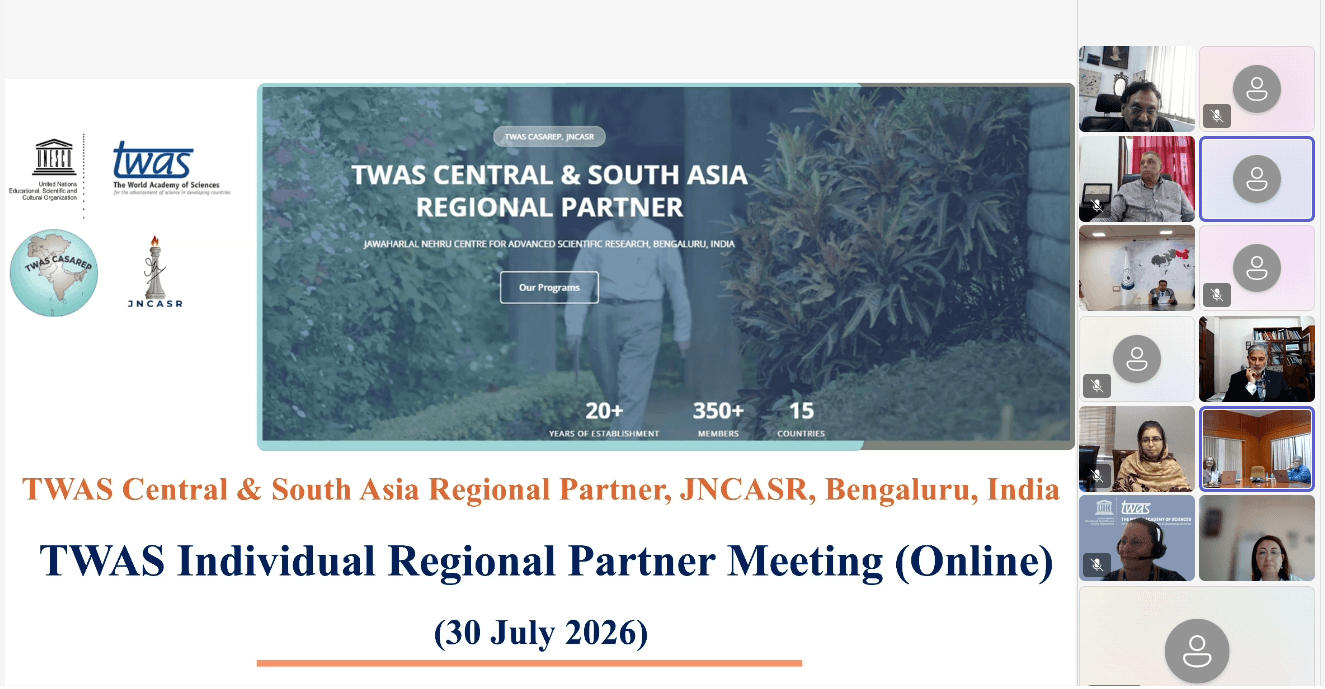
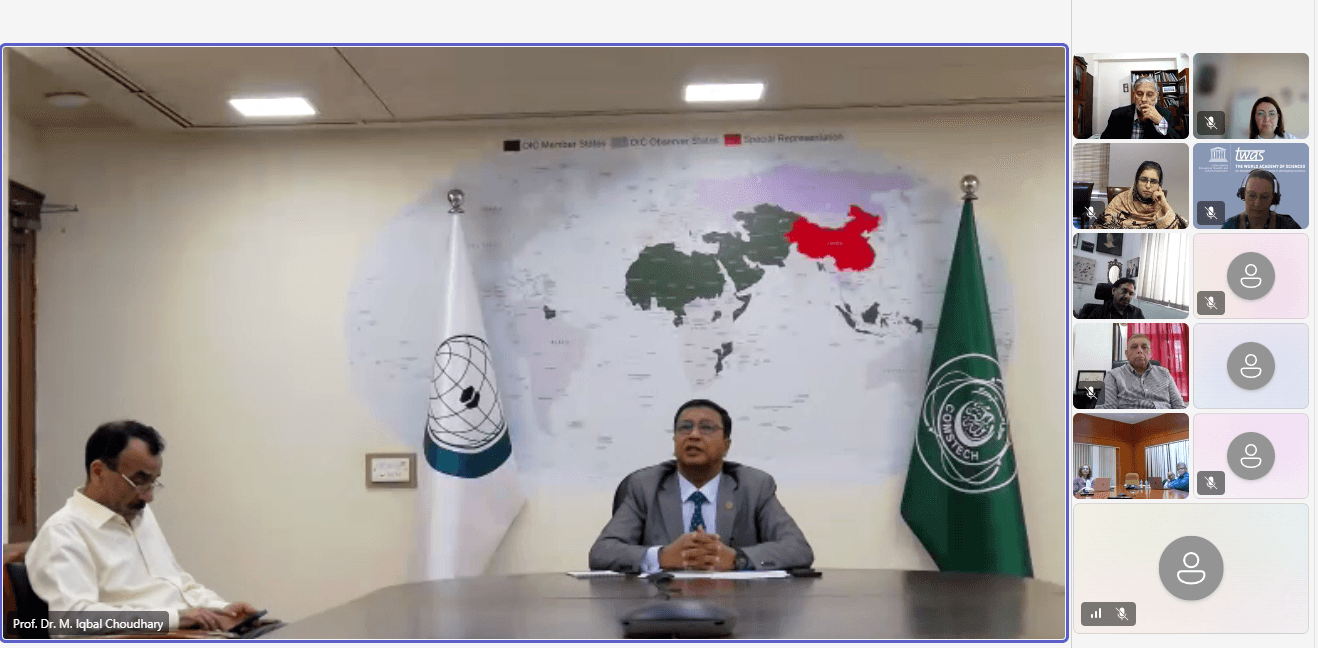
With the active support of the Academy of Sciences of the Republic of Uzbekistan, the Regional Online Conference of TWAS members from Central and South Asia was held. The event was organized by the TWAS Central and South Asia Regional Partner Centre (TWAS CASAREP).
The conference brought together leading scientists, TWAS Fellows, and representatives of national academies of sciences from across the region to discuss priorities for scientific cooperation, the implementation of new joint initiatives, and the TWAS CASAREP Programme of Activities for 2026–2027.
Opening the conference, Professor G. U. Kulkarni, Coordinator of TWAS CASAREP, and Professor M. Iqbal Choudhary, TWAS Vice President for Central and South Asia, emphasized the importance of further consolidating the region’s scientific potential, expanding international scientific cooperation, supporting young scientists, and promoting academic mobility.
Representing the Academy of Sciences of the Republic of Uzbekistan, Vice President of the Academy, Professor Shakhlo Turdikulova, delivered a presentation outlining the ongoing reforms in Uzbekistan’s science sector, the achievements in international scientific cooperation, and prospects for further collaboration with TWAS. In her remarks, she reaffirmed the Academy’s readiness to expand regional partnerships and implement new joint scientific initiatives.
During the meeting, participants reviewed the activities of TWAS CASAREP for 2025–2026, considered the outcomes of the TWAS regional meeting held in Rio de Janeiro, and discussed proposals for launching the Mentor–Mentee Programme, organizing scientific conferences and educational events, and expanding collaborative research projects.
Participants expressed their support for initiatives aimed at strengthening cooperation among the countries of Central and South Asia, developing regional scientific networks, expanding academic mobility, and increasing the participation of young researchers in TWAS programmes. During the discussions, they also highly commended the scientific reforms being implemented in Uzbekistan and recognized the country's growing role as one of the key regional hubs for scientific cooperation.
At the conclusion of the conference, participants reaffirmed their shared commitment to further expanding TWAS activities across the region. Particular recognition was given to the significant contribution of the Academy of Sciences of the Republic of Uzbekistan to the organization of the conference, the advancement of cooperation with TWAS, and the promotion of joint initiatives aimed at strengthening the scientific capacity of Central and South Asia.
For reference: The World Academy of Sciences (TWAS) is an international scientific organization founded in 1983 that brings together leading scientists from developing and emerging economies and operates under the auspices of UNESCO. TWAS comprises more than 1,400 elected Fellows from over 100 countries and plays a key role in promoting science as a driver of sustainable socio-economic development in developing nations.